Smoke Damage and Partial Loss: How to Navigate Cleanup, Replacement, and Protection
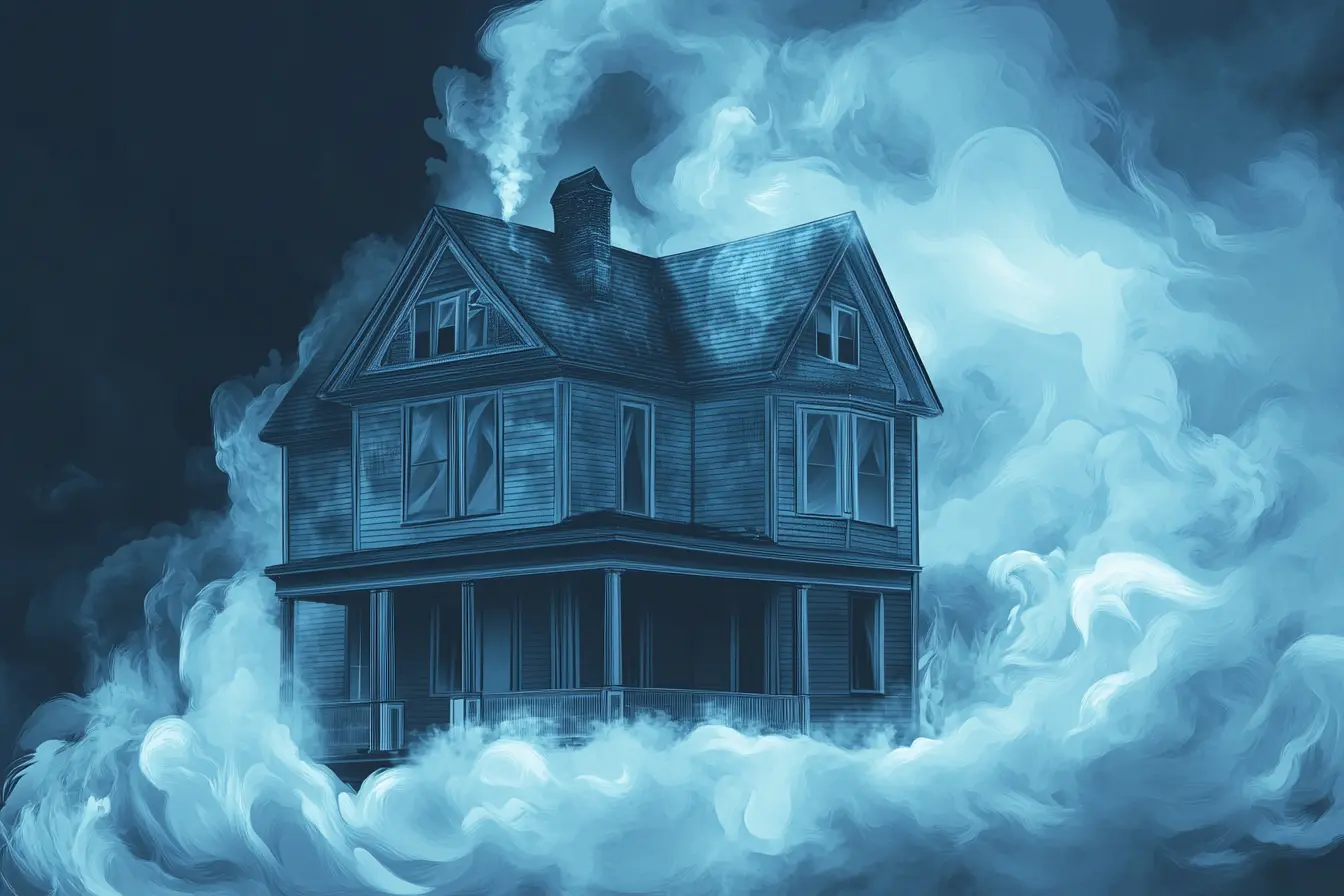
Even if your home wasn’t completely destroyed in a disaster, smoke damage and partial loss can leave your property severely compromised. Smoke from wildfires or structure fires infiltrates every surface, contaminates the air, and can render a home unlivable—even when it looks structurally intact. For homeowners, navigating the cleanup process and working with insurance can be complicated, especially when the damage isn't immediately visible.
This article offers a brief, actionable guide for how to handle smoke damage and partial loss—what can be cleaned, what must be replaced, and how to protect your property in the days and weeks after the event.
Understanding the Effects of Smoke Damage
Smoke particles contain a mix of Ash, carbon, and toxic compounds that cling to every surface they contact. The damage can be invisible to the eye but devastating to the home’s interior and contents, especially soft goods, electronics, and Insulation. Even if flames never touched your house, smoke and ash intrusion can create hazardous living conditions and cause long-term deterioration.
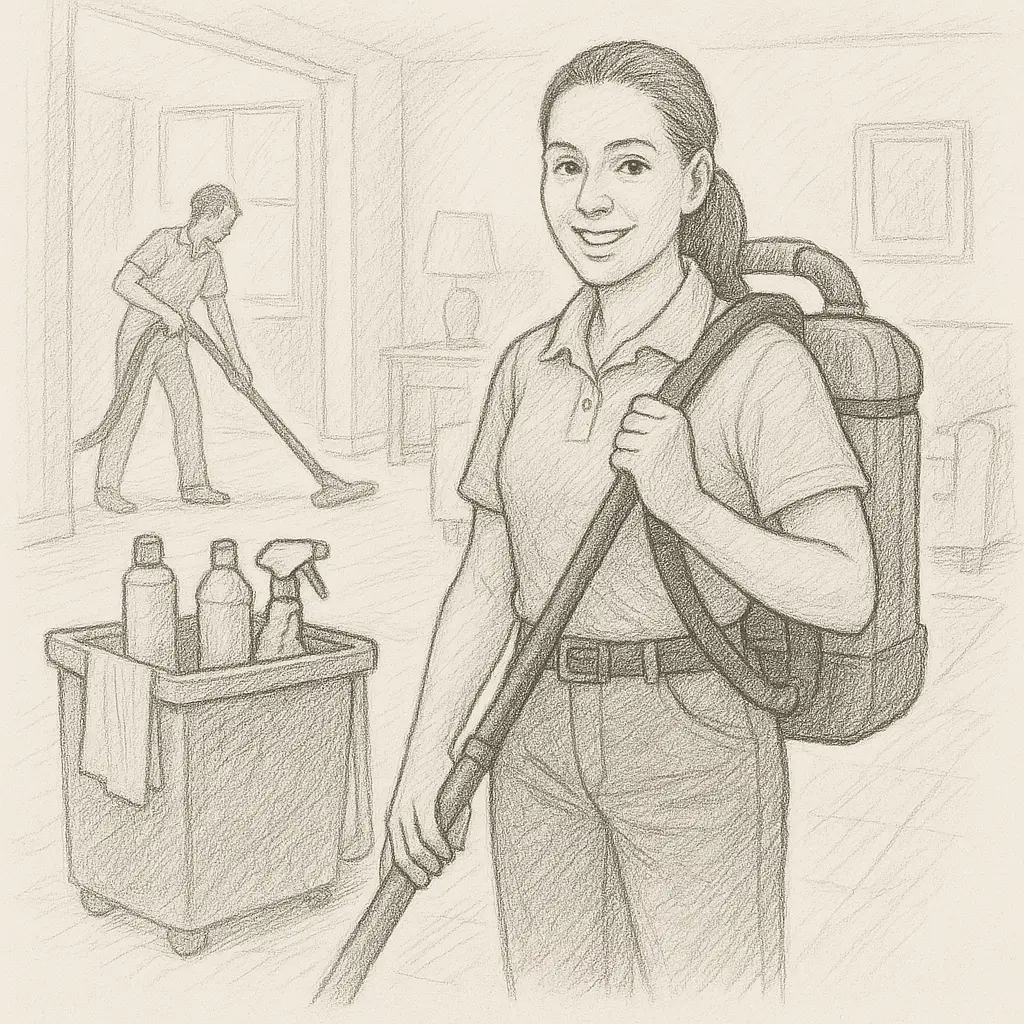
Professional Cleaning Services: Not Your Average Janitors
First and foremost: do not try to clean smoke damage yourself. Janitorial services are not equipped for post-disaster Remediation, and improper cleaning can void insurance coverage or destroy recoverable items.
Certified disaster restoration companies use specialized equipment to clean smoke damage. However, even they have limitations—they clean, not replace, and they may not tell you when something is beyond salvaging. That’s why it’s critical to understand which items can and should be replaced.
What Can’t Be Cleaned and Needs to Be Replaced
1. Soft Goods and Linens
If there’s ash on your bed, we wouldn’t consider that bed safe for continued use—even if it’s professionally cleaned. Soft goods like bedding, towels, clothing, upholstered furniture, and Curtains absorb odor and particulate matter deeply.
Many of these items will need to be replaced, not just cleaned.
If cleaned, they may never fully lose the smoke odor or residue.
Document everything before disposal (more on that below).
2. Insulation
Smoke and ash often enter homes through attic vents and HVAC systems, settling into insulation.
Attic and wall insulation is not cleanable.
Any insulation exposed to smoke or ash will need to be removed and replaced.
This should be handled by professionals—not a DIY project.
3. Electronics and Appliances
Ash contains carbon, and carbon is a conductor—meaning even invisible ash particles can compromise wiring, circuitry, and internal components.
Computers, TVs, appliances, HVAC systems, and smart home devices may have reduced life expectancy.
The risk of short-circuiting or internal corrosion is high.
At minimum:
Back up your data immediately.
Have electronics inspected and cleaned by a certified technician.
Prepare to replace compromised electronics, even if they appear to work initially.
Documentation: Take Pictures Before You Touch Anything
Before cleaning, removing, or disposing of any item:
Photograph every room from multiple angles.
Take close-up photos of visibly damaged or ash-covered items.
Document the interior of drawers, closets, and cabinets.
Capture model numbers and serial numbers of electronics and appliances.
This isn’t just for insurance—it’s also for security and future reference. In a disaster zone, looting is a real threat, and you’ll want records of what was inside your home in case of theft or dispute.
Protecting Your Property: Looting and Long-Term Access Issues
Even if your home is still standing, you may not be allowed back for weeks or months if the area is part of a FEMA-declared disaster zone. Meanwhile, your belongings are vulnerable.
Steps to Protect Your Home and Property:
Lock your house and board up windows/doors if necessary.
Install cameras if you have power and internet, or use battery/solar-powered systems.
Remove high-value items like jewelry, original artwork, collectible items, and important documents as soon as it’s safe.
Cover furniture and electronics with plastic sheeting to prevent further ash accumulation or moisture damage.
Secure outbuildings, garages, and sheds, which are often easy targets for looters.
If professional cleanup hasn’t started yet and you can safely re-enter, consider removing and storing salvageable Personal Property at an offsite location or storage facility.
Reentry and Recovery Takes Time—Plan Accordingly
Returning to a smoke-damaged home isn’t a matter of days. Recovery from a major fire disaster can take months or years, and the demand for contractors, cleaning crews, and materials often creates long delays. Don’t rush to clean or discard—make a plan, document everything, and protect what you can.
Wrap-Up
Smoke damage and partial loss are just as emotionally and financially devastating as total loss—but they come with more complicated decisions. Advocate for yourself, work with experienced professionals, and use your community for support. With careful planning, thorough documentation, and the right team, you’ll be in the best position to recover fully and protect your home’s value.
By taking strategic action now, you can protect your health, your finances, and your future as you recover from smoke damage and partial loss.