A Homeowner’s Guide to Home Restoration and Commercial Cleaning Companies

After property damage—whether from fire, flood, storm, or mold—restoration and cleaning companies are often among the first professionals on-site. Their job is to stabilize your home, clean and dry affected areas, and prepare the property for reconstruction. But while many companies are professional and experienced, homeowners should be aware of potential pitfalls.
This guide explains how these companies work, what to expect, and what to watch out for.
What Are Home Restoration Companies?
Restoration companies specialize in emergency response, mitigation, and cleanup following property damage. They address immediate threats—like standing water, smoke residue, or mold—and prevent further deterioration.
Typical services include:
Water extraction and structural drying
Fire and smoke damage cleanup
Mold Remediation
Temporary board-up and roof tarping
Debris Removal and structural Sanitization
Contents cleaning and storage
What Are Commercial Cleaning Companies?
These companies perform Deep Cleaning and Sanitation, especially for post-disaster environments. They’re frequently used alongside or after restoration teams.
Common services:
Post-Construction Cleaning
Odor removal
HVAC and duct cleaning
Deep surface cleaning
Biohazard or hoarding cleanup
Move-out or tenant turnover cleaning
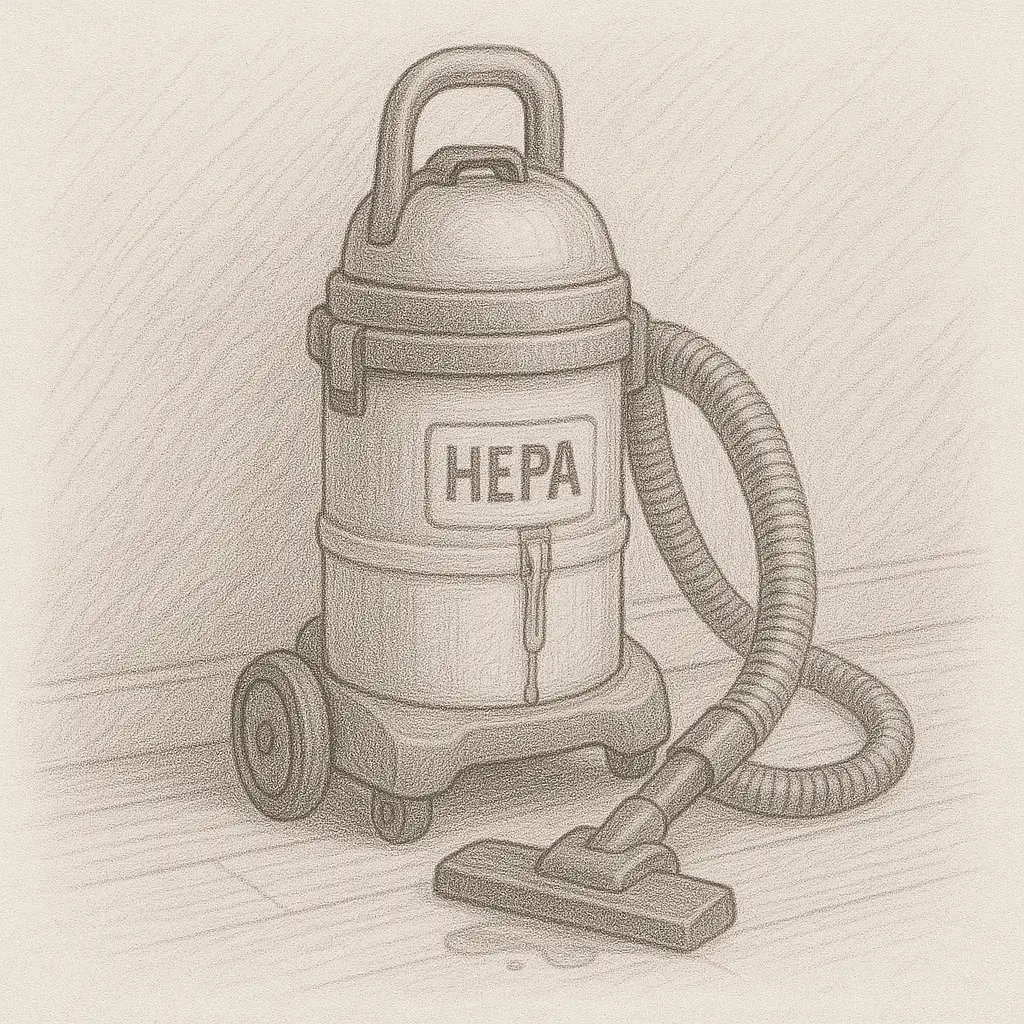
Equipment You Might See On-Site
Air movers & dehumidifiers – Dry walls, floors, and structural Framing
HEPA vacuums & air scrubbers – Remove mold spores and fine particles
Moisture meters – Monitor drying progress
Ozone machines or hydroxyl generators – Break down odor molecules
Foggers & antimicrobial sprayers – Disinfect and deodorize spaces
What to Expect from the Process
Emergency Response – Companies often arrive within hours of a call
Assessment – The team evaluates moisture levels, contamination, and safety hazards
Mitigation & Cleaning – Damaged materials are removed; drying and sanitation begin
Contents Handling – Personal Property may be packed out, cleaned, or disposed of
Turnover for Rebuild – Once dried and cleaned, the space is handed off to a Contractor
Important Cautions When Working With Restoration Vendors
While many restoration vendors are qualified professionals, it’s critical to understand their incentives, limitations, and your rights.
1. They Are Paid to Clean—Not to Replace
Restoration companies are typically paid by the insurance company to clean and salvage items, not to replace them. This can lead to:
Over-cleaning damaged soft goods, electronics, or porous materials that are not realistically salvageable
Attempting to "restore" items that should be claimed as total loss
Leaving you with items that are technically clean but no longer functional, usable, or safe
Tip: You have the right to push back on cleaning vs. replacement decisions—especially for mattresses, pillows, baby items, electronics, and HVAC components.
2. Beware of Inflated Invoices
Some vendors inflate line items or add unnecessary charges—especially when billing through insurance. Examples include:
Charging for multiple daily “monitoring visits” that weren’t completed
Billing for more equipment than was used
Padding time and materials on contents cleaning or storage
Always ask for:
A clear breakdown of line items
Dry logs or moisture reports
Photos of work performed
Receipts for contents storage and cleaning
3. Watch Out for Fraud or Kickbacks
Some carriers may recommend “preferred vendors” who are incentivized to keep costs low—even if it compromises quality. In contrast, some restoration companies may overbill, knowing the insurer will push back but still approve partial payment.
Also beware of:
Contractors who try to perform both mitigation and reconstruction without proper separation or permits
Claims of licensing that don’t match state requirements
Incomplete documentation, vague invoices, or missing signatures
4. You Have the Right to Choose
Your insurance company may suggest a Vendor, but you are never required to use them. You're entitled to hire your own restoration and cleaning professionals and to get second opinions if you're unsure about the work or pricing.
Examples
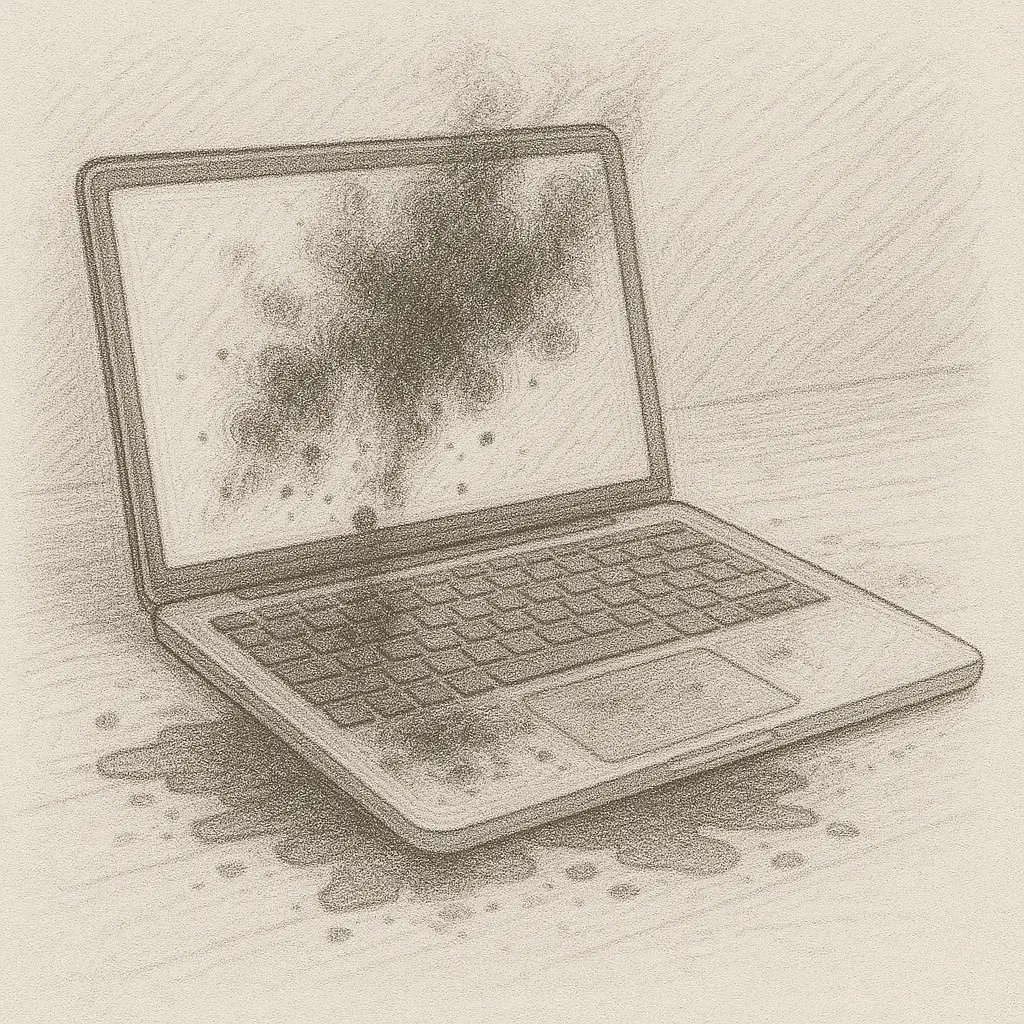
Example 1: Over-cleaned Electronics After Smoke Damage
A family’s home suffered smoke damage after a small kitchen fire. The restoration company tried to clean televisions, laptops, and gaming consoles—despite visible internal soot. Months later, several devices failed. After documenting the issue, the homeowners were able to reopen the Claim and recover full replacement cost.
Example 2: Inflated Water Damage Invoice
A homeowner was billed for eight days of drying equipment use, but data logs and entry photos showed the equipment was only present for four. The carrier requested documentation from the vendor, adjusted the invoice, and reallocated funds for rebuild work instead.
How These Services Fit into Your Insurance Claim
Restoration invoices are usually submitted as part of your “building” claim under the Dwelling section of your Policy.
Cleaning and contents pack-out/cleaning may fall under Contents or Additional Living Expenses (ALE).
A Public Adjuster can help you review vendor invoices and ensure the charges are valid, necessary, and in line with your Policy Limits.
Further Resources
Wrap-Up
Restoration and cleaning companies provide essential services during the most chaotic phase of recovery—but like any professional service, there are good and bad actors. Understanding how they operate, how they’re paid, and what your rights are will help you avoid costly missteps.
Get everything in writing, ask for documentation, and don’t be afraid to question unnecessary cleaning, inflated charges, or rushed hand-offs. If you’re working with a public adjuster or recovery specialist, they can help ensure your claim—and your home—is handled properly from start to finish.