Thinking Through An Inventory List: A Quick Primer for Homeowners

Creating an inventory list for insurance purposes might feel overwhelming, especially after experiencing a loss. But documenting your belongings thoroughly can significantly simplify and speed up your recovery process. Below is a straightforward, practical guide to help you quickly capture the essentials and ensure you don’t miss critical items. (For an in-depth look at creating a comprehensive inventory, our Rallyback book on Personal Property offers detailed guidance and ideas.)
Step-by-Step: Inventory Your Home Room by Room
The easiest way to get started is to approach your inventory methodically. Walk through your home room by room and document major items first. We have an entire book dedicated to this area inside the Recovery series, but a quick summary just to get you thinking is here.
1. Room by Room: Big Stuff First
Start by listing large, high-value, or significant items such as furniture, televisions, rugs, and appliances.
Take clear pictures: Include multiple angles and show brand names or model numbers if possible.
Personal significance: Do you have photos from holidays, birthdays, or your child’s first steps that feature the furniture or Décor clearly? These personal photos are surprisingly helpful as visual evidence of ownership and condition.
Gather receipts: Keep copies of receipts, credit card statements, or purchase confirmations for valuable or recently purchased items.

2. Exterior Furniture and Outdoor Items
Don’t overlook outdoor areas—gardens, patios, decks, or yards often contain items of significant value.
Document patio furniture, grills, outdoor heaters, or fire pits.
Capture gardening and landscaping items (pots, planters, gardening tools, hoses).
Note playground or outdoor toys—trampolines, play structures, swings, bikes, scooters.
Again, pictures are invaluable. Capture your outdoor space clearly, noting individual items.
.webp)
3. Hobbies and Crafts
If your family enjoys hobbies or crafts, these items can represent substantial investment.
Common categories include:
Arts and Crafts: Sewing machines, paints, canvases, easels, craft tools, and materials.
Cooking: Specialty appliances (stand mixers, espresso machines), cookware sets, high-quality knives, specialty bakeware.
Science or tech hobbies: Telescopes, microscopes, cameras, drones, electronics kits, 3D printers.
Document any resulting projects or creations, too. Pictures of completed projects can help prove value, ownership, and your skill level.
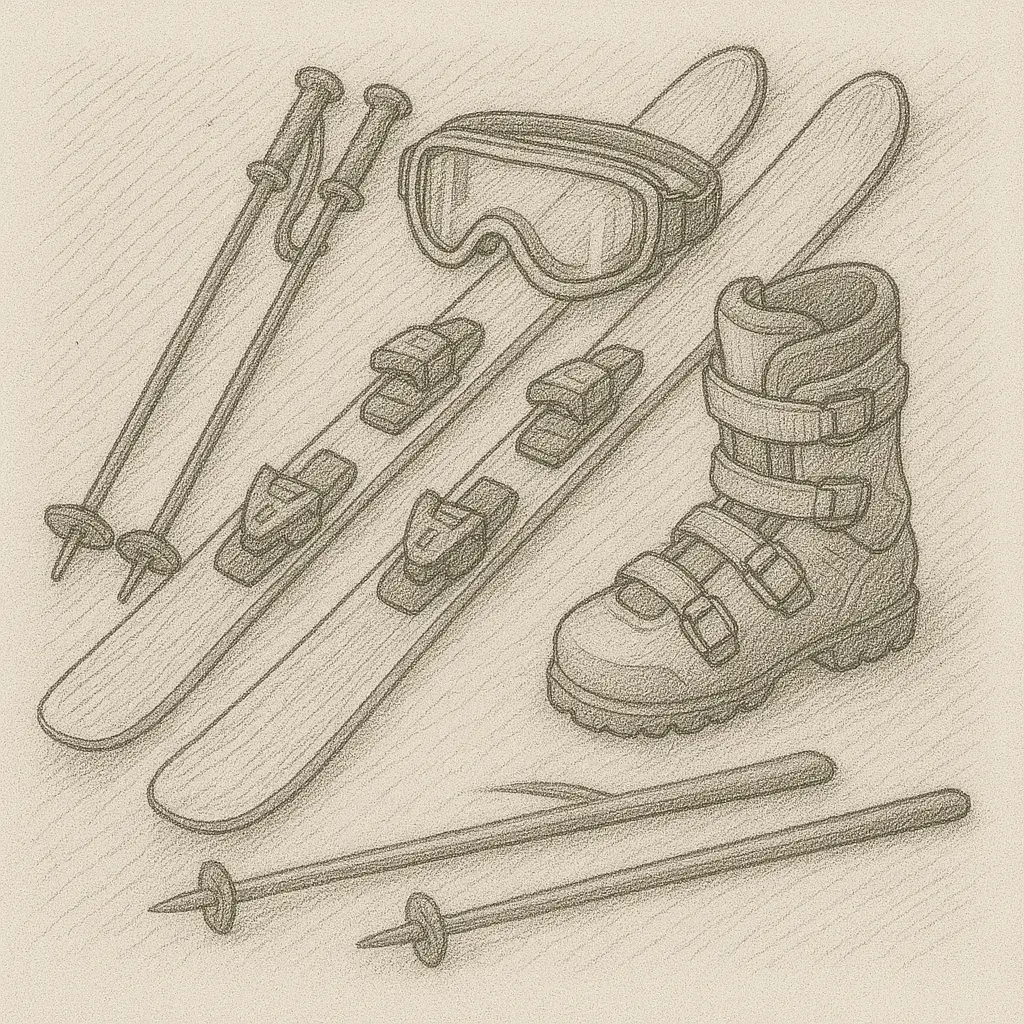
4. Sporting Goods
Sporting gear can often be overlooked but can quickly add up to significant value.
Include items like:
Skis and snowboards, surfboards, wakeboards, paddleboards.
Bicycles, helmets, cycling gear.
Camping equipment (tents, sleeping bags, backpacks, stoves).
Golf clubs, tennis rackets, baseball equipment, fishing rods and tackle.
If you have pictures from family vacations—ski trips, beach visits, or camping—they can also help document your sporting gear.
5. Special Collections: Art, Antiques, and More
Collections and special items—such as art, antiques, rare books, or vintage collectibles—often do not depreciate like everyday household items. Insurance companies frequently apply 0% Depreciation for these items, so it’s crucial to document their full value.
Take clear pictures and note distinguishing details.
If available, include original purchase receipts, appraisals, or certificates of authenticity.
For items without documentation, consider finding comparable values on reputable auction or marketplace sites like eBay, Sotheby’s, or Christie’s to support valuation.
Remember: Accurate appraisals and documentation are critical for collections.
Final Tips to Remember
Start simple and work systematically. It's easy to become overwhelmed, so start big, then drill down.
Save multiple copies of your inventory list in secure places (Cloud Storage, email, external drives).
Review and update regularly, especially after significant purchases or life events.
Use personal photos to reinforce your inventory list’s accuracy and completeness.
Loti can help:
Loti’s suite of products helps homeowners automatically create, organize and manage their home inventories.
For Additional Support and Guidance
For detailed instructions, templates, and more inventory ideas, see our Rallyback Personal Property book.
Online tools and apps (like those available through Loti) can simplify the process further.
Creating your inventory might feel daunting, but taking the time now can significantly smooth your recovery process if disaster strikes.