A Homeowner’s Guide to Photographing Your Property
.png)
Insurance is there to protect you when the unexpected happens—but being prepared ahead of time can make all the difference. Taking clear, comprehensive photos of your home and belongings before a disaster strikes helps verify ownership, condition, and value, making your insurance Claim smoother and more successful.
This step-by-step guide shows you how to document your property proactively, with tips, examples, and best practices to build a strong visual record for your Policy.
Step 1: Photograph the Outside of Your Home
Start with wide shots of your home’s exterior. These images help show the structure’s condition and layout.
Examples:
A front-facing shot showing the home, garage, and Driveway
A photo of each side of the home, including fences or landscaping
Images showing your roof, Siding, windows, and any outdoor fixtures
Walk around the perimeter of your house, capturing photos from all angles. Include detached structures like sheds or pool houses.
Step 2: Take Wide Shots Inside Each Room
Document every room with wide-angle photos to show layout, furnishings, and the general condition of your home.
Examples:
A photo from the doorway of your kitchen, showing counters, cabinets, and appliances
A bedroom photographed from multiple corners to capture all walls, windows, and furniture
A view of your basement, including any storage or installed systems (HVAC, water heater)
Try to include the Ceiling and flooring in each shot. Natural light is ideal, but use a flash if needed to reduce shadows.
Step 3: Photograph Belongings and Valuables Up Close
Now take close-up photos of major belongings and high-value items. This helps prove ownership and condition.
Examples:
Electronics like TVs, laptops, gaming consoles
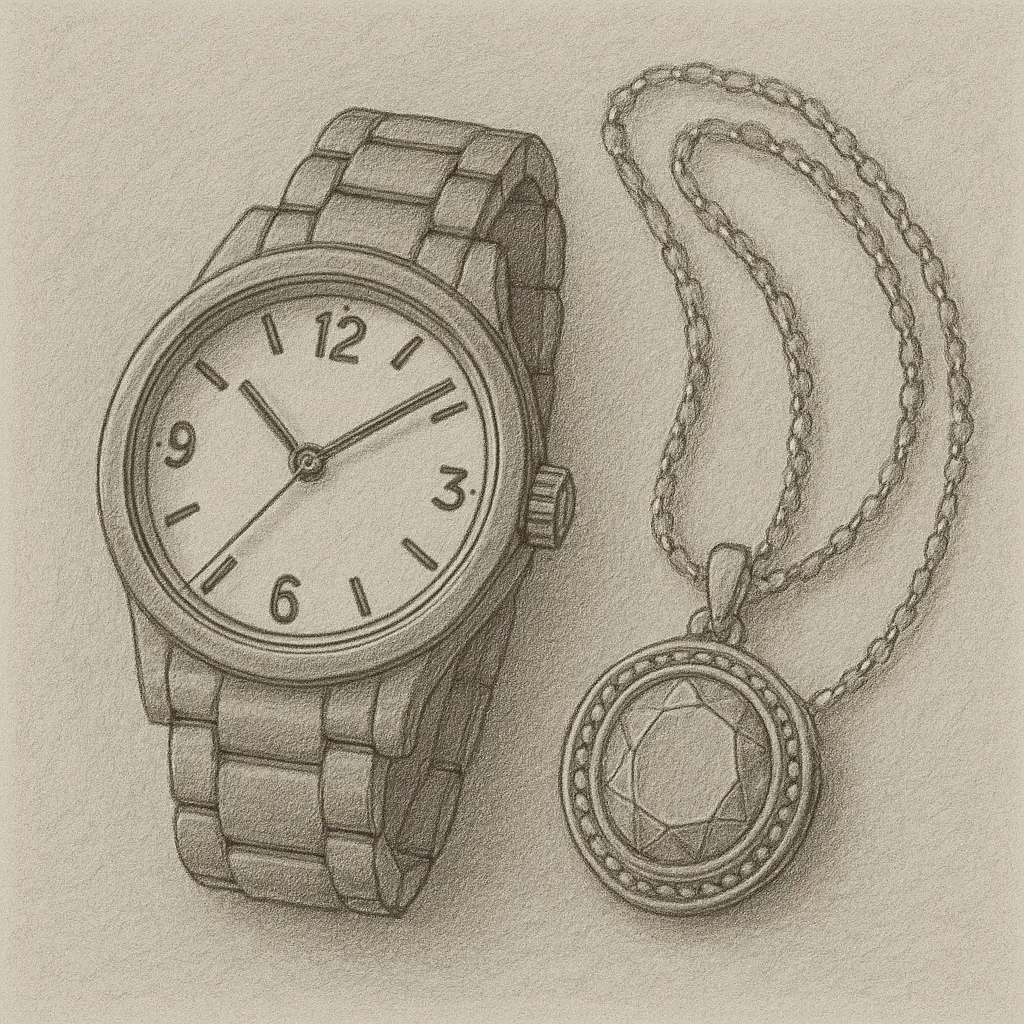
Jewelry, watches, art, and collectibles
Furniture, musical instruments, and specialty gear (e.g., tools or fitness equipment)
Photograph serial numbers, labels, or engravings whenever possible. If you have receipts or appraisals, include a photo of those too.
Step 4: Open Cabinets, Closets, and Drawers
Don’t forget hidden items. Open storage spaces and take photos of contents, especially in:
Kitchen cabinets and Pantry shelves
Bedroom closets and dresser drawers
Bathroom vanities and hallway storage
Garage shelving, attic boxes, and Holiday decorations
You don’t need to photograph every single object—just enough to show the general contents and any key valuables.
Step 5: Include Proof of Ownership and Dates
For added credibility, include time-stamped proof in your documentation.
Tips:
Most smartphones embed date/time metadata automatically
For extra verification, include a dated item (e.g., a current utility bill) in a few photos
Narrate a video walkthrough with the date and descriptions of what you’re filming
This helps prove that your photos were taken before any loss or claim.
Step 6: Organize and Store Photos Safely
Upload photos to Loti for future protection—they’ll be securely stored and automatically organized by room or area in your Property tab. It’s an easy way to document your home before anything happens, giving you peace of mind down the road.
Step 7: Update Photos Regularly
Make it a habit to re-photograph your home:
After major renovations or upgrades
When you make large purchases
At least once per year
A current record ensures your coverage keeps up with your home’s true value.
Wrap-Up
Taking pre-loss photos isn’t just a good idea—it’s one of the smartest, simplest ways to protect your home financially. In the event of a claim, your images provide undeniable proof of what you owned and what it was worth.
With proper documentation, you’re not just relying on memory—you’re giving yourself the strongest chance at a fast, fair payout. And if you need help organizing your home inventory or understanding your insurance coverage, Loti’s licensed team is here to help.
Peace of mind starts before the storm. Start documenting today.