A Homeowner’s Guide to Documenting Your Property Before a Loss
.webp)
The best time to prepare for an insurance Claim is before anything goes wrong. Creating a visual and written record of your home and belongings can make a major difference if you ever experience damage, loss, or theft.
This step-by-step guide walks you through how to take pre-incident documentation, including photos, inventory, and records that can protect your claim and ensure you receive fair reimbursement.
Step 1: Photograph the Entire Property
Start by taking wide, well-lit photos of the entire home and property. This creates a visual record of its condition before any damage occurs.
Exterior Photos:
Each side of the house
Roof, gutters, windows, and doors
Driveway, garage, fences, and landscaping
Detached structures like sheds or pool houses
Interior Photos:
Each room from multiple angles
Floors, walls, ceilings, and built-in features
Appliances, fixtures, and furniture
Tip: Use natural light when possible and avoid clutter for clear visibility.

Step 2: Photograph Individual Belongings
Focus on photographing high-value and essential items.
Examples:
Electronics (TVs, computers, tablets)
Jewelry, watches, and collectibles
Musical instruments and sports equipment
Designer bags, clothing, or furniture
Art, heirlooms, and antiques
What to Include:
A close-up showing the item clearly
A photo of any brand name, serial number, or label
If possible, include receipts, appraisals, or warranty cards in the frame

Step 3: Open Drawers, Cabinets, and Closets
Don’t forget the less visible parts of your home.
Examples:
Kitchen cabinets showing dishes, cookware, or Pantry goods
Bathroom drawers with toiletries and small electronics
Closets with clothing, shoes, and seasonal items
Garage or attic storage bins
You don’t need to document every item—just show the overall contents.
Step 4: Create a Written Home Inventory
A written or digital inventory adds detail that photos can’t always capture.
Include:
Item name and description
Estimated purchase date and value
Make, model, or serial number if available
Attach receipts or proof of purchase when possible
Use a spreadsheet, inventory app, or Loti’s platform to organize and store this information securely.
Step 5: Include Time and Date Stamps
Proving when your documentation was created is key to its value in a claim.
Tips:
Most smartphones automatically timestamp photos and videos
Take a photo of a dated document (like a newspaper or utility bill) in each room
Record a short video walkthrough with a verbal timestamp (“This is the living room on June 1st, 2025.”)
Step 6: Organize and Store Documentation Securely
Having documentation is only helpful if you can access it after an emergency.
Suggested storage methods:
Upload photos and files to a cloud service (e.g., Google Drive, Dropbox)
Use Loti’s platform to store by room or item category
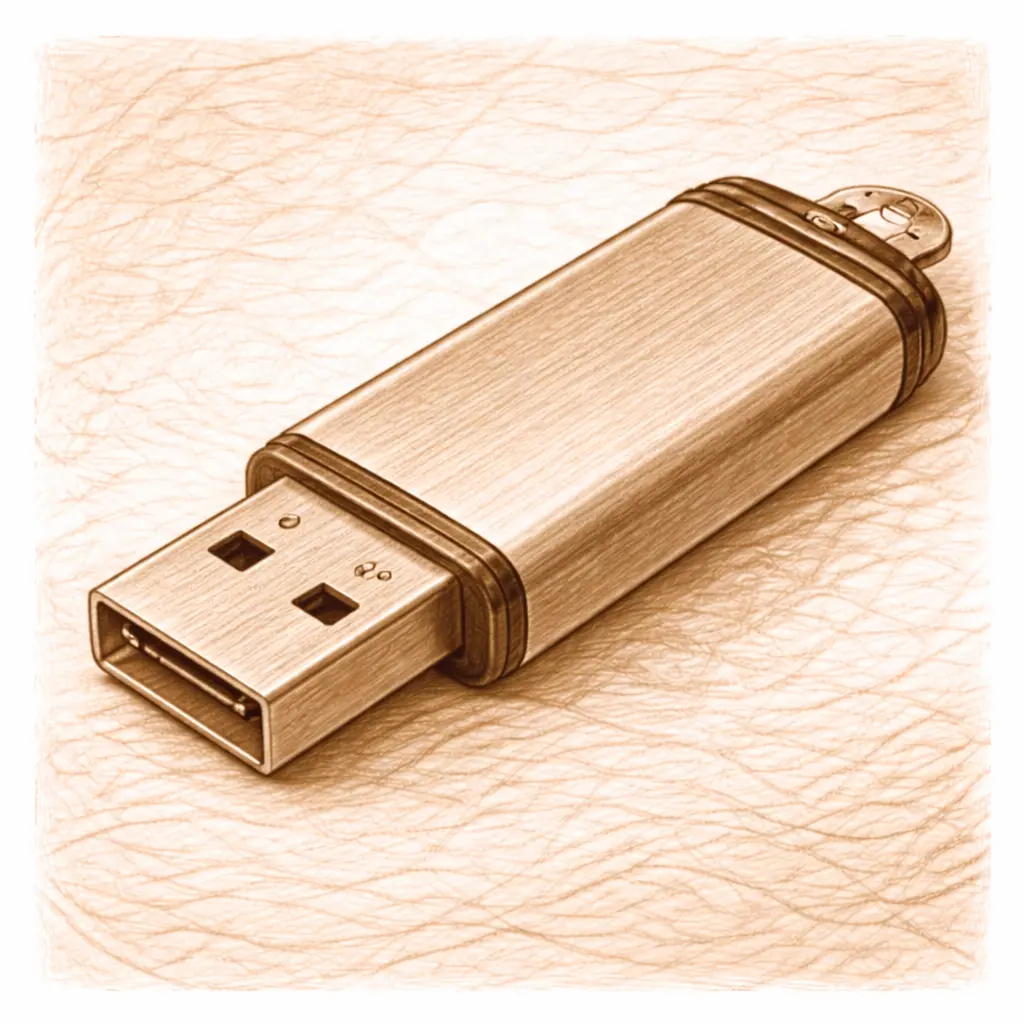
Save a backup to an external hard drive or encrypted USB
Consider printing a copy of your inventory and storing it offsite
Rename your files clearly:LivingRoom_WideShot_May2025.jpg is better than IMG_2478.jpg
Step 7: Update Regularly and After Major Changes
Your home and belongings change over time. Keep your documentation current by:
Updating photos and inventory once a year
Re-documenting after a renovation or remodel
Adding new high-value purchases (e.g., electronics, jewelry, appliances)
Set a reminder each spring or fall to walk through your home with your phone—it only takes 30 minutes.
Wrap-Up
Pre-incident documentation is one of the most powerful tools a homeowner has. It saves time, prevents underpayment, and strengthens your insurance claim if disaster strikes.
With Loti, you can store your home records securely, link them to photos and receipts, and be ready when it matters most. If you ever need help building your inventory or managing your documents, our team is here to assist.
Peace of mind starts before the loss—start documenting today.