A Homeowner’s Guide to Gathering Blueprints, Building Plans, and Permits
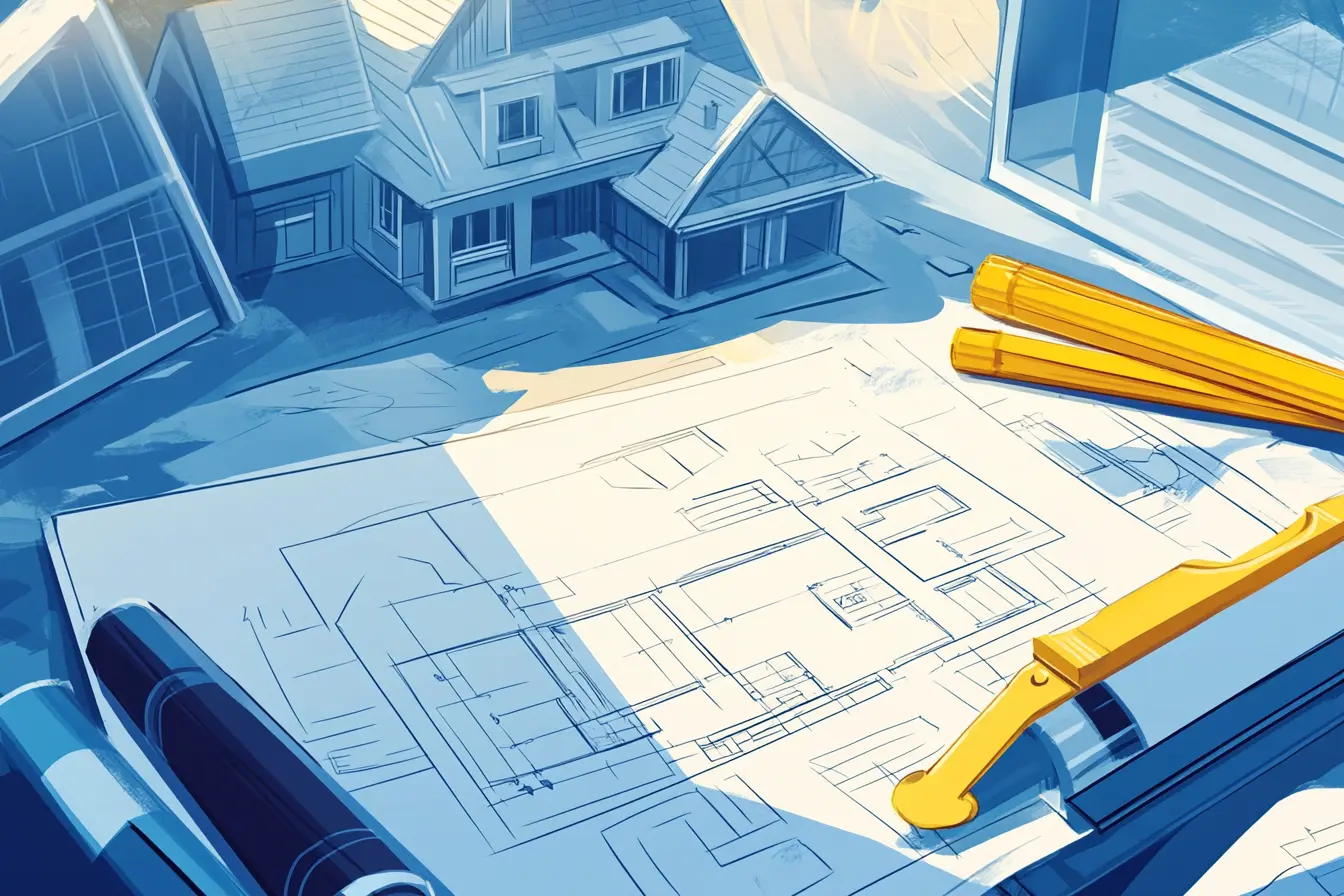
When disaster strikes—whether it’s a fire, Earthquake, storm, or structural collapse—having your original blueprints, building plans, and permits on file can make the recovery process faster, easier, and more accurate. These documents provide critical proof of what was built, where, and how, supporting your insurance Claim and helping contractors rebuild to original specs.
This step-by-step guide explains how to collect, organize, and store your home’s construction documents before anything goes wrong.
Step 1: Gather Your Original Blueprints and Building Plans
Blueprints and architectural drawings provide a detailed record of your home’s layout, design, and structure.
Look for:
Architectural drawings – floor plans, elevations, framing layouts
Site plans – Foundation location, grading, utility connections
Electrical, Plumbing, and HVAC diagrams
Remodel or addition plans
Where to find them:
From the original builder or developer
In Escrow or real estate closing documents
From your architect or Contractor (if you remodeled)
At your city or county building department archives
If you can’t find full blueprints, even a partial Floor Plan or contractor sketch is better than nothing.
Step 2: Collect All Building Permits
Building permits show that work on your home was approved and inspected by your local municipality—this can be critical after a loss.
Types of permits to gather:
New construction permit
Remodeling or addition permits
Electrical, plumbing, or HVAC permits
Roofing, solar, foundation, or structural work permits
Where to get them:
Your city or county building department or online permit portal
Contact the contractor who performed the work
Check for permit documents stored in your escrow file or renovation records
Tip: Request an official copy or printout of each permit if you don’t already have one.
Step 3: Locate Engineering or Structural Reports (If Any)
If your home required special work or was built on a slope, near a fault line, or in a flood zone, you may also have:
Geotechnical reports
Soils testing results
Foundation Reinforcement plans
Retaining Wall designs
These reports can help defend your claim and confirm that the original construction followed required safety codes.
Step 4: Document Renovations, Additions, and Major Upgrades
If your home has undergone any changes since it was built, gather and document:
Before-and-after photos
Scope-of-work documents
Invoices or contracts from the contractor
Drawings or renderings from the remodel
Be sure to link this documentation to the relevant permits or architectural drawings, if applicable.
Step 5: Scan and Digitize Everything
Paper plans and permits are vulnerable to loss in a disaster. Make sure your documentation is backed up digitally.
Tips:
Use a scanner or mobile scanning app (e.g., Adobe Scan, Genius Scan)
Save in PDF format for easy sharing and printing
Name files clearly (e.g.,
KitchenRemodel_Plan_2022.pdf)Group related files into folders by room or project
Step 6: Upload to a Secure, Accessible Location
Once digitized, store your documents in a secure cloud-based system that’s easy to access during an emergency.
Options:
Google Drive, Dropbox, OneDrive
Loti’s platform – organize by room, structure, or system
External hard drive or password-protected USB drive (as a backup)
Suggested categories:
Blueprints & Floor Plans
Permits & Inspections
Contractor Documentation
Renovation Photos
Step 7: Match Documents with Photos of Completed Work
If you’ve already taken pre-loss photos (see our guides on photographing Personal Property or home structure), link them to your plans and permits.
Example:
Upload your electrical plan, then attach photos of the finished electrical panel and circuits
Link your kitchen remodel permit to before-and-after images of the kitchen
Store your Roofing Permit alongside a recent photo of your completed roof
This gives your insurer a complete and trusted record of what was in place before a loss.
Step 8: Review and Update Annually
Your documentation should evolve with your home. Each year, make it a habit to:
Add permits and plans from recent upgrades
Remove outdated or replaced systems (e.g., old HVAC layout)
Update your folders and filenames for easier reference
This ensures your file stays clean, current, and ready when needed most.
Wrap-Up
Blueprints, building plans, and permits are more than construction documents—they’re essential insurance records. Having them on hand before a loss ensures you can prove what existed, confirm it was built to code, and rebuild more efficiently and accurately.
With Loti, you can store and organize these vital documents alongside your home photos, receipts, and inventory. We make it easy to be prepared—before disaster ever strikes.
Don’t wait until after the damage—secure your home’s paper trail today.