A Homeowner’s Guide to Gathering Receipts
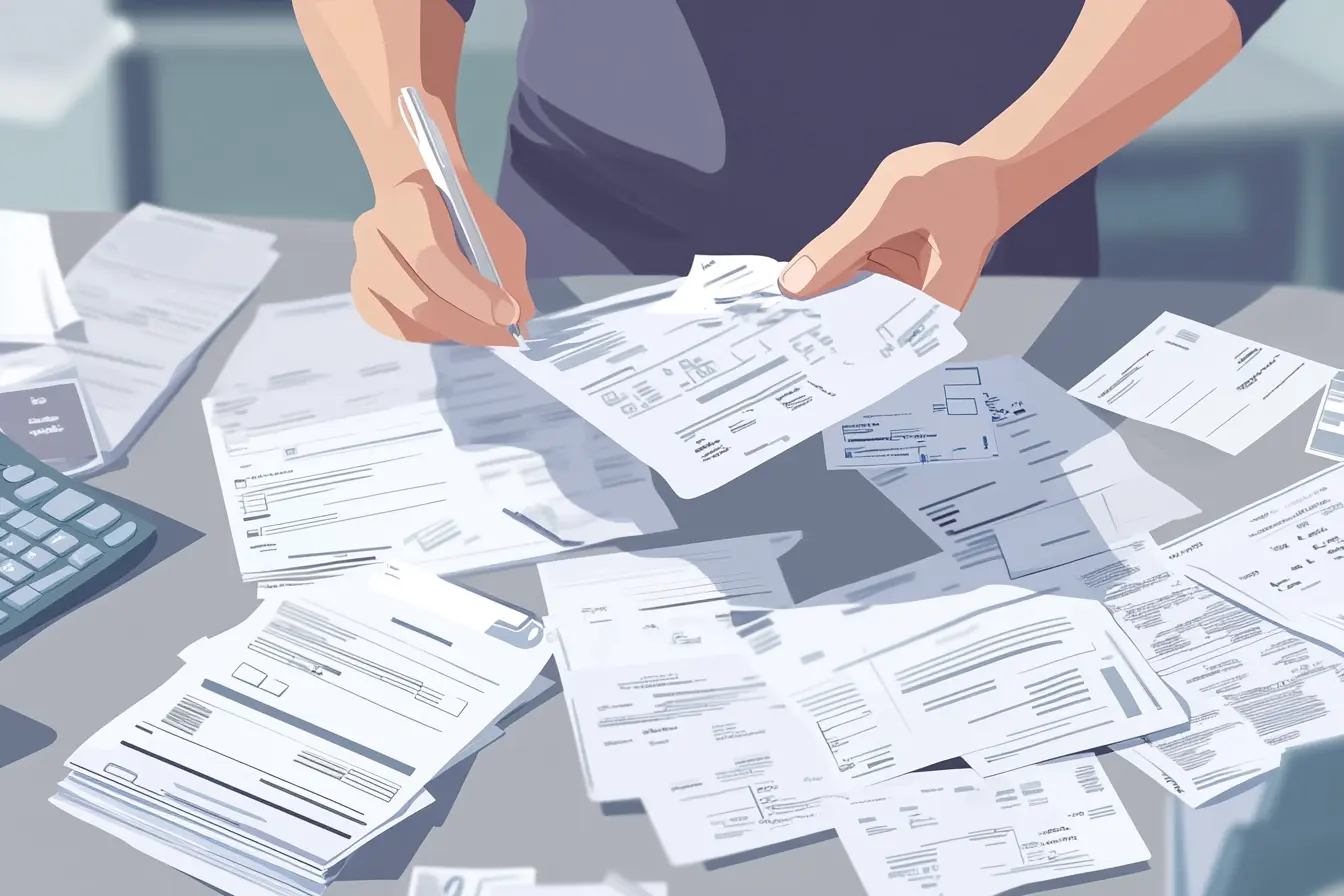
When you experience a fire, theft, flood, or other disaster, one of the most common questions from your insurance provider is: "Can you prove what you owned and what it was worth?"
One of the best ways to answer that is by saving and organizing purchase receipts ahead of time.
Receipts are critical for proving ownership, cost, and purchase date—all key factors in getting a fair reimbursement. This step-by-step guide walks you through how to gather, store, and use receipts before an incident occurs.
Step 1: Identify What Types of Purchases to Save
You don’t need to keep receipts for everything, but you should prioritize high-value, hard-to-replace, or frequently claimed items.
Examples:
Electronics: TVs, laptops, phones, audio systems
Appliances: washers, dryers, refrigerators, microwaves
Furniture: sofas, mattresses, dining sets
Jewelry and watches
Clothing and shoes (especially designer or specialty items)
Art, collectibles, or decor
Tools, bicycles, or hobby equipment
Home improvement purchases: flooring, paint, fixtures, lighting
If something would cost more than $100 to replace or is mentioned in your insurance Policy, keep the receipt.
Step 2: Gather Receipts from Past Purchases
Start by collecting what you already have. Look in:
Email inboxes (search for keywords like “receipt,” “order confirmation,” or store names)
Online accounts (Amazon, Best Buy, Apple, Home Depot, etc.)
Physical files, junk drawers, or product manuals
Credit card or bank statements (to locate dates and stores)
Appraisal documents (which often include proof of purchase)
Even if the item was purchased years ago, a dated receipt still strengthens your documentation.
Step 3: Scan or Photograph Paper Receipts
Paper fades over time—especially thermal receipts. Digitizing them ensures they’ll be available when you need them.
How to do it:
Loti has a built in AI Doc Scan feature set
Or, use a phone scanning app (like Adobe Scan or Genius Scan)
Photograph the receipt in clear lighting with no glare
Include the full receipt, showing: item name, store, date, amount
Save each file as a PDF or JPEG for easy viewing.
Step 4: Match Receipts to Photos of the Items
To make your documentation even stronger, pair your receipts with photos of the actual items.
For each major item:
Take a wide shot of it in its room
Take a close-up showing logos, labels, or serial numbers
Store the photo alongside the receipt and, if available, the user manual or box
Example:
Match a photo of your refrigerator to its Home Depot receipt and installation paperwork.
Step 5: Organize Receipts by Room or Category
Once gathered and digitized, organize your receipts clearly for easy reference during a claim.
Suggested folders or tags:
Kitchen Appliances
Electronics
Furniture – Living Room
Clothing & Accessories
Tools & Equipment
Art & Decor
Home Improvements
Rename files clearly. Instead of IMG_3429.jpg, try:Receipt_SamsungTV_BestBuy_2023.pdf.
With Loti, you can store receipts by room or by item, linking them directly to your home inventory.
Step 6: Keep Track of Warranties and Service Agreements
Some receipts also include coverage details beyond insurance.
Save these too:
Manufacturer warranties
Extended service plans
Proof of delivery or installation
Return policies and date limits
These can be helpful in disputes about when and how damage occurred—or if coverage overlaps.
Step 7: Back Up and Review Annually
Once your receipts are stored, make sure they’re safe and up to date.
Tips:
Store a copy on a cloud service (Google Drive, Dropbox, iCloud)
Use a secure platform like Loti for organizing by room or item
Keep a backup on an encrypted flash drive or hard drive
Review and update receipts annually—especially after major purchases
Wrap-Up
Receipts may not be glamorous, but they’re a vital part of a strong insurance claim. By collecting and organizing them now, you save yourself stress, delays, and financial losses down the line.
With Loti, you can upload your receipts alongside photos, manuals, and appraisals—building a complete, professional record of your home’s contents. That way, if disaster ever strikes, you’re ready with the proof you need.
A smart homeowner plans ahead—and it all starts with a receipt.