What Personal Property Coverage Is Designed to Do: Understanding how belongings are insured and why this coverage behaves differently
Personal property coverage is often described simply as coverage for the things you own. While that description is not wrong, it leaves out important nuance.
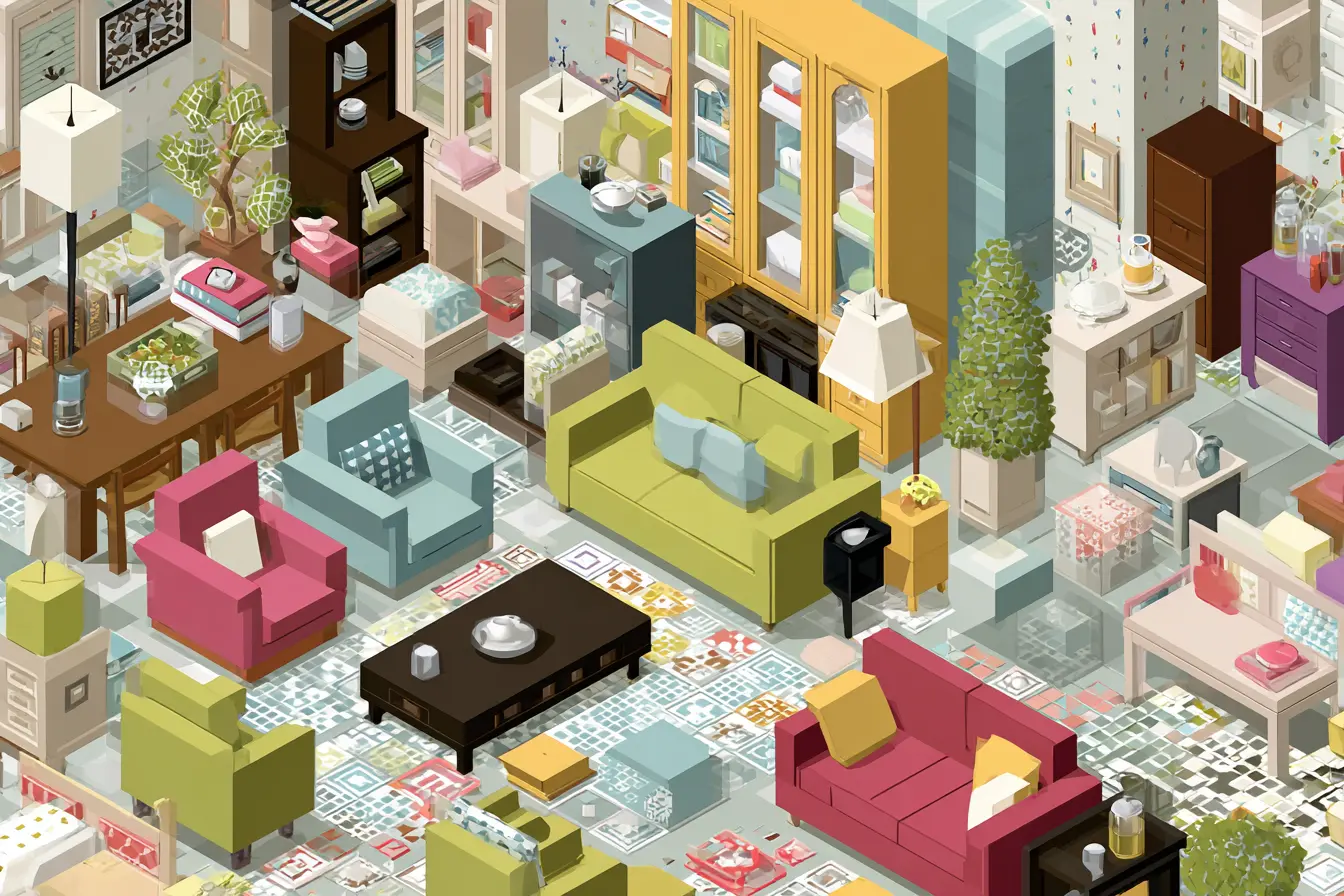
Unlike dwelling coverage, which focuses on rebuilding a structure, personal property coverage is designed to address thousands of individual items that vary widely in age, value, and use. Furniture, clothing, electronics, kitchenware, books, tools, and everyday household goods are all grouped together under one coverage bucket, even though they behave very differently when it comes time to replace them.
Understanding that distinction helps explain why personal property coverage is one of the most misunderstood and most commonly underinsured parts of a homeowners policy.
Personal property coverage is about replacement, not valuation
At its core, personal property coverage is meant to help you replace what you owned before a loss. It is not designed to reflect sentimental value, rarity, or personal importance. It is also not designed to guarantee that every item can be replaced exactly as it was.
Instead, the coverage operates within defined limits and rules that determine how much the policy will pay across all belongings combined. That structure works reasonably well for everyday items, but it can feel restrictive when losses are large or when belongings fall into specialized categories.
This difference between emotional value and insurance value is one of the first points of friction homeowners encounter during personal property claims.
Why personal property is grouped together
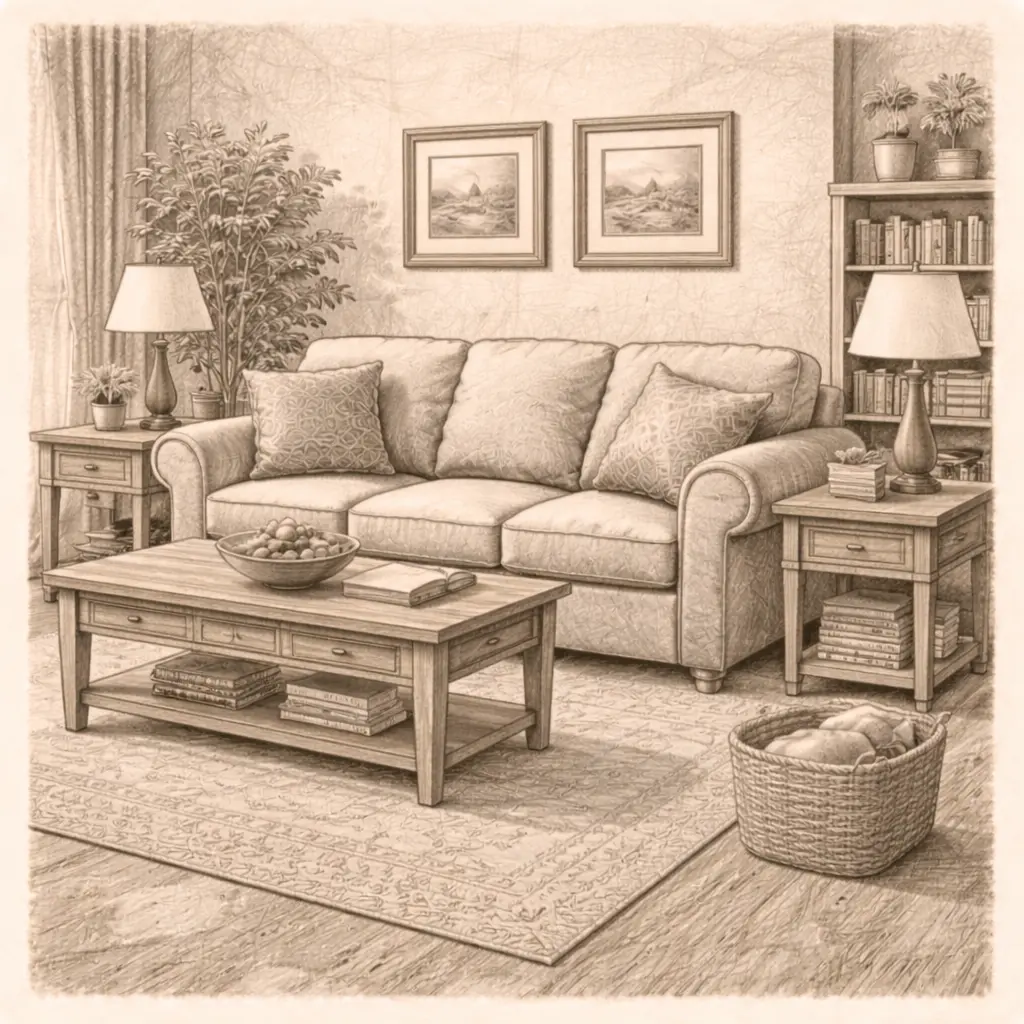
From an insurance standpoint, grouping belongings into a single category simplifies administration and pricing. Most households own a similar mix of everyday items, and many losses affect a broad range of property at once.
However, this approach also means that the total limit must stretch across everything you own. High replacement costs in one area reduce what is available elsewhere. When losses are widespread, that total can be consumed faster than expected.
This is very different from dwelling coverage, where costs are tied to a single structure and a more predictable scope of work.
How limits shape real outcomes
Personal property limits are typically set as a percentage of the dwelling limit, often without a detailed inventory. That percentage may have been reasonable at one point, but it does not automatically adjust for how households actually change over time.
As a result, many homeowners have limits that feel generous until they are tested. Replacing furniture, clothing, electronics, and household goods at current prices adds up quickly, especially when everything must be replaced at once.
The limit does not reflect what any one item costs. It reflects how much the policy will pay across all items combined.
The difference between loss scenarios
Personal property coverage behaves differently depending on the type of loss.
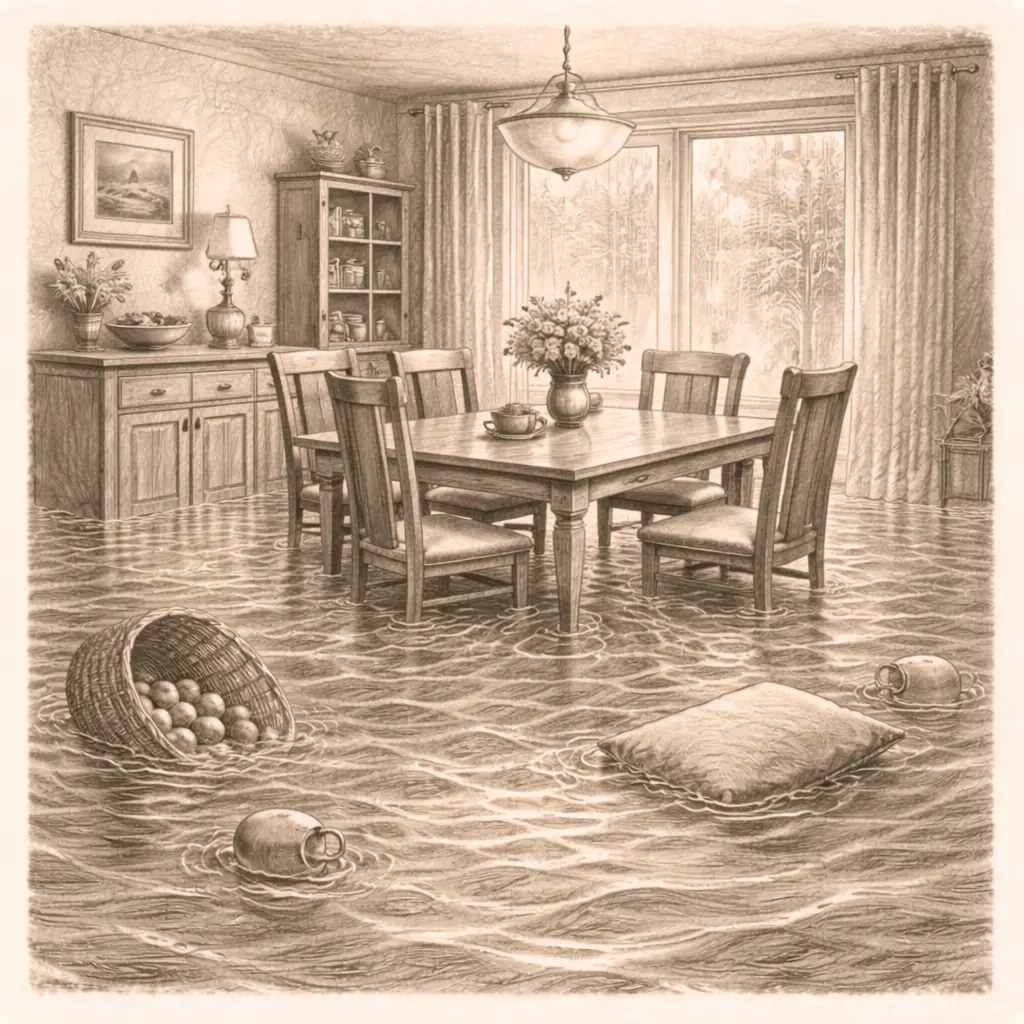
In a small loss, such as a single room affected by water damage, the coverage may feel more than adequate. Only a subset of belongings needs to be replaced, and limits are rarely challenged.
In a total loss or large scale event, the picture changes. When an entire household must be replaced, personal property coverage is tested at its limits. Items that were purchased gradually over years must now be replaced all at once, often at higher prices and under stressful conditions.
This is when underinsurance becomes most visible.
Why personal property coverage deserves separate attention
Because personal property is less visible than a home’s structure, it is easy to overlook during policy reviews. There is no square footage to measure and no clear rebuild estimate to reference.
Yet for many homeowners, personal belongings represent a significant portion of recovery cost and emotional strain. Understanding how this coverage is designed to work makes it easier to evaluate whether limits are appropriate and where additional protections may be needed.
This foundation is essential before examining why people underestimate what they own, how depreciation affects payouts, and where sublimits come into play.
Wrap-Up
Personal property coverage is designed to help replace the things you owned, within a defined framework that balances practicality and predictability.
It is not intended to perfectly mirror personal attachment or guarantee exact replacement. Understanding this scope and structure helps explain why this coverage behaves differently from dwelling coverage and why it so often becomes strained during large losses.
In the next article, we will explore why most homeowners underestimate the value of what they own and how that underestimation quietly leads to coverage gaps over time.