Chapter Summary: Managing the Money

Budgeting, Tracking, and Documenting Your Way Through the Claim
Insurance claims aren’t just about damage—they’re about dollars. To get fully paid, you need to estimate costs accurately, track every expense, and justify each payment request with detailed documentation. This chapter focuses on the financial side of recovery: from planning your rebuild budget to recovering depreciation and maintaining a clean claims ledger.
If you can organize your claim like a financial project, you'll maximize your coverage and minimize friction.
1. Budgets
Learn how to structure a projected rebuild budget using contractor estimates, Xactimate reports, and vendor bids. This article explains how to present projected costs to your insurer and plan for what they might fund (and what they’ll wait to reimburse).

2. Depreciation
Insurance carriers often hold back part of your payment as depreciation. This article explains how depreciation works, how it’s calculated, and how to recover the withheld amount once you complete repairs or replace items.
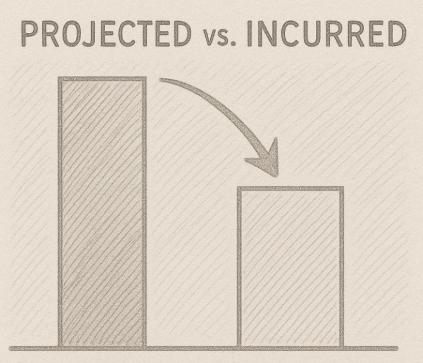
3. Projected vs. Incurred Costs
Understanding the difference between what you're planning to spend (projected) and what you've actually spent (incurred) is crucial. Learn which documents support each, how insurers treat them differently, and how to avoid delays in reimbursement.
4. Accounting and Documentation
This article offers practical tips for tracking payments, receipts, and expenses. Whether you're using Excel, a notebook, or claim software, you’ll learn how to keep your records audit-ready, organized by coverage bucket, and useful for submitting supplementals.
Learn More
We have an entire RallyBack book dedicated to finances - this is just a subset of articles dedicated to money and finances as it relates to your insurance claim. Start here and let’s keep learning…!