A Homeowner’s Guide to Environmental Engineers and Testing After Property Damage
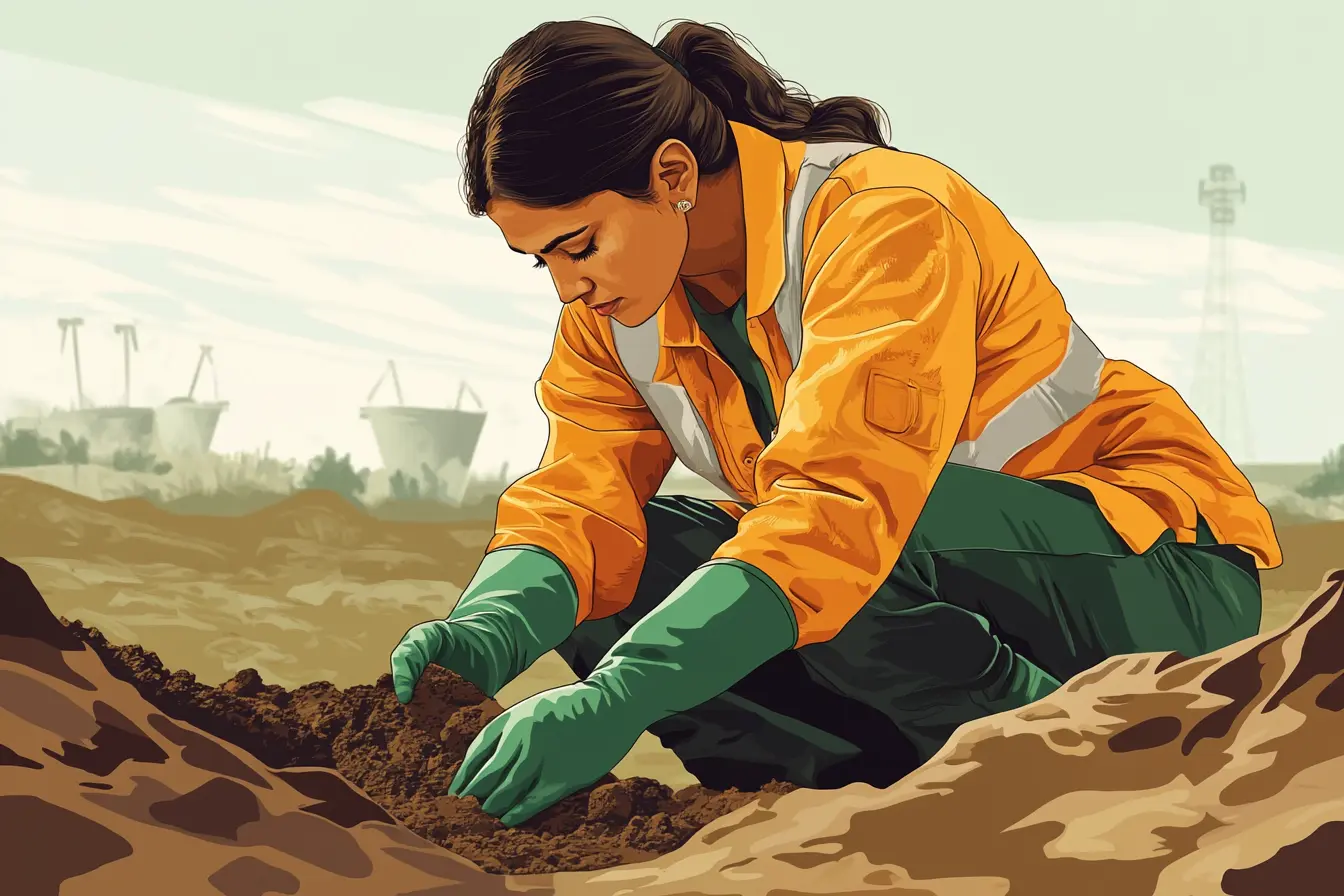
When you're rebuilding, remodeling, or repairing your home after a fire, flood, or disaster, one of the most overlooked—but essential—steps is engaging environmental professionals. Whether you're dealing with hazardous materials, smoke particulates, or soil and water impacts, environmental engineers and consultants play a critical role in ensuring your home is not only structurally sound but also safe, compliant, and sustainable.
This guide outlines the types of environmental specialists homeowners may encounter, the kinds of testing they provide, and how these services intersect with restoration, remediation, and insurance claims.
Why Environmental Testing Matters After a Loss
In the aftermath of a disaster, especially fires, floods, and demolition, your home may be exposed to toxic materials, pollutants, or lingering environmental hazards.
Common risks include:
Asbestos fibers released from damaged insulation or building materials
Lead dust from older painted surfaces disturbed during demolition
Combustion byproducts like soot, ash, and polycyclic aromatic hydrocarbons (PAHs)
Heavy metals (e.g., lead, mercury, cadmium, arsenic) from burned electronics or building materials
Lithium or corrosive residues from battery fires (such as EVs or energy storage systems)
Most restoration companies are not licensed to identify or remediate these hazards. That’s where environmental engineers and associated specialists come in.
Key Environmental Professionals You May Need
1. Environmental Engineer
Role: Designs systems and solutions to assess and mitigate environmental risks. They help ensure compliance with federal, state, and local regulations—especially when rebuilding after damage.
They assist with:
Air and water quality assessments
Waste handling and material disposal compliance
Stormwater and erosion control during rebuilding
Integration of sustainable design strategies
Typical Documents:
Environmental Impact Assessments (EIA)
Stormwater Management Plans
Erosion and Sediment Control Plans
Waste Management Plans
2. Environmental Consultant
Role: Advises on regulatory compliance, testing protocols, and risk management. These professionals coordinate field testing, lab analysis, and clearance documentation.
They conduct or coordinate:
Phase I & II Environmental Site Assessments (especially near old industrial land)
Indoor environmental hazard screenings
Remediation planning and post-abatement verification
Sustainability and energy impact assessments
3. Hazardous Materials Specialist
Role: Identifies and oversees the safe removal of hazardous materials during cleanup or renovation.
Tests for:
Asbestos (in drywall, tile, siding, insulation)
Lead (in paint, plumbing, or dust)
Combustion byproduct particulates (soot, ash)
Heavy metals from electronic/appliance fires
Lithium or corrosive agents from battery-related fires
Delivers:
Hazardous Materials Surveys
Abatement Plans and Work Orders
Final Clearance Reports
4. Air Quality Specialist
Role: Monitors and ensures the safety of indoor air before reoccupation.
Testing may include:
PM2.5 and PM10 levels (fine and coarse soot/ash particulates)
VOCs (volatile organic compounds) from burned materials or chemicals
Formaldehyde, benzene, or acrolein (common in combustion)
CO2 and CO levels from incomplete combustion or poor ventilation
Equipment Used:
Real-time air monitors
HEPA-filtered samplers
Off-gas measurement tools
Air scrubber performance testing
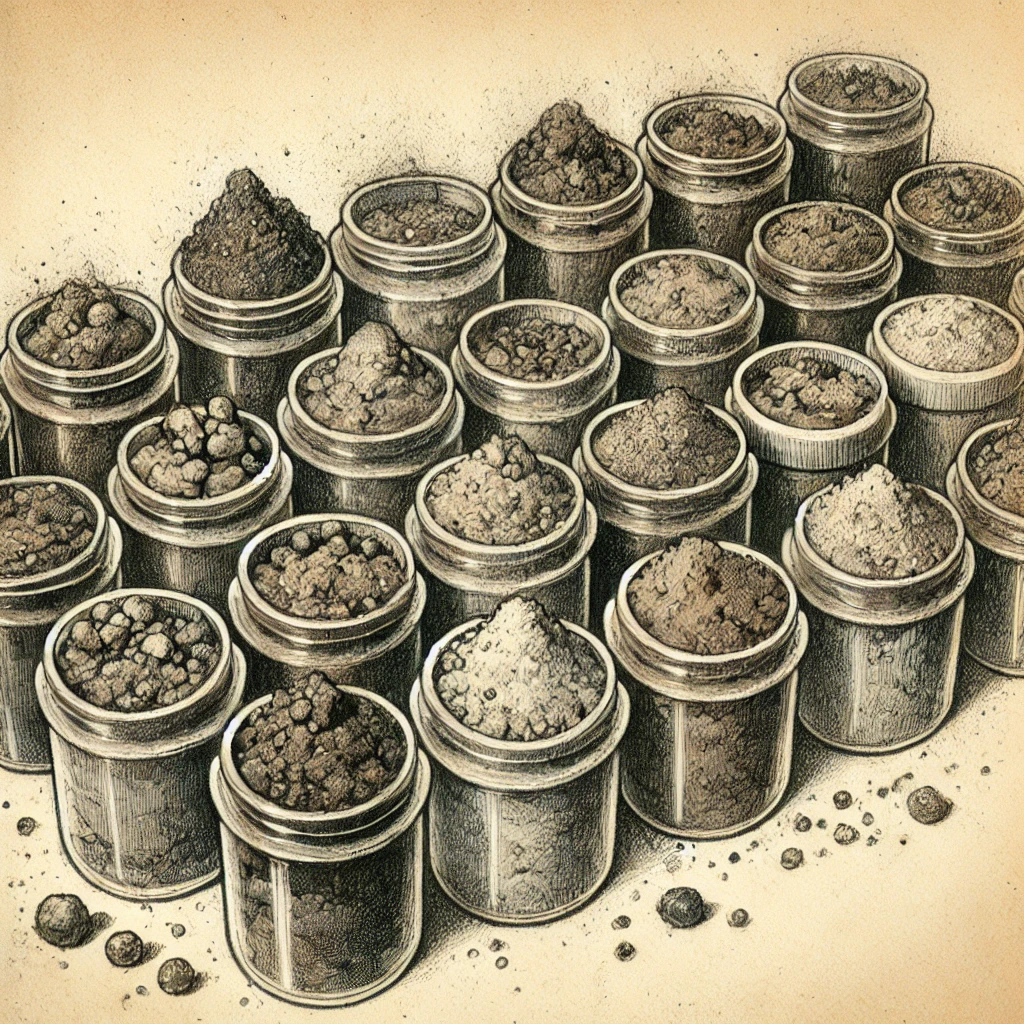
5. Soil Scientist and Hydrologist (if rebuilding)
In severe cases—especially when rebuilding after wildfire, landslide, or flood—soil and water testing may be warranted.
Soil Scientists assess erosion risk, runoff, and residual contaminants
Hydrologists evaluate groundwater contamination, surface runoff, and flood risk
Key Testing Homeowners Should Consider
Here are common tests performed after fire, water, or demolition damage:
Test Type | What It Detects | When It's Needed |
|---|---|---|
Asbestos Bulk Sampling | Asbestos in ceiling tiles, flooring, duct wrap, etc. | Before demolition or disturbing building materials |
Lead Dust Wipe Sampling | Residual lead dust on surfaces | After demolition, sanding, or structural cleaning |
Soot/Combustion Residue Tests | PAHs, char, and carbonaceous particulates | After a fire or heavy smoke event |
Air Quality Testing | Particulate matter, VOCs, toxic gases | Before reoccupying fire/smoke-affected structures |
Heavy Metal Sampling (Soil or Surface) | Lead, mercury, arsenic, cadmium | After fires involving electronics, batteries, or building components |
Water Quality Testing | Contamination from storm runoff, chemicals, sewage | After flooding or when using well water near damaged areas |
Clearance Testing | Post-abatement validation for safe occupancy | After asbestos, lead, or mold remediation |
What to Expect When Hiring Environmental Professionals
Initial Site Visit or Survey
Professionals will walk the site, identify potential hazards, and recommend testing protocols.
Sampling & Lab Testing
Air, dust, bulk material, or water samples are collected and sent to accredited labs.
Report and Recommendations
You'll receive a report outlining findings, risks, regulatory standards, and any remediation steps needed.
Coordination with Contractors or Restoration Vendors
Environmental engineers or consultants may stay involved to oversee hazard removal and perform clearance testing.
When Testing Is Especially Critical
Your home is pre-1980, and demolition is planned
You had a fire with smoke throughout the house
Electronics, solar batteries, or plastics burned in the loss
You or a family member has respiratory or chemical sensitivities
You plan to replace HVAC or insulation in older construction
You’re filing an insurance claim and need proof for replacement instead of cleaning
Collaborators and Compliance
Environmental professionals frequently work with:
General contractors and rebuild teams
Public insurance adjusters (to document and support coverage decisions)
Health and safety officers
Local building departments or environmental health authorities
Insurance companies (though not all testing will be reimbursed automatically—check your policy)
Wrap-Up
Environmental engineers and consultants are not always the first professionals called after property damage—but they often uncover the most important hidden risks. Testing for asbestos, lead, combustion byproducts, and heavy metals isn't just about compliance—it's about protecting your family’s health and making sure you rebuild on a safe foundation.
If your restoration or cleaning crew is moving fast without testing, or if your insurance company is pressuring you to clean obviously contaminated items, bring in a qualified environmental professional to assess your options.
The upfront cost of testing is a small investment compared to the long-term risks of living with unseen contamination.
Further Reading and Resources
For more information on working with environmental professionals and understanding their roles in construction projects, consider visiting the following resources:
Environmental Protection Agency (EPA): EPA Website
American Academy of Environmental Engineers and Scientists (AAEES): AAEES Website
U.S. Green Building Council (USGBC): USGBC Website
Occupational Safety and Health Administration (OSHA) - Hazardous Materials: OSHA Hazardous Materials
National Association of Environmental Professionals (NAEP): NAEP Website
These resources can provide additional insights and guidance as you work with environmental professionals on your home-building, remodeling, or repair project.