Abatement for Homeowners: A Detailed Guide to Asbestos, Lead & Combustion‑By‑Product Particulate Testing and Remediation
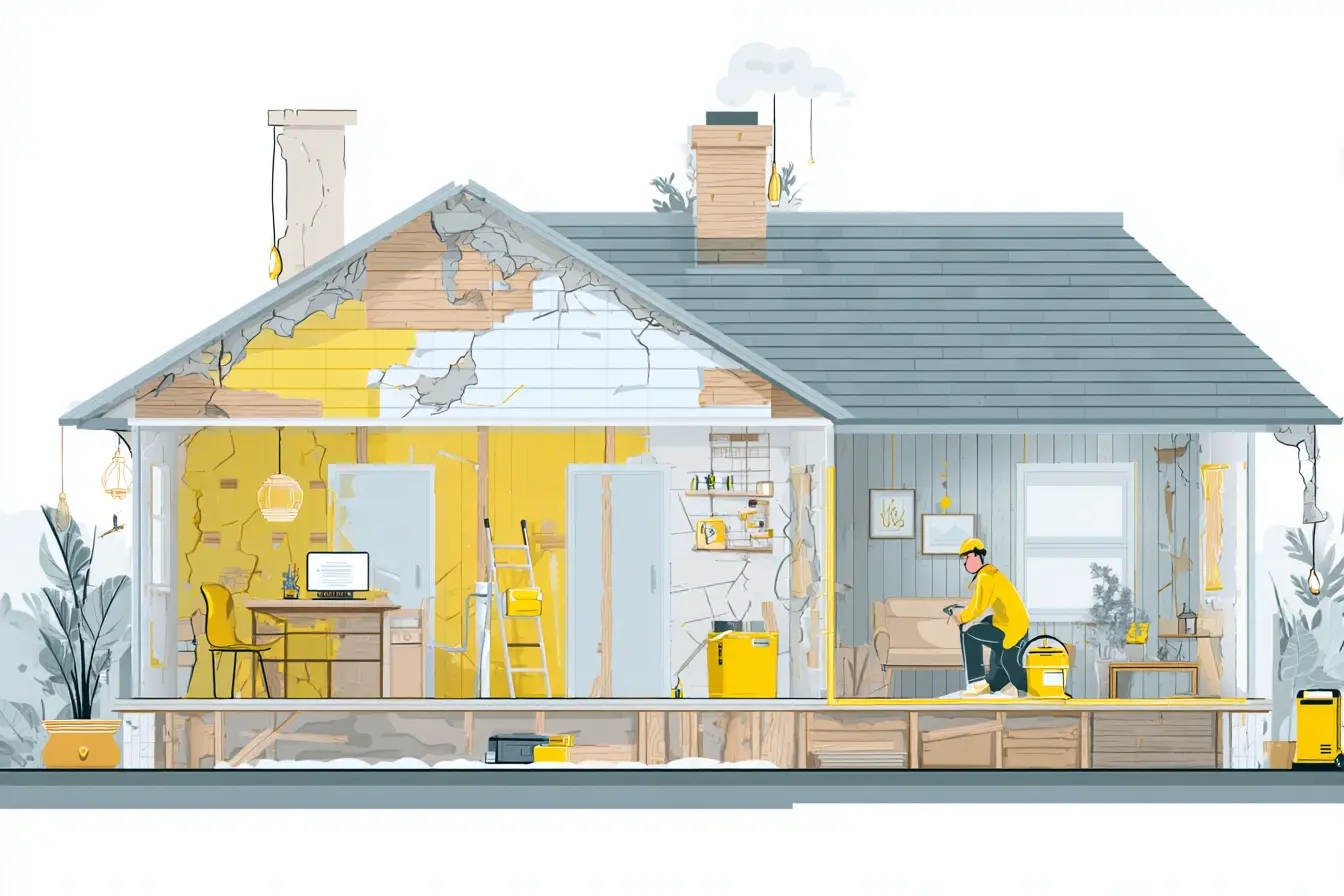
If you’re a homeowner undertaking a construction project, repair or rebuild, understanding hazardous materials and their proper abatement is critical for safety, liability, and compliance. This guide covers the key concepts of abatement, with a focus on asbestos, lead (and lead‑based paint), and combustion by‑product particulates (from fire, smoke or fuel combustion). You’ll learn what testing and remediation steps are typically required, how to choose qualified professionals, and what to expect in the process.
What is “Abatement”?
Abatement refers to the process of identifying, managing, removing or permanently stabilizing (“removing the hazard” or “making it safe”) hazardous materials—especially when they might be disturbed during Demolition, renovation or rebuilding. Abatement isn’t mere cleaning; it involves controlled work practices, Containment, certified professionals, and often disposal pursuant to regulatory requirements.
For construction projects the abatement process tends to follow this basic flow:
Inspection / assessment – identify potential hazardous materials (e.g., suspect asbestos‑containing materials, Lead Paint, soot or combustion‑by‑product residue).
Testing / sampling – collect physical samples and/or perform air or surface tests to confirm presence/extent of hazard.
Planning & notifications – develop an abatement plan, decide on removal vs Encapsulation vs management in place, notify authorities if required.
Containment and remediation – perform the work under controlled conditions (barriers, HEPA vacuuming, wet methods, Negative Air Pressure, PPE).
Post‑abatement sampling / clearance – test again to ensure hazard levels are below applicable limits and that the environment is safe for occupancy.
Documentation / disposal – keep records of testing and remediation, ensure Hazardous Waste is disposed at approved site.
Asbestos Abatement
What is Asbestos & Why It Matters
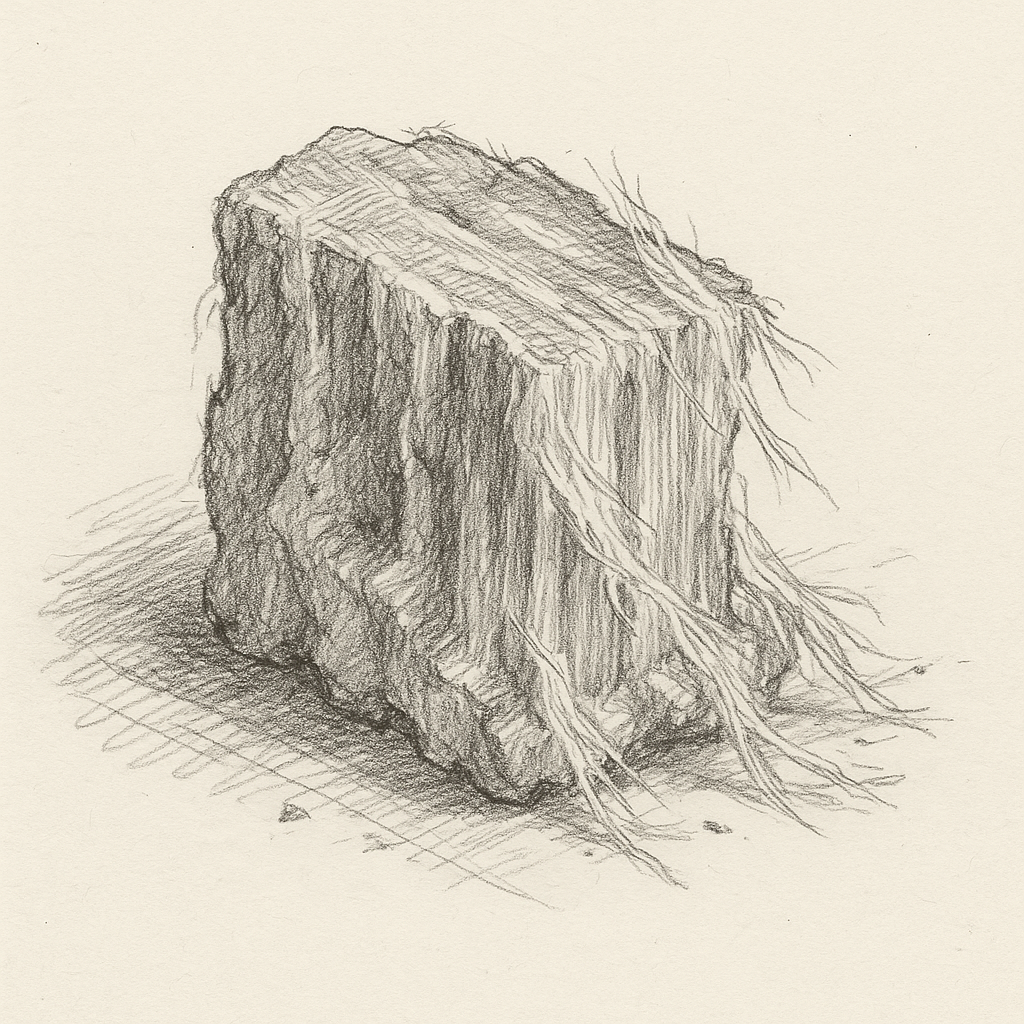
Asbestos is a group of naturally‑occurring fibrous minerals used widely in building materials (pipe Insulation, Ceiling sprays, floor tiles, Siding, etc.). When asbestos‑containing materials (ACMs) are disturbed — during renovation, demolition or fire damage — they can release microscopic fibers into the air. Inhaled fibers can lead to serious illnesses including lung cancer, mesothelioma and asbestosis.
When Should Asbestos Be Tested?
Homes or structures built prior to ~1980 (or frequently before 1990) may contain ACMs.
If you plan a renovation, demolition or repair that disturbs walls, ceilings, piping, siding or other older materials, you should test first.
If materials look damaged, friable (crumbly) or if there has been fire damage or structural collapse, testing is advisable.
Testing & Sampling
A certified asbestos inspector (or consultant) takes physical samples of suspect materials, sends them to a lab for analysis.
Visual inspections may note suspect areas, but only lab analysis confirms presence.
The lab typically uses polarized light microscopy (PLM) or transmission electron microscopy (TEM).
Abatement Options
Once asbestos is confirmed, there are a few pathways:
Encapsulation or enclosure: If ACMs are intact and will not be disturbed, you may seal or cover them rather than remove.
Removal (abatement): When materials are damaged, friable, or will be disturbed, certified abatement contractors remove them under strict controls.
Management in place: Sometimes, leaving the material undisturbed but managing it regularly is acceptable—especially when removal would create more risk.
Process & What to Expect
Contractor establishes containment: sealed work area, negative‑air machines, plastic sheeting, warning signage.
Workers use PPE (respirators, disposables), wet methods to minimize airborne fiber release.
Waste must be bagged, labeled appropriately, and disposed at approved Landfill.
Post‑abatement clearance testing is done: air samples or surface wipe samples to ensure fibers are below allowable levels.
Documentation is critical: keep lab reports, contractor certificates, chain of custody, disposal receipts.
Relevant Regulations & Resources
Environmental Protection Agency (EPA) – Asbestos info: “Information for Owners and Managers of Buildings that Contain Asbestos”
State/local agencies (e.g., Colorado’s CDPHE) list required notifications, trigger levels for asbestos removal.
Lead (Lead‑Based Paint) Abatement
Why Lead Matters
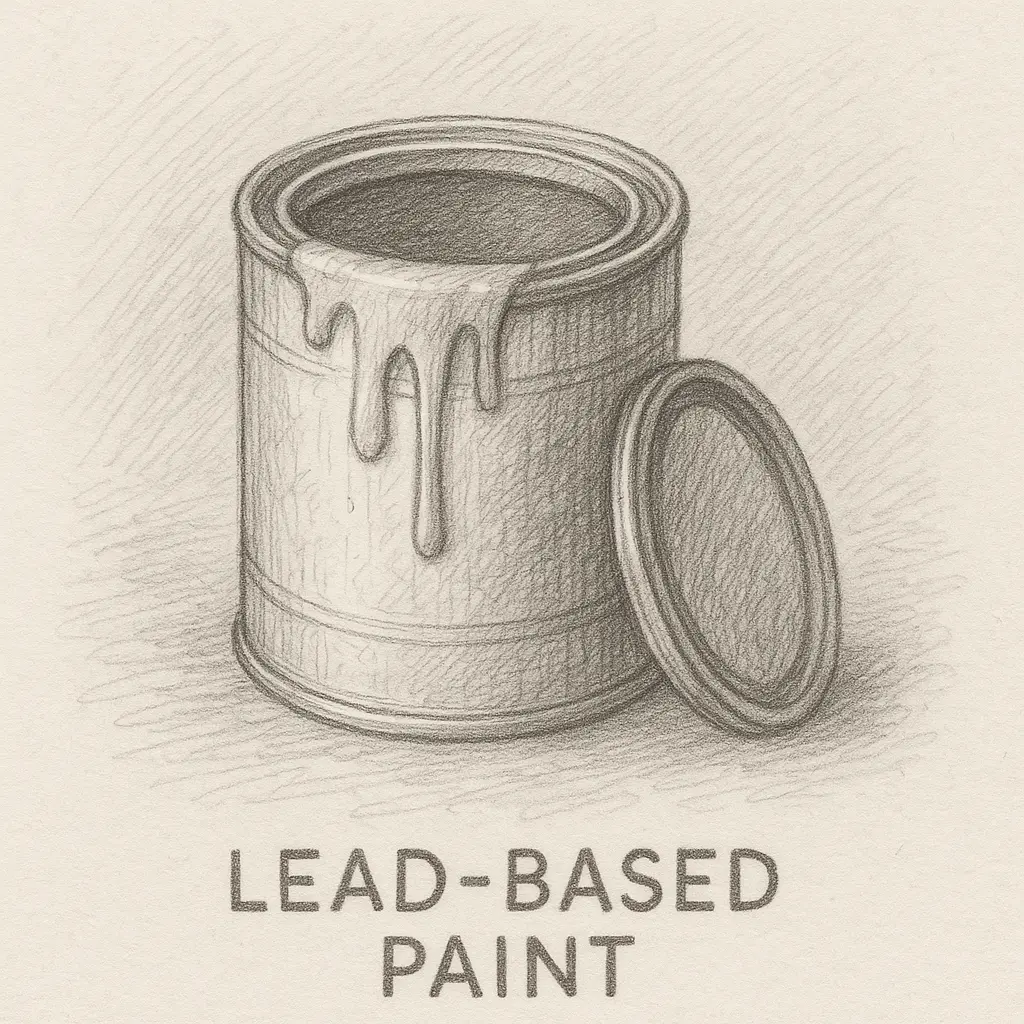
Lead was used extensively in paint before 1978 in the U.S. Dust from lead‑paint chips or sanding can lead to lead exposure—especially hazardous in children (neurological damage, developmental issues).
When to Test for Lead
Homes built before 1978 (or in some states, before 1960s) likely have lead‑based paint.
Before renovating or disturbing painted surfaces (sanding, demo) test for lead.
If you discover peeling paint, dust build‑up, or are doing a major rebuild, testing is prudent.
Testing & Sampling
Certified lead inspector performs XRF (x‑ray fluorescence) or paint‑chip sampling.
If significant lead is found, risk assessment may follow.
Abatement Options
Removal: Lead‑contaminated paint or components removed by qualified professionals.
Encapsulation: Covering the lead paint with a durable coating that prevents exposure.
Management/maintenance: Keeping lead paint in good condition (intact, non‑chalking) and Monitoring.
Dust control / cleaning: After any renovation, lead dust must be cleaned with HEPA vacuums, proper disposal.
What to Expect & Regulations
Only certified firms can perform abatement in many jurisdictions.
Documentation: records of testing, abatement work, clearances.
Be aware: Simply painting over lead paint without proper prep may not be compliant.
Combustion By‑Product Particulate Abatement (Fire, Smoke, Soot)
What Are They?
When fuels burn (wood, oil, gas, PVC, electronics, plastics) they release combustion by‑products (CBPs): soot, ash, char, ultrafine particulates, volatile organic compounds (VOCs) and heavy metals. These can settle on surfaces or remain in air, posing health risks and interfering with remodeling/repair work. NoVA Environmental Solutions
Why It Matters in a Construction / Rebuild Scenario
After a fire, partial collapse, or smoke infiltration event (such as wildfires), these residues may be present in walls, HVAC Ducts, attic insulation, floor cavities.
Remodeling or rebuilding without testing may spread these particulates or leave harmful residues behind, affecting indoor air quality long‑term. United Policyholders
Testing & Sampling
Surface wipe sampling: soot/ash deposits on walls, ceilings, Ductwork.
Air sampling: airborne particulates collected, often with thermal or gravimetric filters. Rarefied Air Environmental, In
Tape‑lift sampling: measures settled particulate load on surfaces. NoVA Environmental Solutions
VOC sampling: if plastics, treated wood or other materials burned, residual VOCs may be present. Rarefied Air Environmental, Inc.
Remediation/Abatement Process
Containment of work area (dust control, HEPA filtration, negative air).
Removal of soot‑contaminated materials: insulation, Ceiling Tiles, ductwork, carpeting.
HEPA vacuuming and Wet Wiping of non‑porous surfaces.
Depending on contamination, partial or full demolition may be required.
Clearance testing after remediation to confirm safe re‑occupancy.
What to Expect
Testing may be required by insurance or regulatory agencies before rebuilding or occupancy.
Results help guide contractors on cleaning vs removal vs replacement decisions.
Documentation is important for insurance claims, resale, occupancy safety.
Key Considerations for Homeowners with a Construction Project
Hire Qualified Professionals
Look for certified inspectors/consultants for asbestos, lead and IH/IAQ (industrial hygiene / indoor air quality) testing.
Ensure abatement contractors hold the proper licenses, certifications, insurance, and follow local and federal standards. Mesothelioma Center
Ask for references, previous work documentation and sample clearance reports.
Check Local/State Regulations
Regulations vary widely by state and even by municipality. Some states require notification or permit filings before abatement begins (e.g., Colorado’s 10‑working‑day rule for asbestos).
Make sure you follow disposal rules: hazardous materials cannot go in regular trash; special landfills or licensed facilities may be required.
Plan for It Early
Incorporate abatement testing and remediation into your project timeline and budget.
If you are demolishing or renovating, test before demolition begins—disturbing materials without testing can release hazards and lead to costly Liabilities.
Documentation & Clearances
Always get: inspection report, lab analysis, abatement work plan, clearance test results, disposal receipts.
These may be required for financing, insurance claims, building department permits, future resale disclosures.
Health and Safety First
While undisturbed asbestos or lead‑paint may pose lower risk, anytime materials are being cut, drilled, removed or sanded, your risk increases.
Children, pregnant persons, the elderly or those with respiratory issues are especially sensitive.
If you smell persistent smoke odor or see soot after a fire, don’t assume it’s safe—have testing done. NoVA Environmental Solutions
Summary Table
Hazard Type | Common Sources | Why Test & Abate | Typical Process |
|---|---|---|---|
Asbestos | Pipe insulation, ceiling sprays, floor tiles pre‑80s | Fibers are carcinogenic when airborne | Inspect → Sample → Remove or Encapsulate → Clear |
Lead / Lead‑Based Paint | Homes built <1978, old paint, Plumbing fixtures | Neurological damage, especially in children | Inspect → Sample → Abate/Encapsulate → Clear |
Combustion By‑Products (CBPs) | Fire/smoke events, wildfires, HVAC, woodstoves | Fine particulates & VOCs cause respiratory/cardiac issues | Inspect → Sample (air/surface) → Clean/Remediate → Clear |
Recommended Resources & Further Reading
EPA’s Lead Abatement, Inspection and Risk Assessment guidance – https://www.epa.gov/lead/lead-abatement-inspection-and-risk-assessment EPA
EPA’s Asbestos information for building owners – https://www.epa.gov/asbestos/information-owners-and-managers-buildings-contain-asbestos EPA
Consumer Guide to Asbestos (California) – https://www.cslb.ca.gov/…/asbestosguideforconsumers.pdf CSLB
Benefits of Combustion By‑Product Testing – https://www.novaenvironmentalsolutions.com/benefits-of-combustion-by-product-testing/ NoVA Environmental Solutions
Wrap-Up
If you’re rebuilding or repairing your home—and especially if it’s older, subject to fire damage, or undergoing substantial renovation—don’t overlook hazardous material testing and abatement. Properly managing asbestos, lead, and combustion by‑product particulates protects your health, ensures compliance, minimizes liability, and sets your project up for long‑term success. Invest time early on to inspect and plan for abatement as part of your construction project—it’s a small step that can prevent big problems down the road.