Building Codes and Ordinance or Law Coverage: Why rebuilding often costs more simply because the rules have changed
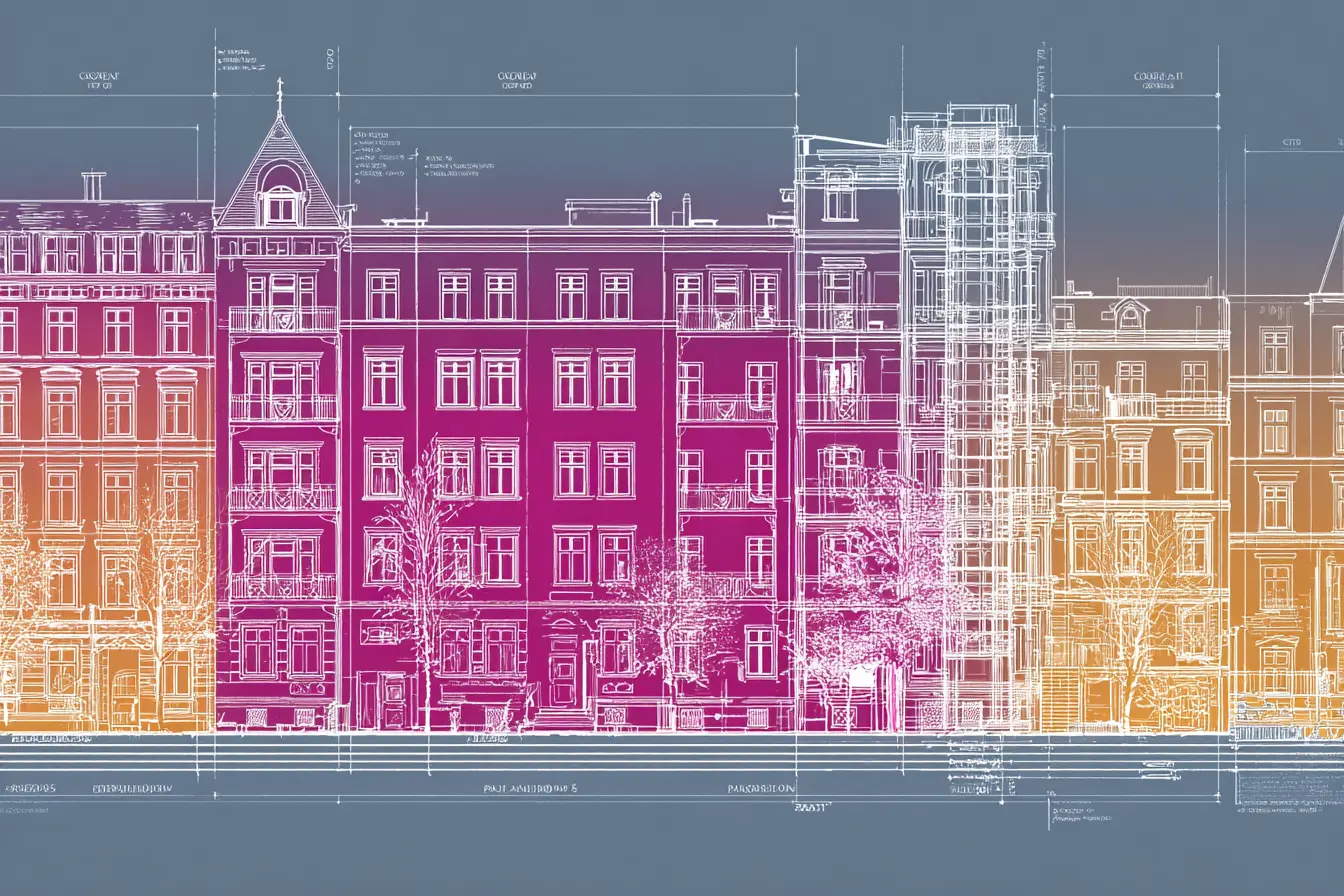
One of the most common surprises homeowners face during rebuilding has nothing to do with materials or labor shortages.
It has to do with rules.
When a home is rebuilt after a loss, it is rarely allowed to be reconstructed exactly as it was decades ago. Building codes evolve over time, reflecting new safety standards, energy requirements, and construction practices. While these changes are often beneficial, they also add cost, and those costs are not always covered automatically.
This is where many well insured homeowners encounter unexpected gaps.
Why rebuilding follows today’s codes, not yesterday’s standards
Building codes exist to improve safety and performance. They address issues such as structural integrity, fire resistance, electrical safety, Energy Efficiency, and accessibility. As new information and technology emerge, codes are updated accordingly.
When a home is damaged or destroyed, local building departments typically require that any reconstruction comply with the current version of the code, not the version that was in place when the home was originally built. This applies even if the original home was compliant at the time of construction.
As a result, rebuilding often involves upgrades that were never part of the original structure.
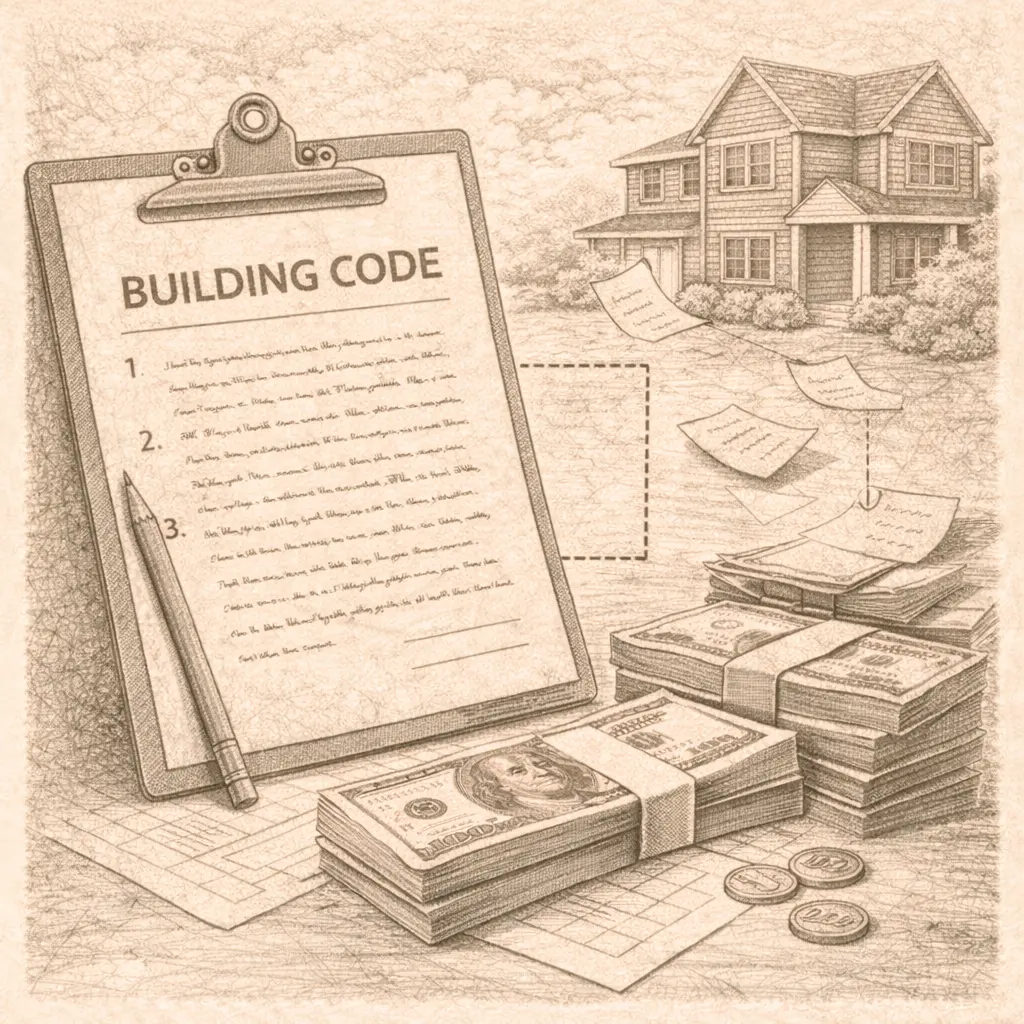
How code upgrades add cost during reconstruction
Code related upgrades can take many forms.
Electrical systems may need to be brought up to current standards. Structural reinforcements may be required. Fire rated materials, improved Insulation, or updated Ventilation systems may be mandated. In some cases, layout changes are necessary to meet spacing or access requirements.
Individually, these upgrades may seem modest. Collectively, they can add significant cost to a rebuild, especially in older homes or in jurisdictions with strict enforcement.
Because these requirements only apply when rebuilding occurs, they are largely invisible before a loss.
Why dwelling coverage alone may not be enough
Standard dwelling coverage is designed to rebuild what existed before the loss, using comparable materials and methods. It does not automatically include the additional cost required to meet new codes.
Without specific coverage for these upgrades, the homeowner may be responsible for the difference between rebuilding the home as it was and rebuilding it as required.
This gap often surprises homeowners because it feels counterintuitive. The loss was covered, the home is being rebuilt, yet additional costs fall outside the main dwelling limit.
Example
A homeowner with a well maintained older home experiences a covered loss. During reconstruction, local code requires upgraded electrical panels, additional fire resistance measures, and improved insulation. The dwelling coverage pays for much of the rebuild, but the added cost of meeting current code exceeds what is covered, leaving the homeowner to absorb the difference.
What ordinance or law coverage is designed to do
Ordinance or law coverage is specifically intended to address this problem.
This coverage helps pay for the increased cost of rebuilding due to changes in building codes or local ordinances. It may apply to Demolition, upgrades, or required modifications that go beyond restoring the home to its previous condition.
Ordinance or law coverage is often expressed as a percentage of the dwelling limit or as a separate dollar amount. The level of protection varies widely by Policy.
Having this coverage does not eliminate all rebuilding challenges, but it can significantly reduce out of pocket exposure related to code compliance.
Why older homes face greater exposure
Older homes are particularly vulnerable to code related gaps.
The longer it has been since a home was built or substantially updated, the more likely it is that current codes differ from original construction standards. Even homes that have been well cared for may face substantial upgrade requirements when rebuilding.
This does not mean older homes are poorly built. It simply reflects how much construction standards have evolved over time.
Understanding this exposure is especially important for homeowners who have not revisited their coverage since purchasing or renovating an older property.
Why code costs are easy to underestimate
Code upgrades are difficult to estimate precisely before rebuilding begins.
Requirements vary by jurisdiction and can change over time. Inspectors may identify additional issues once work is underway. Some upgrades cascade, triggering further modifications elsewhere in the structure.
Because these costs are uncertain and highly specific, they are often underrepresented in rebuild estimates and overlooked during policy setup.
Wrap-Up
Building codes are an important part of safe and resilient construction, but they can significantly increase the cost of rebuilding a home after a loss.
Understanding how code requirements affect reconstruction helps explain why dwelling coverage alone may not be sufficient, particularly for older homes. Ordinance or law coverage exists to help bridge that gap, but its presence and limits vary widely.
In the next article, we will look at practical signs that your dwelling limit may be too low, and how to recognize those indicators before a loss occurs.
Additional Reading and Sources
For more information on building codes and ordinance or law coverage, these resources provide helpful background:
• United Policyholders on Building Code upgrades
https://uphelp.org/claim-guidance/building-codes