Signs Your Dwelling Limit May Be Too Low: How to recognize potential gaps before a loss forces the issue

Most homeowners do not discover that their dwelling coverage is too low by reviewing their policy.
They discover it when rebuilding begins and costs exceed expectations. By that point, options are limited and decisions carry far more pressure. The purpose of this article is not to alarm, but to help you recognize early signals that coverage may be worth a closer look while there is still time to act thoughtfully.
These signs are not guarantees of underinsurance. They are indicators that assumptions may deserve revisiting.
Your dwelling limit has not been meaningfully reviewed in years
One of the simplest signals is time.
If your dwelling limit was set years ago and has only been adjusted through small automatic increases, it may not reflect current rebuild realities. Construction costs, labor availability, and building standards evolve faster than most annual adjustments capture.
Even policies that increase limits regularly can fall behind if those increases are based on generalized indexes rather than local conditions or changes to the home itself.
You have made renovations or upgrades since the policy was set
Renovations almost always increase rebuild cost, even when they do not dramatically change square footage.
Upgraded kitchens, bathrooms, flooring, windows, or structural changes add complexity and material cost. Custom finishes, built ins, and specialty features are particularly impactful. If these improvements were not specifically accounted for when coverage was reviewed, the dwelling limit may reflect an earlier version of the home.
This is one of the most common ways well maintained homes become underinsured.
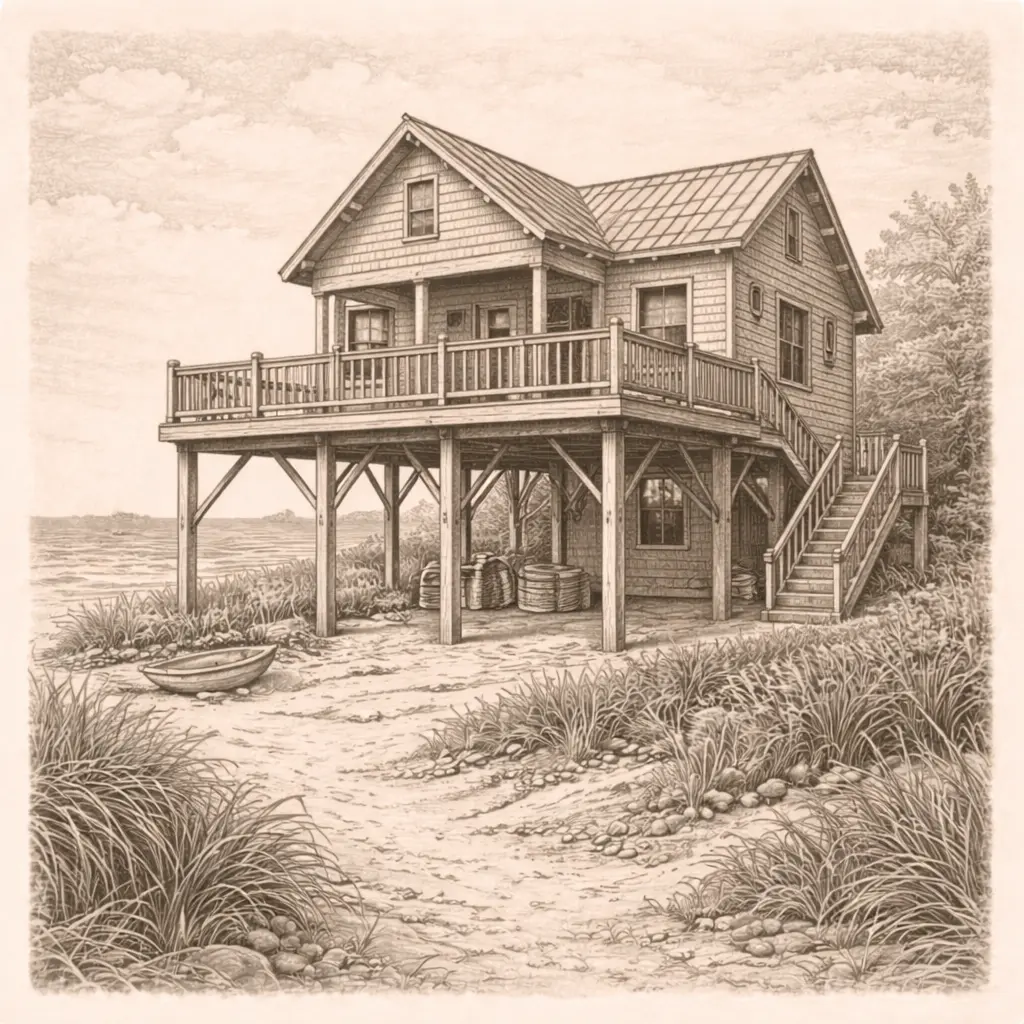
Your home would be complex or slow to rebuild
Some homes are simply harder to rebuild than others.
Older construction, custom architecture, hillside lots, limited access, or specialized materials can all increase both cost and timeline. Homes in areas with strict permitting or limited contractor availability face similar challenges.
If rebuilding your home would require specialized trades, longer planning, or more coordination than average, coverage assumptions based on standard models may not be sufficient.
Local construction conditions are volatile
Rebuild costs are heavily influenced by local conditions.
Regions prone to wildfires, storms, or rapid growth often experience sharper cost swings after major events. Labor shortages and material delays can persist long after the initial damage is repaired.
If your area has experienced significant disruption or growth in recent years, rebuild assumptions set under calmer conditions may no longer apply.
You rely heavily on extended replacement coverage
Extended replacement coverage can be extremely valuable, but it should be viewed as a buffer, not a substitute for an accurate base limit.
If the extended portion of your coverage is doing most of the work in making the numbers feel comfortable, that may be a sign that the underlying estimate is tight. In severe cost environments, even generous extensions can be exhausted.
Understanding how much flexibility exists beyond the base limit helps put risk into perspective.
You are comparing limits to market value for reassurance
As discussed earlier in this chapter, market value is not a reliable reference for insurance coverage.
If reassurance about your dwelling limit comes primarily from how valuable your home appears on paper, rather than from rebuild considerations, it may be masking a gap. High property values can coexist with insufficient rebuild coverage, particularly in areas where land value dominates.

You are unsure how the number was calculated
Finally, uncertainty itself is a signal.
If you do not know how your dwelling limit was determined, what assumptions it is based on, or when it was last meaningfully reviewed, it is difficult to know whether it still fits your situation. That does not mean it is wrong, but it does mean it is untested.
Knowing how a number was created often matters as much as the number itself.
Wrap-Up
Dwelling limits rarely become inadequate all at once. They usually fall behind gradually as time passes, homes change, and rebuilding conditions evolve.
Recognizing the signs that coverage may be tight gives you the opportunity to revisit assumptions on your own terms, rather than during a stressful recovery. The goal is not to chase perfect precision, but to understand whether your policy reflects how rebuilding would actually unfold today.
With dwelling coverage explored in depth, the next chapter will turn to another area where underinsurance is extremely common and often underestimated: Personal Property and the true cost of replacing what you own.