What Dwelling Coverage Actually Pays For: Understanding what rebuilding really includes and what it does not

Dwelling coverage is often described as the part of your policy that protects your home. While that is broadly true, it can also be misleading.
Dwelling coverage does not insure your home as an idea or a memory. It insures the cost to rebuild a physical structure under a specific set of rules. Understanding those rules is essential, because many of the most painful insurance surprises happen when expectations about rebuilding do not match what the policy actually covers.
At a high level, dwelling coverage is meant to pay for repairing or rebuilding the structure of your home after a covered loss. This includes materials, labor, and the built in components that make the house livable. What it does not do is promise to recreate your home exactly as it existed in every detail, nor does it automatically account for every cost that can arise during reconstruction.
That difference matters.
.webp)
What is typically included in dwelling coverage
Dwelling coverage generally applies to the main structure of the home and anything that is permanently attached to it. This usually includes Framing, roofing, exterior finishes, Drywall, Insulation, electrical and Plumbing systems, and built in features such as cabinets, countertops, and flooring.
If your home is damaged by a covered event, this coverage is designed to pay for restoring those elements to a condition similar to what existed before the loss, using materials and methods that are considered comparable. In many cases, that means rebuilding to a functional equivalent rather than an exact replica.
Dwelling coverage also typically includes attached structures, such as attached garages or decks, as part of the main limit rather than as separate categories.
What dwelling coverage does not automatically include
What dwelling coverage does not cover is often just as important as what it does.
Dwelling coverage does not insure land, landscaping, or market value. It does not automatically cover detached structures, personal belongings, or the cost of living elsewhere during repairs. Those expenses fall under different coverage buckets, each with its own limits and rules.
More importantly, dwelling coverage does not always account for changes that occur after the home was originally built. Upgraded materials, custom features, or renovations may not be fully reflected unless coverage limits and endorsements have been adjusted accordingly.
Without specific provisions, the policy may default to standard materials or methods, even if the home was finished to a higher level before the loss.
The role of building codes and modern requirements
One area that frequently surprises homeowners is Building Code compliance.
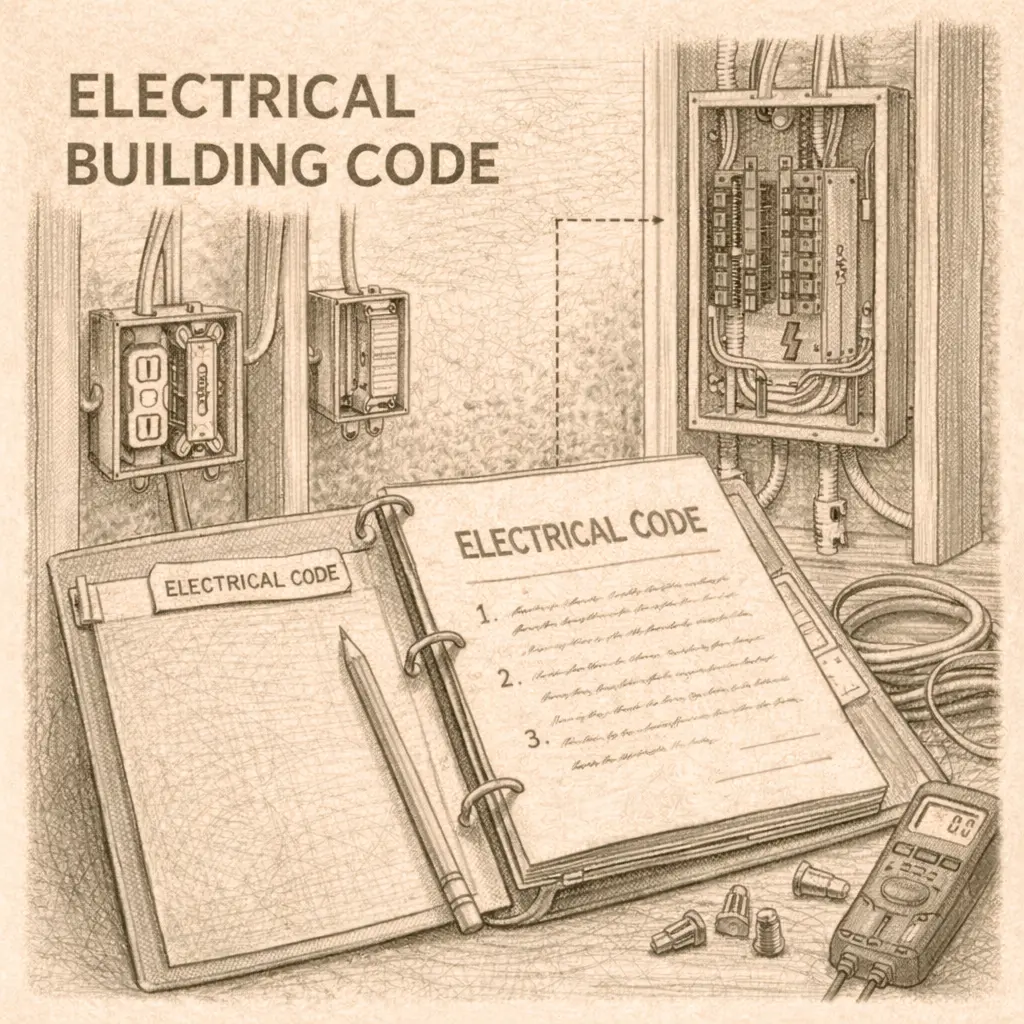
When a home is rebuilt after a loss, it often must meet current building codes, not the standards that were in place when the home was originally constructed. This can require additional work, upgraded materials, or design changes that add cost.
Dwelling coverage alone does not always pay for these upgrades. Unless the policy includes ordinance or law coverage, homeowners may be responsible for the difference between rebuilding as it was and rebuilding as required.
These costs are rarely visible before a loss, but they can be substantial once reconstruction begins.
Why assumptions about rebuilding cause problems
Many homeowners assume that if their dwelling limit seems high, it must be sufficient. Others assume that because their home is valuable, insurance will naturally scale to match.
In reality, dwelling coverage is only as accurate as the assumptions behind it. If rebuild estimates are based on outdated information, generic pricing, or incomplete details, the coverage can fall short even when it appears generous on paper.
Because these assumptions are hidden, they are rarely questioned until a loss forces them into view.
Example
A homeowner with a well maintained older home experiences a major loss. During rebuilding, contractors discover that electrical and structural systems must be upgraded to meet current code. The dwelling limit covers much of the reconstruction, but the additional required upgrades are only partially covered, leaving the homeowner responsible for the rest.
Why understanding scope matters before numbers
Before focusing on how much dwelling coverage you have, it is important to understand what that coverage is actually meant to do.
Dwelling coverage is not designed to eliminate every inconvenience or cost associated with rebuilding. It is designed to restore a structure within defined parameters. Knowing those parameters helps set realistic expectations and highlights where additional coverage or adjustments may be needed.
Understanding scope first makes later discussions about limits and endorsements far more productive.
Wrap-Up
Dwelling coverage plays a central role in recovery, but it does not operate in isolation and it does not cover everything homeowners often assume it does.
By understanding what dwelling coverage actually pays for and where its boundaries lie, you can better evaluate whether your policy reflects the reality of rebuilding your home today. That understanding also sets the stage for examining how different types of replacement coverage behave when costs rise or rebuilding becomes more complex.
In the next article, we will look at replacement cost, extended replacement, and guaranteed coverage, and why the differences between them matter far more than most homeowners realize.