The Effect of Demand Surge on Temporary Housing, Rentals, and Price Gouging After a Disaster

When a major disaster strikes—such as a wildfire, hurricane, or flood—one of the immediate concerns for displaced residents is securing temporary housing. Demand for rental units, hotel rooms, and short-term leases skyrockets as thousands of people are suddenly in need of shelter. This demand surge creates a ripple effect, driving up prices for temporary housing and sometimes leading to price gouging, further straining already struggling families.
This Rallyback article explores the impact of demand surge on temporary housing markets, how price gouging affects renters and displaced homeowners, and what can be done to mitigate these issues in the wake of a disaster.
How Demand Surge Affects Temporary Housing After a Disaster
After a disaster, entire communities may be left uninhabitable due to destroyed homes, contaminated water supplies, or ongoing safety hazards. Demand surge affects temporary housing in several ways:
1. Shortage of Available Rentals
Displaced residents, insurance companies, aid organizations, and government agencies all compete for available rental units, causing severe housing shortages.
Many homeowners with damaged but livable homes seek alternative housing while making repairs, adding to demand.
Investors and opportunistic landlords may take units off the long-term market to convert them into short-term rentals, further reducing supply.
2. Increased Rental Prices
As demand outpaces supply, rents can double or even triple overnight.
Monthly lease rates may spike due to increased competition, leaving displaced families with limited affordable options.
Short-term rentals (e.g., Airbnb, VRBO) see significant price increases, as both homeowners and relief workers seek accommodations.
3. Rising Hotel Costs
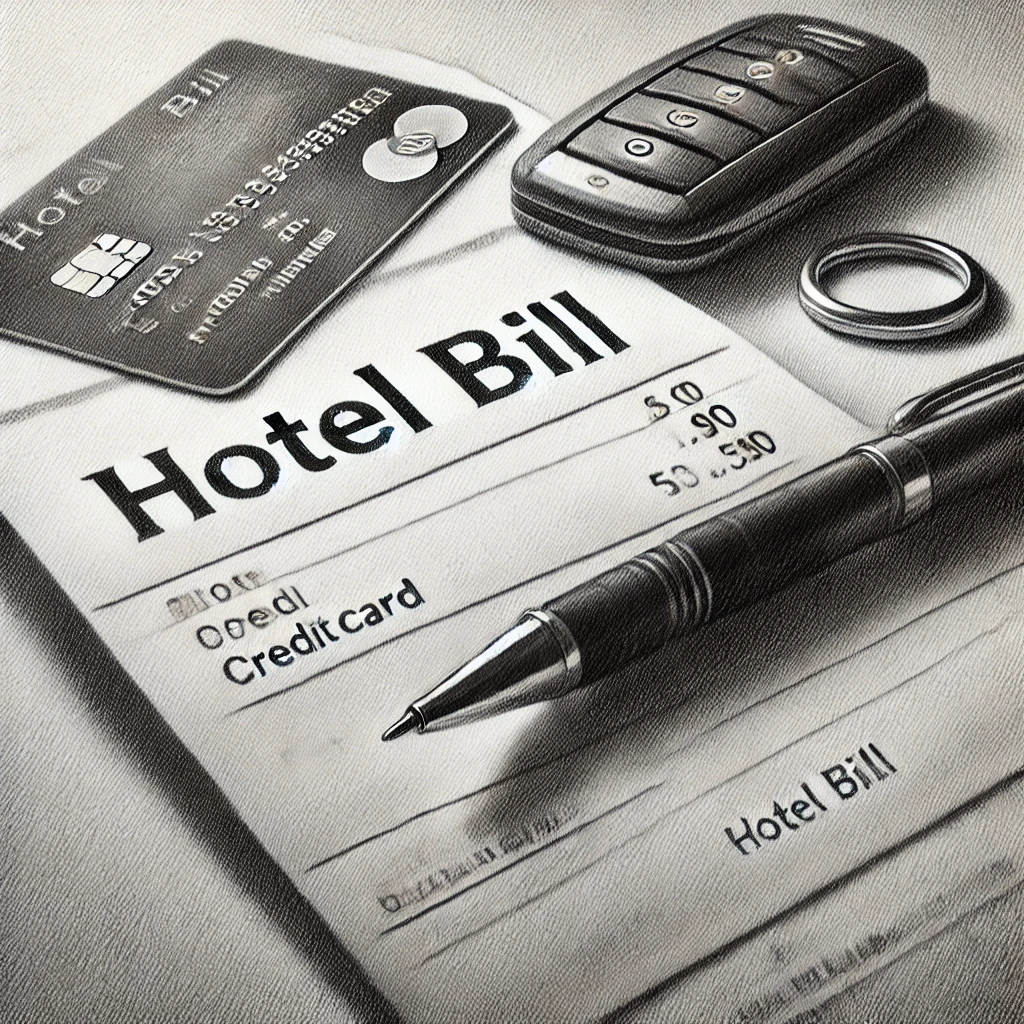
Hotels often serve as immediate shelter options, but demand surge leads to increased nightly rates.
Some hotels stop honoring discounted rates or government contracts in favor of higher-paying short-term guests.
Families reliant on insurance-covered hotel stays may find their coverage limits exhausted faster due to inflated rates.
4. Impact on Insurance Coverage for Temporary Housing
Many Homeowners Insurance policies include Additional Living Expenses (ALE) coverage, which pays for temporary housing while repairs are made.
However, ALE benefits may not account for price spikes caused by demand surge, forcing homeowners to pay out-of-pocket once their Policy Limits are reached.
Delays in rebuilding due to labor and material shortages further extend displacement periods, causing financial strain.
Price Gouging in Temporary Housing After a Disaster
Price gouging—the practice of raising prices to exploit high demand—can be a significant issue in disaster-stricken areas. While some price increases are due to natural market forces, others are deliberate profiteering that takes advantage of vulnerable people.
1. Common Forms of Price Gouging
Excessive Rent Increases: Landlords dramatically raise rent prices, sometimes evicting existing tenants to re-rent at a much higher rate.
Hotel Price Spikes: Some hotels cancel reservations to charge disaster victims inflated rates.
Short-Term Rental Manipulation: Online platforms like Airbnb see prices surge as supply shrinks and demand grows.
2. Legal Protections Against Price Gouging
Many states have anti-price gouging laws that limit how much landlords and businesses can increase prices during a disaster:
California: Limits rent increases to no more than 10% after a disaster declaration.
Texas: Bans excessive price hikes on necessities, including housing.
Florida: Enforces price controls during emergencies to prevent gouging.
How to Report Price Gouging:
Homeowners and renters can report price gouging to state attorneys general offices.
Websites like consumer protection agencies track reports and take legal action against offenders.
Strategies to Reduce Housing Costs During Demand Surge
While demand surge and price spikes are inevitable after a disaster, homeowners and renters can take steps to mitigate financial strain:
1. Secure Temporary Housing Early
If evacuating, book hotels or rentals as soon as possible before prices increase.
Contact relatives, friends, or community networks for housing options.
2. Verify Insurance Coverage
Check your Additional Living Expenses (ALE) Policy limits and request extensions if repairs take longer than expected.
If possible, negotiate direct payments between insurers and hotels/landlords to avoid out-of-pocket expenses.
3. Consider Alternative Housing Options
Explore extended-stay hotels or corporate housing, which may offer lower rates for long-term stays.
Check FEMA housing assistance programs, which provide rental aid and transitional shelter options.
4. Advocate for Local & Government Intervention
Work with local officials to enforce price gouging laws.
Support emergency housing policies, such as temporary rent freezes for displaced residents.

The Role of Government in Preventing Housing Shortages
Federal, state, and local governments can take proactive measures to prevent demand surge from severely impacting temporary housing:
1. Expanding FEMA Housing Assistance
FEMA’s Transitional Shelter Assistance (TSA) program helps disaster victims stay in hotels while searching for long-term housing.
Expanding access to manufactured housing units (MHUs) and rental assistance programs can ease housing shortages.
2. Emergency Rent Control Measures
Temporary rent caps in disaster zones can prevent excessive rent increases.
Local governments can limit evictions of long-term tenants post-disaster.
3. Investing in Emergency Housing Infrastructure
Modular homes and temporary housing units can be pre-positioned in disaster-prone areas.
Utilizing vacant buildings (e.g., former hotels, dormitories) can provide temporary shelter for displaced residents.
Case Studies: Demand Surge in Past Disasters
Looking at past disasters can help us understand how demand surge has played out and what strategies have worked.
1. Hurricane Katrina (2005)
Rent in New Orleans doubled after Katrina due to extreme housing shortages.
FEMA trailer programs were slow to roll out, leaving many in prolonged displacement.
Lesson learned: Expanding pre-disaster housing options can ease demand surge.
2. Hurricane Harvey (2017)
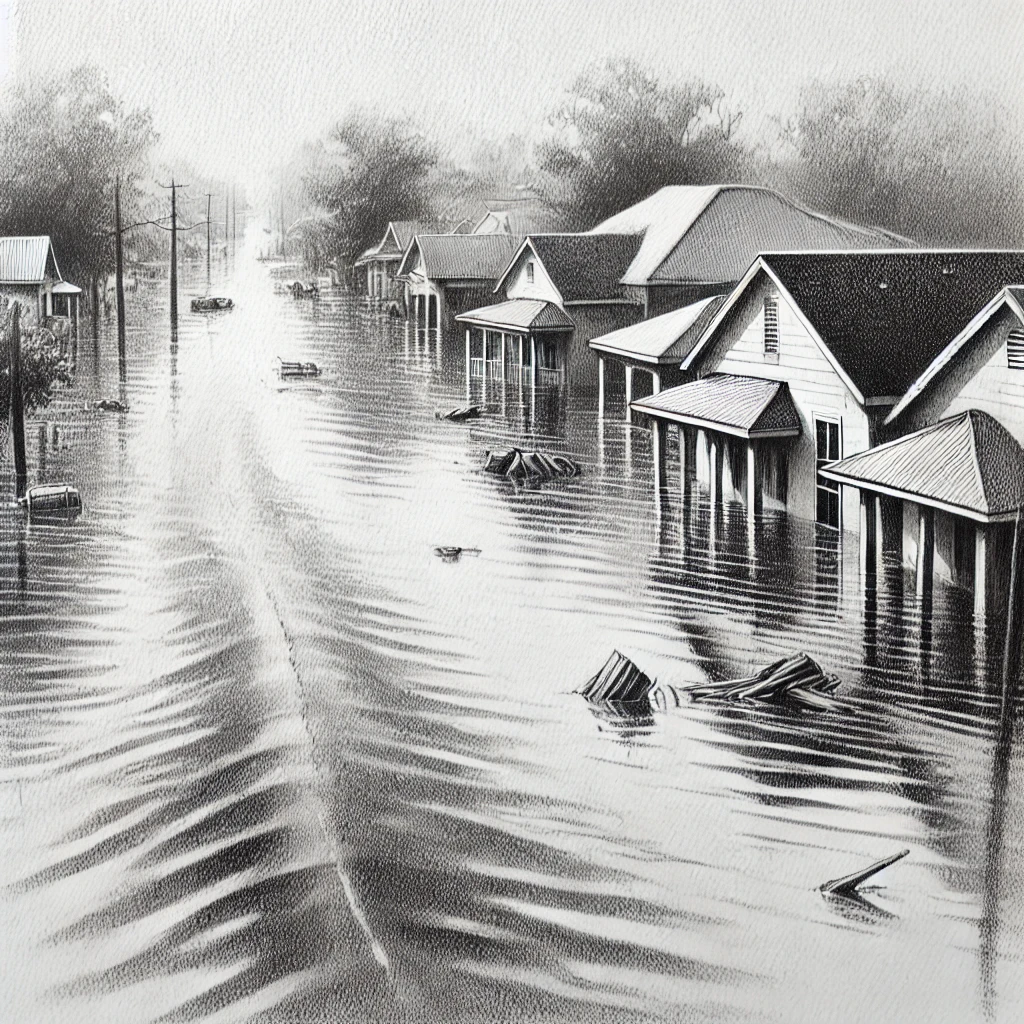
Massive flooding in Houston displaced hundreds of thousands, leading to rapid rent spikes.
Short-term rentals tripled in price, forcing many to leave the region.
Lesson learned: Better price-gouging enforcement is needed.
3. California Wildfires (2018-2019)
The Camp Fire destroyed over 18,000 structures, leaving thousands of survivors in search of housing.
Rents in surrounding cities jumped 50-100% within weeks.
Lesson learned: Developing affordable emergency housing reserves can help prevent extreme price inflation.
Wrap-Up
Demand surge in temporary housing is a predictable outcome after a disaster, but proactive planning and strong regulations can minimize its impact. Homeowners and renters should ensure adequate insurance coverage, act quickly to secure housing, and report price gouging when necessary. Meanwhile, governments must strengthen emergency housing policies to protect displaced residents and stabilize rental markets.
By learning from past disasters and improving disaster preparedness, communities can mitigate the effects of demand surge and help residents recover faster without facing crippling financial burdens.
Resources for Homeowners & Renters
FEMA Housing Assistance: FEMA.gov
National Low Income Housing Coalition (NLIHC): nlihc.org
State Attorney General Offices for Price Gouging Complaints: usa.gov/state-attorney-general
Consumer Financial Protection Bureau (CFPB) Housing Protections: consumerfinance.gov