The Causes of Demand Surge in a Disaster
Natural disasters can devastate communities, causing widespread damage to homes, businesses, and infrastructure. In the aftermath of such events, one of the most significant economic challenges faced by disaster-affected areas is demand surge—a sharp increase in the cost of labor, materials, and services due to heightened demand.
Understanding the causes of demand surge can help homeowners, businesses, and policymakers prepare for and mitigate its impacts.
What is Demand Surge?
Demand surge refers to the rapid escalation in prices following a disaster, driven by the overwhelming demand for resources needed for recovery and rebuilding. The surge affects everything from construction materials and skilled labor to essential services like Debris Removal and temporary housing. This phenomenon can significantly delay recovery efforts, increase financial strain, and exacerbate economic disparities in affected communities.
Primary Causes of Demand Surge
1. Widespread Property Damage
The sheer scale of destruction following disasters like hurricanes, wildfires, floods, or earthquakes creates a sudden demand for repairs and rebuilding:
Simultaneous Repairs: When thousands of homes, businesses, and public facilities require repairs at the same time, resources are stretched thin.
Intensive Rebuilding Needs: Disasters often destroy infrastructure, such as roads, utilities, and bridges, adding to the demand for construction services.
Example: After Hurricane Harvey in 2017, widespread flooding in Houston created a significant demand for Drywall, lumber, and skilled contractors, leading to price spikes.
2. Supply Chain Disruptions
Disasters often disrupt supply chains, making it more difficult to source and transport materials:
Infrastructure Damage: Roads, railways, and ports may be damaged, delaying deliveries of essential materials.
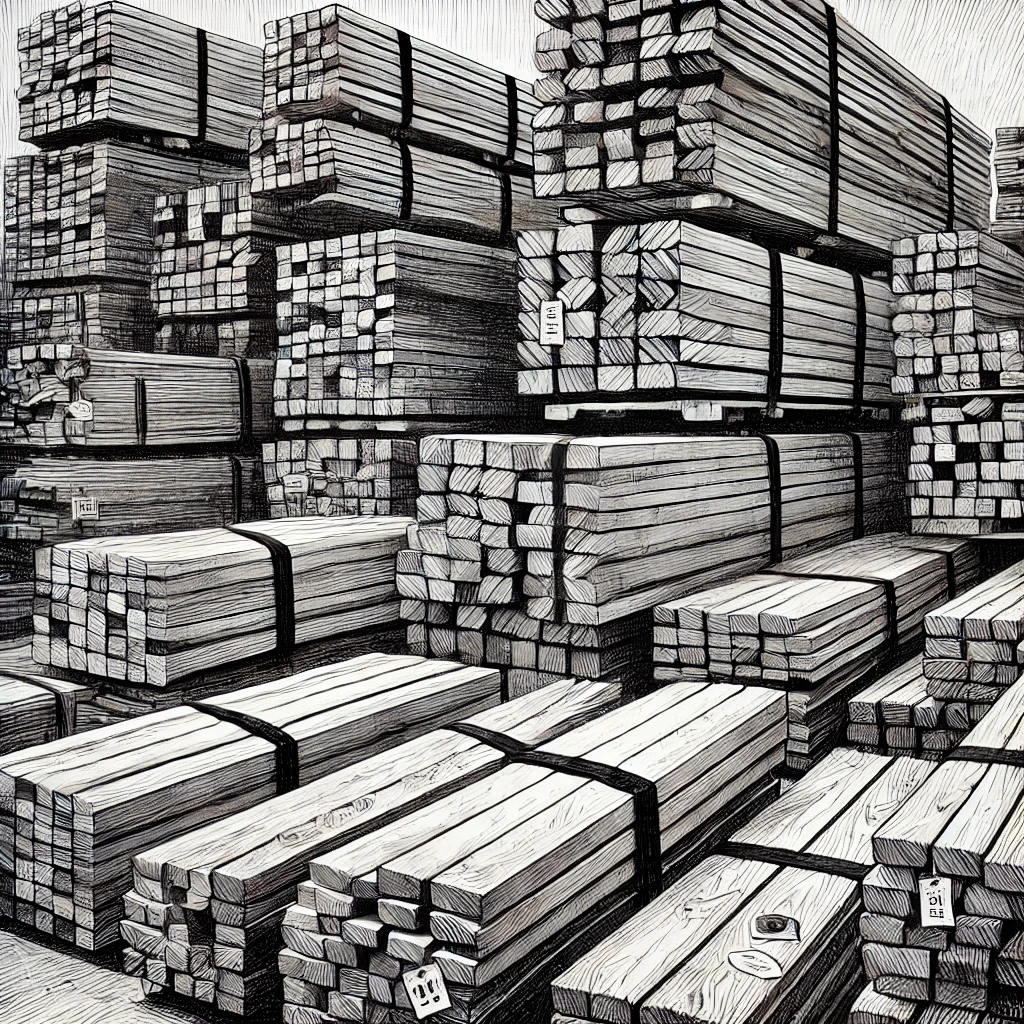
Production Interruptions: Factories producing construction materials, such as lumber mills or Concrete plants, may be damaged or shut down temporarily.
Increased Transportation Costs: Limited access to disaster zones can drive up the cost of transporting goods, further inflating prices.
Example: The 2021 Texas winter storm disrupted supply chains for Plumbing supplies, causing shortages and price increases for pipes and fittings needed to repair burst pipes.
3. Labor Shortages
The demand for skilled workers—such as contractors, electricians, plumbers, and roofers—often exceeds the local supply after a disaster:
Out-of-State Labor Costs: Contractors from outside the region are often brought in to meet demand, but their services come with added costs for travel, lodging, and per diem.
Local Labor Saturation: Skilled local workers may be booked for months, leading to delays and higher wages for those who can work immediately.
Example: Following Hurricane Katrina in 2005, labor shortages in New Orleans led to a dramatic increase in wages for construction workers and prolonged rebuilding timelines.
4. Urgency and Competition
Disasters create an environment of urgency, where homeowners, businesses, and public agencies all compete for limited resources:
Homeowners vs. Businesses: Both residential and commercial properties require repairs, increasing competition for materials and labor.
Public vs. Private Needs: Government recovery efforts for public infrastructure can strain resources needed for private rebuilding.
Seasonal Pressures: In some cases, the timing of the disaster can exacerbate urgency. For example, winter storms may force homeowners to secure repairs before freezing conditions worsen the damage.
Example: After the 2018 Camp Fire in California, thousands of homeowners competed for contractors and materials to rebuild before the next wildfire season, intensifying demand.
5. Inflationary Effects
Disasters can contribute to localized or even national inflation in the cost of goods and services:
Price Gouging: In some cases, unethical suppliers or contractors take advantage of the situation by raising prices far beyond market value.
Global Market Pressures: Disasters that affect large supply hubs, such as ports or industrial regions, can lead to broader price increases for building materials.
Example: The COVID-19 pandemic compounded demand surge effects during disasters in 2020 and 2021, as global supply chain issues and labor shortages drove up the cost of materials like lumber and Steel.

6. Delayed Recovery Funding
Access to funding for disaster recovery can also drive demand surge:
Insurance Payouts: When insurance claims are processed and paid out, large sums of money enter the local economy, driving up demand for repairs.
Federal Aid Delays: Delays in federal disaster aid can create a bottleneck, with many repairs and rebuilds starting simultaneously when funds are finally disbursed.
Example: FEMA aid for Hurricane Sandy in 2012 was delayed for several months, causing a surge in demand for contractors and materials once funding became available.
Secondary Effects of Demand Surge
Demand surge doesn’t only affect homeowners and businesses; it also has broader economic and social impacts:
Prolonged Recovery Timelines: Limited resources and higher costs can delay rebuilding efforts, leaving communities in limbo for years.
Displacement of Residents: Rising costs for temporary housing and construction can force families to relocate, sometimes permanently.
Economic Inequality: Low-income homeowners and renters are disproportionately affected by demand surge, as they may lack the financial resources to compete for scarce services.
Additional Resources
FEMA: Learn about disaster preparedness and recovery programs. Visit FEMA.gov.
Insurance Information Institute (III): Offers guidance on securing adequate insurance coverage for disasters. Visit III.org.
National Association of Home Builders (NAHB): Provides insights into building material markets and disaster recovery efforts. Visit NAHB.org.
Wrap-Up
Demand surge is a complex and inevitable consequence of natural disasters, driven by widespread damage, disrupted supply chains, labor shortages, and urgency. While it poses significant challenges for communities, understanding its causes can help homeowners, businesses, and policymakers prepare more effectively.