Lifestyle Risks That Increase Exposure: How everyday choices quietly change liability risk
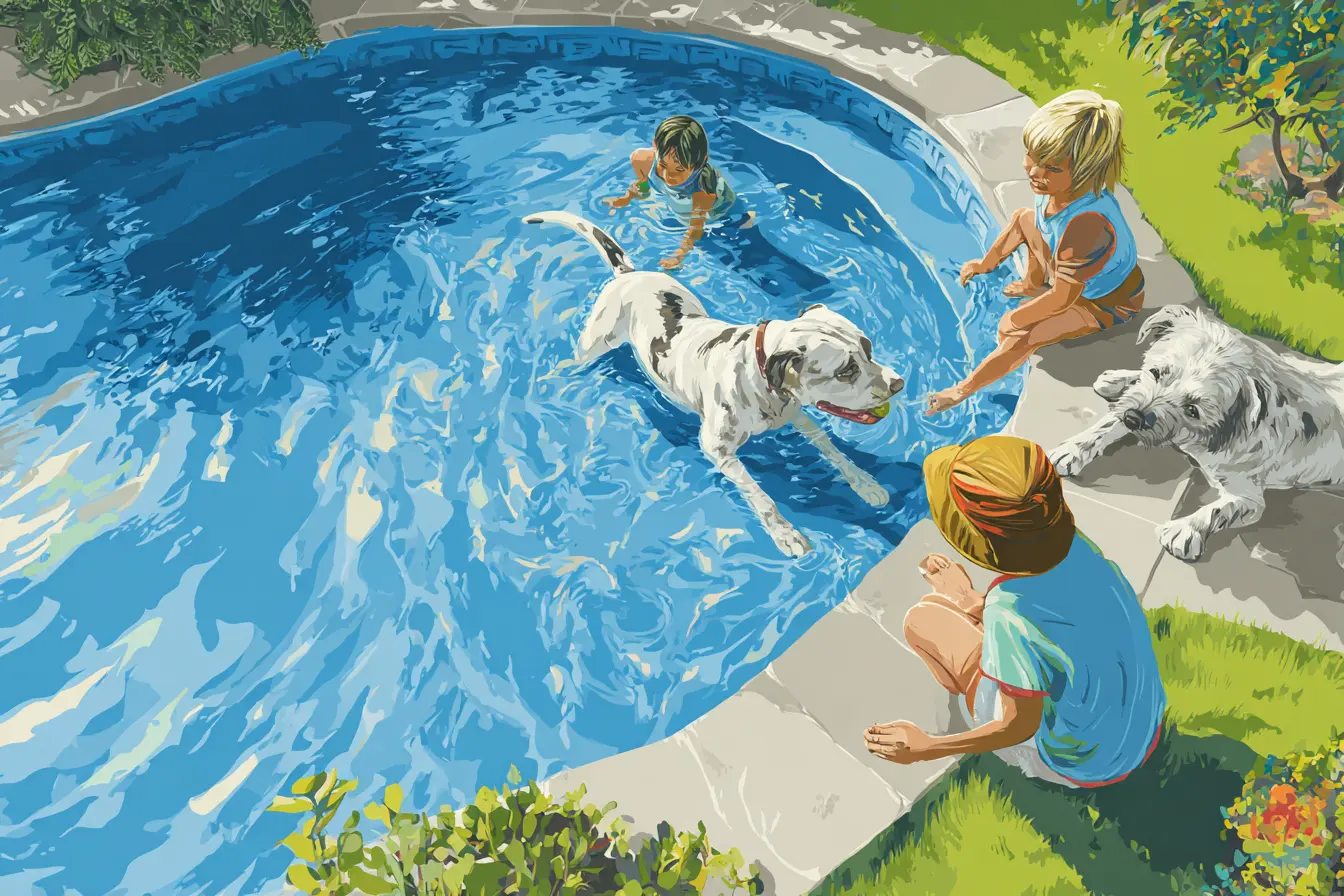
Liability risk is rarely driven by dramatic or unusual behavior.
More often, it grows out of ordinary lifestyle choices that feel completely normal day to day. These choices shape how people interact with your property, how often others are present, and how responsibility may be assigned if something goes wrong. Because they develop gradually, they are easy to overlook during insurance reviews.
Understanding these lifestyle driven risks helps explain why liability exposure can change even when nothing about the home itself does.
Pools and outdoor amenities change risk dynamics
Pools, hot tubs, trampolines, and similar amenities naturally attract people.
They also introduce higher injury risk, particularly for guests and children. Even when well maintained and used responsibly, these features increase exposure simply because of how they are used.
Insurance policies often assume basic household risk. When amenities introduce higher risk activity, liability limits that once felt adequate may no longer reflect reality.
Pets create responsibility beyond intention
Pets are family members, but they also create liability exposure.
Even well trained animals can behave unpredictably. Dog bites and related injuries are among the most common liability claims homeowners face. Certain breeds, sizes, or histories may increase scrutiny, but any pet can introduce risk.
Because pets are part of daily life, their impact on liability coverage is often underestimated.
Hosting and frequent guests increase exposure
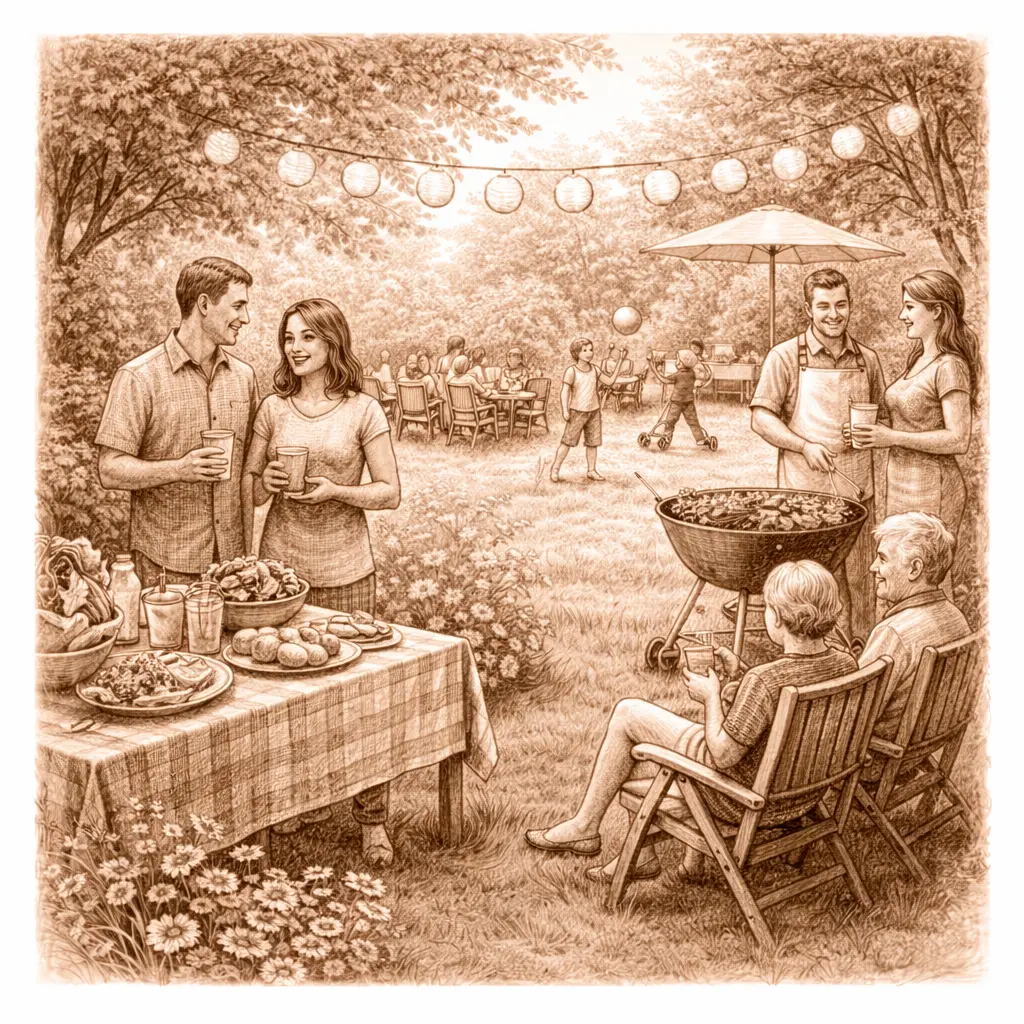
Homes that regularly host guests experience more liability exposure than those that do not.
Gatherings, overnight stays, and frequent visitors increase the likelihood of accidents. Slips, falls, and injuries are more likely simply because more people are present.
This does not mean hosting is unsafe. It means that patterns of use influence risk, even when everything feels routine.
Rental activity shifts responsibility
Renting out a home or part of a home changes liability dynamics significantly.
Tenants, guests, and short term renters introduce different expectations around responsibility and maintenance. Liability claims in rental situations can be more complex, especially when multiple parties are involved.
Homeowners who rent occasionally may not realize that standard policies are structured primarily for Owner Occupied use.
Home businesses blur personal and professional risk
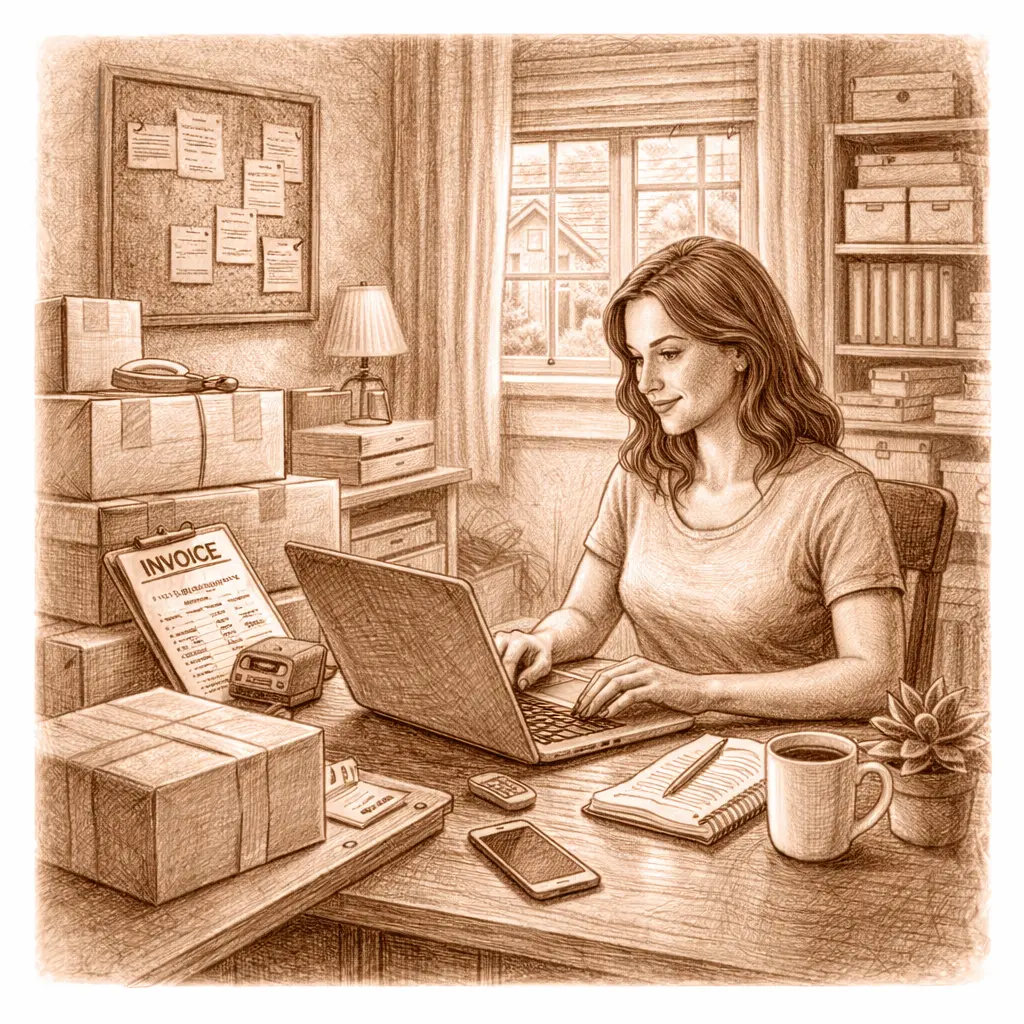
Working from home is increasingly common, but it can complicate liability coverage.
Business related equipment, visitors, or activities may fall outside standard homeowners liability provisions. Injuries related to business activity can trigger coverage questions that homeowners do not anticipate.
As work and home continue to blend, this area deserves particular attention.
Why these risks often go unnoticed
Lifestyle risks are easy to miss because they feel normal.
Pools, pets, guests, rentals, and home offices become part of routine life. Without a specific reason to review coverage, these changes rarely prompt adjustments to liability limits or structure.
Insurance, meanwhile, continues operating on assumptions that may no longer apply.
Managing exposure without overreacting
Recognizing lifestyle risks does not require eliminating them.
The goal is not to change how you live, but to understand how choices affect exposure and whether coverage aligns with that reality. In many cases, adjusting limits or adding complementary coverage is enough to address the change.
Awareness allows decisions to be made intentionally rather than reactively.
Wrap-Up
Lifestyle choices shape liability risk in quiet but meaningful ways.
Pools, pets, guests, rental activity, and home businesses all influence exposure, even when they feel like ordinary parts of life. Understanding how these factors interact with insurance coverage helps explain why liability needs evolve over time.
In the next and final article of this chapter, we will bring these ideas together and outline signs that other structures or liability coverage may be underinsured.