How Life Changes Quietly Create Gaps: Why reasonable decisions over time can leave coverage behind
Most coverage gaps do not appear overnight.
They develop slowly, through a series of reasonable and often positive life changes. A renovation here. A growing family there. New hobbies, new technology, new routines. None of these moments feel like insurance events, and that is exactly why they matter.
Insurance policies tend to stay static while life moves forward.
Homes evolve, policies often do not
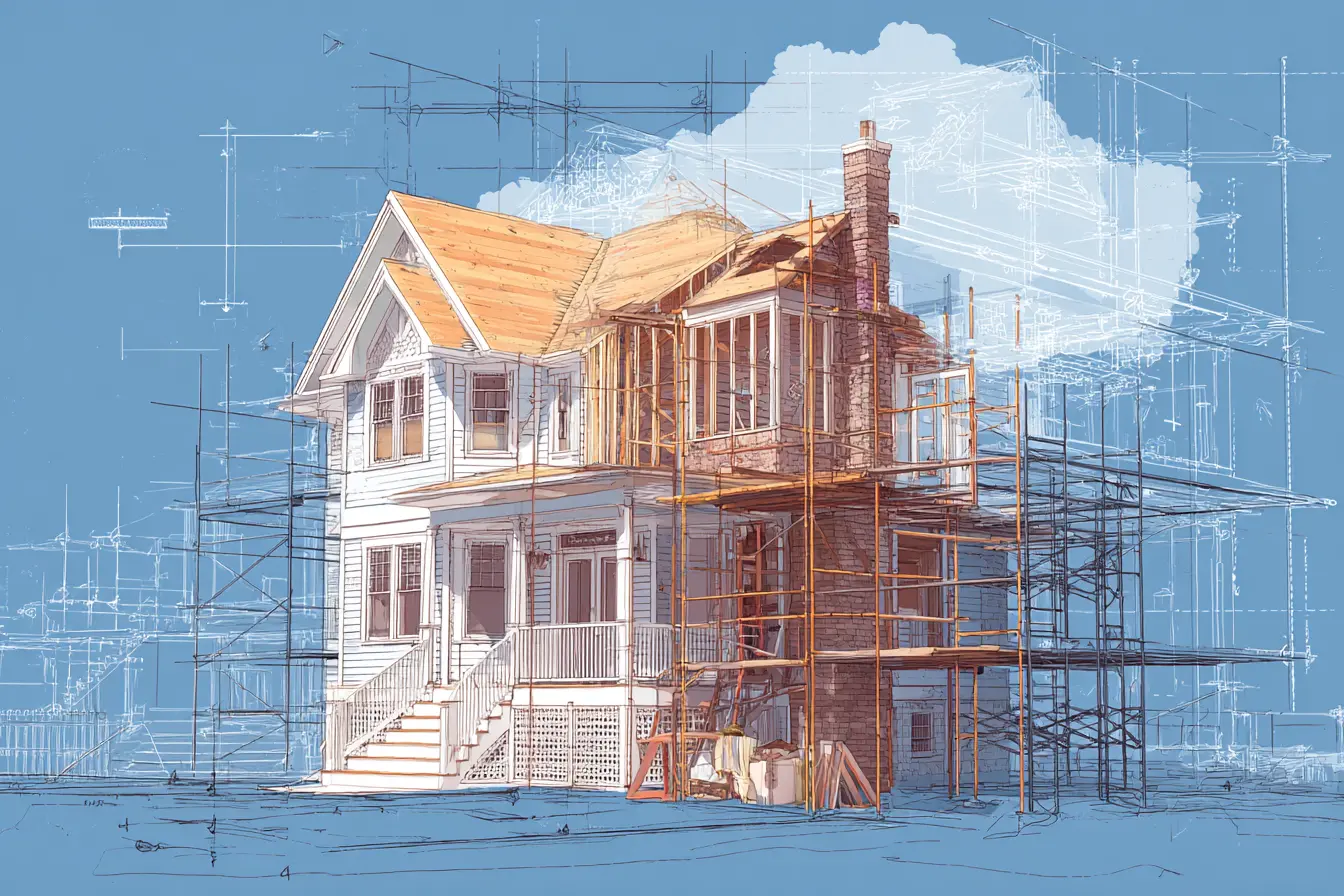
Very few homes stay exactly the same for long. Kitchens are remodeled. Bathrooms are updated. Flooring is replaced. Windows are upgraded. Storage spaces fill in over time with items that reflect how a family actually lives.
Each of these changes increases the complexity and cost of rebuilding the home, yet many policies continue to rely on the assumptions that were made when coverage was first set up. Unless those changes are actively revisited, the Policy quietly begins to reflect an older version of the home.
This is not a failure to plan. It is simply how life unfolds.
Example
Over the course of ten years, a homeowner replaces flooring throughout the house, upgrades the kitchen, and remodels two bathrooms. The home feels refreshed and functional, but the dwelling limit only increases modestly at renewal. When rebuilding estimates are later calculated, they reflect the upgraded finishes, while the policy still reflects the original assumptions.
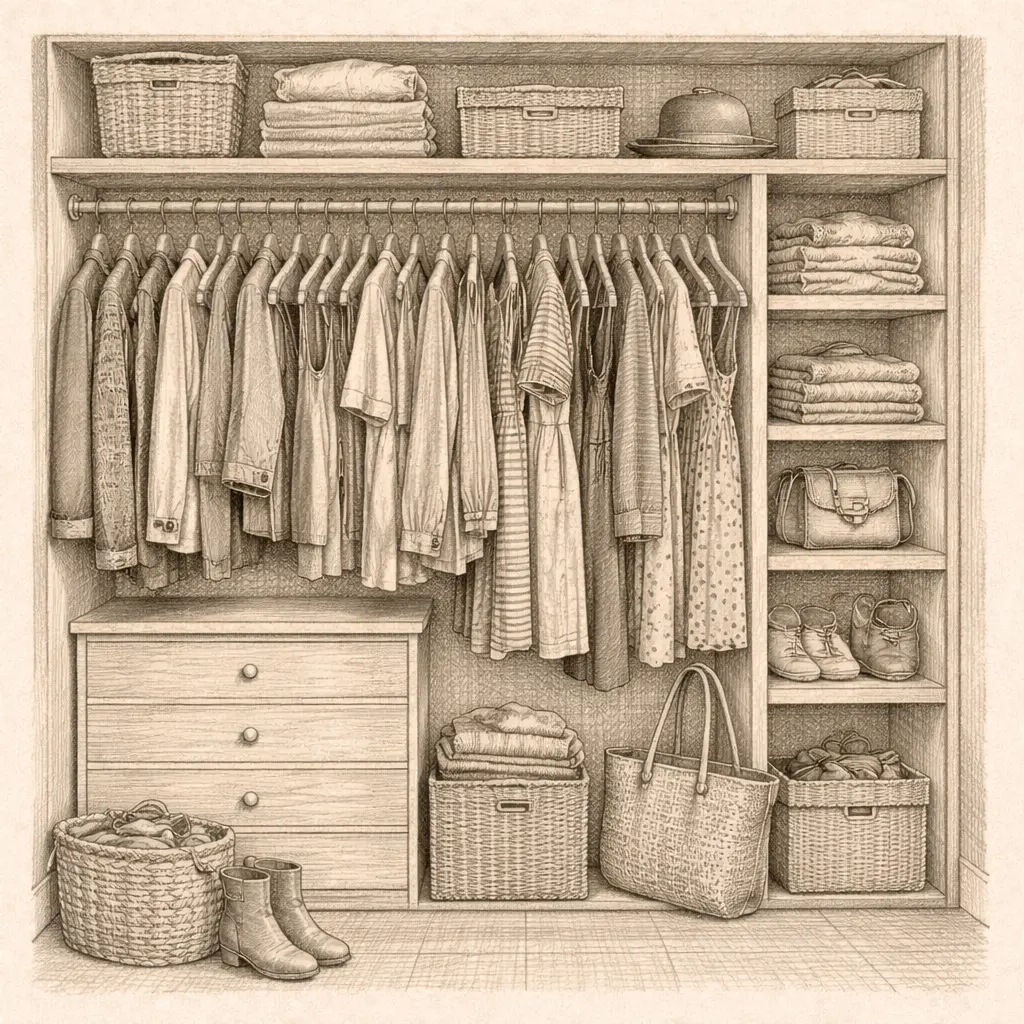
Belongings accumulate faster than people realize
Personal Property is one of the most underestimated areas of coverage because it grows invisibly.
Furniture is replaced. Electronics improve. Clothing accumulates. Tools, sports equipment, and hobby supplies expand over time. Storage areas quietly fill with items that were never considered part of the original contents estimate.
Because these additions happen gradually, it is difficult to recognize how much replacement value has grown. When a loss occurs, homeowners are often surprised by how quickly personal property limits are reached.
Example
A family that once owned a single television now has multiple screens, computers, tablets, and smart devices throughout the home. Add years of clothing, furniture, and household goods, and replacement costs far exceed what the original personal property limit was designed to cover.
Lifestyle changes introduce new exposure
Life changes do not only affect what you own. They also affect how risk shows up.
Working from home becomes more common. Side businesses emerge. Detached studios or offices are added. Guests stay more frequently. Short term rentals appear. Each of these shifts can change how coverage should be structured, particularly for personal property, liability, and other structures.
Because these changes feel incremental and normal, they are rarely paired with a policy review.
.webp)
Costs rise even when nothing changes
Even in homes where very little changes, costs do.
Construction materials become more expensive. Labor markets tighten. Building codes evolve. Rental markets shift. These factors affect rebuild timelines and displacement costs, regardless of whether a homeowner has made any upgrades at all.
Policies that rely on small annual adjustments may not keep pace with these changes, especially during periods of disruption or regional growth.
The result is a growing gap between what coverage assumes and what recovery actually requires.
Why these gaps are easy to miss
The challenge with life driven gaps is that nothing feels wrong while they are forming.
Premiums are paid. Policies renew. Claims are rare. Without a triggering event, there is little feedback to signal that coverage is drifting out of alignment. Most homeowners do not receive regular signals telling them when assumptions need to be revisited.
By the time a loss occurs, the gap has often been years in the making.
Wrap-Up
Underinsurance is rarely caused by neglect. It is far more often the result of ordinary life unfolding while coverage remains anchored to the past.
Understanding how homes, belongings, and lifestyles change over time makes it easier to see why reviewing insurance periodically matters, even when nothing feels urgent. It also reinforces an important point. Coverage does not need to be constantly adjusted, but it does need to be revisited with intention.
With that foundation in place, our next chapter will shift from how gaps form to where they tend to matter most, starting with the true cost of rebuilding a home.