A Homeowner’s Guide to the Insurance Claims Process

What to Expect, What to Do, and How to Stay in Control
If your home has been damaged by fire, water, storm, theft, or another covered Peril, filing an insurance Claim is often the first step toward recovery. But what many homeowners don’t realize is that filing a claim is just the beginning. The process can be long, detailed, and filled with paperwork, decisions, and delays.
This guide walks you through the typical insurance claim process, explains what happens at each stage, and provides tips for staying organized, informed, and protected.
1. Report the Loss (First Notice of Loss)
The process begins when you notify your insurance company that a loss has occurred.
What to do:
Call or go online to file a First Notice of Loss (FNOL) as soon as possible.
Provide basic information: date of loss, what happened, what areas of the home were affected.
Request a claim number, which will be used to track your file.
Tip: If your loss is complex or large (like a house fire or major water damage), consider speaking to a Public Adjuster before filing so you can better understand how to present your loss.
2. Initial Contact from the Insurance Company
Within a few days, your insurance carrier will assign an adjuster to your case. You may be contacted by:
A field adjuster who visits the property
A desk adjuster who handles paperwork and payments
A claims representative who oversees communication
What to expect:
The adjuster will ask questions about the damage and your policy.
They may schedule a site visit and request photos or documents.
They might issue an initial advance payment if your home is unlivable.
Tip: Document all interactions. Keep a claims log with dates, names, and what was said. See our article about communications for more ideas too.
3. Site Inspection and Documentation
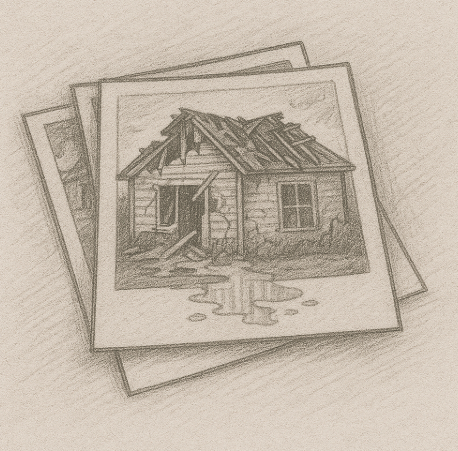
The adjuster (or an outside Vendor) will inspect the damage in person or virtually.
What to prepare:
A list of damaged items (for Personal Property claims)
Photos of the damage
Any estimates, invoices, or Contractor bids
Tip: Do not throw away damaged items until they’re documented—unless it’s for health and safety reasons.
4. Establishing Scope of Loss and Initial Estimate
After inspection, your insurer will prepare a scope of loss—an estimate of what they believe it will cost to repair or replace your property. It may include:
Dwelling coverage (structure)
Other structures (detached garage, fencing)
Personal property
Loss of Use (temporary housing, meals, extra living costs)
Debris Removal, code upgrades, or other coverage extensions
What to review:
Look at the line-by-line breakdown of the insurer’s estimate
Watch for missing areas, underpricing, or incorrect assumptions
Don’t sign a final Settlement unless you understand the numbers
Tip: This is a negotiation. You’re allowed to get your own estimates and submit them for consideration.
5. Payment and Depreciation
The insurer may make partial payments in stages:
Actual Cash Value (ACV): What the item is worth today (includes depreciation)
Replacement Cost Value (RCV): The full cost to replace, but may be paid after repairs are completed
You may receive an advance, a partial payment, or a full settlement depending on the claim type and complexity.
Tip: To recover depreciation, you’ll need to provide proof of completion or receipts for work performed. See our article about Depreciation for a complete breakdown with examples and more.
6. Tracking Expenses and Supplement Requests
As the claim progresses, you may encounter additional costs not included in the original estimate. These are called supplements and may include:
Permit fees
Code upgrades
Engineering or architectural fees
Increased labor or material costs
You’ll need to document these and submit them for reimbursement.
Tip: Use a simple spreadsheet to track every dollar received and spent. Insurers may require full accounting to release additional funds.
7. Resolving Disputes
If you disagree with the insurer’s valuation or handling of your claim:
You can request re-inspection
Submit independent estimates
Escalate your concerns to a supervisor
If there’s a significant gap in valuation, you may invoke your appraisal clause or consult a public adjuster or attorney for help. We have articles for each of these options to give you more detail and color for your particular situation.
8. Final Settlement and Closeout
Once the repairs are completed, and all supplemental costs have been submitted, the insurer may offer a final payment and request a release of further liability.
Read everything carefully. Once you sign, the claim is typically considered closed.
Tips to Protect Yourself Throughout the Process
Communicate in writing whenever possible
Keep everything organized: claim log, estimate folder, receipts, photos
Be proactive: don’t wait for your insurer to ask for documentation
Escalate professionally: if you're not getting results, ask for a supervisor
Know your policy: coverage limitations, exclusions, and deadlines matter
Get help when needed: licensed public adjusters and insurance attorneys can offer expert support
Wrap-Up
The Homeowners Insurance claim process can take months—and large losses can stretch beyond a year. You don’t need to be an insurance expert, but you do need to stay organized, informed, and involved. The more clearly you can prove what you’re owed, the smoother your recovery will be.