A Homeowner’s Guide to Communicating During a Large Insurance Claim

How to Stay Organized, Professional, and Proactive Throughout the Recovery Process
When your home suffers major damage and you’re navigating a large insurance claim, it’s not just about rebuilding—it’s about managing months (or even years) of complex communication. The process can feel overwhelming, especially when the stakes are high and emotions are raw.
Your insurance company is a business. Their goal is to manage costs. Your goal is to recover fully. To protect your interests, you need to approach this process strategically, communicate effectively, and document everything. This guide offers practical communication tips that will help you stay organized, assertive, and informed throughout your claim.
Reframe the Relationship: It’s a Business Negotiation
After a disaster, it’s easy to confuse politeness for partnership. But even the nicest claim adjuster represents the insurer—not you. You are in a business negotiation. Stay grounded in that fact.
Be cooperative, not passive
Be polite, not overly trusting
Be clear and confident, not confrontational
Keep it professional, not personal
Avoid venting emotions about the disaster to your insurer. Save that space for a trusted friend, therapist, or recovery advocate.
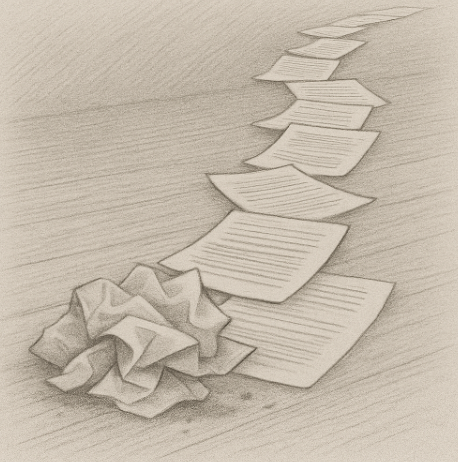
Keep a Detailed Paper Trail
The most successful claims are those backed by clear documentation. You'll likely deal with multiple people at different stages. Names will change. Decisions will evolve. Your memory won't be enough.
Use a claim diary or log to record:
Dates of calls, emails, and meetings
Names, roles, and contact information of everyone you interact with
What was said, promised, or requested
Deadlines and outcomes
Follow up on phone calls and in-person conversations with a short confirmation email:
“Thanks for our conversation earlier. As I understand it, you confirmed [details]. Please let me know if I misunderstood.”
These emails serve as a timestamped, written record. That trail becomes critical if delays or disputes arise later.
Be Proactive with Your Claim
Don’t sit back and wait for your insurance company to tell you what you’re owed. Instead:
Submit proof of your losses early
Request specific payments tied to coverage categories
Track projected costs (estimates, bids, contracts)
Track incurred costs (receipts, invoices, paid fees)
Map expenses to Policy buckets (Dwelling, Contents, Loss of Use, etc.)
Organize all paperwork from day one. If you receive an advance payment, you’ll need to show where and how you applied it. Insurers expect full accountability.
Write Clearly and Strategically
When requesting payments or approvals, your written communications should:
Explain what you need
Provide supporting documents
Reference your policy (if applicable)
Set a response deadline (e.g., “Please reply within 10 business days”)
Use formal tone and proper formatting. Send important letters by certified mail and follow up with a phone call to confirm receipt.
Avoid long, emotional, or threatening messages. Keep it concise and professional. You want to be seen as the reasonable party putting the insurer on notice—not the angry claimant they want to avoid.
Don’t Confuse Friendliness for Advocacy
Insurance company representatives are trained to be personable—but that doesn’t mean they’re working in your best interest. Keep your conversations factual, not emotional. Be aware that everything you say or write may be logged in your claim file.

Common Pitfalls to Avoid
Don’t inflate or pad your claim
Don’t sign legal documents (including NDAs or releases) without legal review
Don’t accept verbal promises—get everything in writing
Don’t ignore unreasonable denials or delays—document and escalate
Don’t burn bridges unnecessarily—stay composed even when frustrated
How to Escalate Effectively
Insurance companies are hierarchical. Each representative has a limited dollar authority. If you’re getting nowhere with an adjuster, escalate—politely and with documentation.
Typical chain of command:
Adjuster
Supervisor
Unit Manager
Claims Manager
Regional Claims Executive
Home Office Claims
Escalation works best when paired with a clear written summary of your concern, supporting documents, and a reasonable deadline for resolution.
When to File a Complaint
If your claim is delayed, undervalued, or ignored—even after escalation—filing a complaint with your state’s insurance department can be highly effective. Insurers tend to take formal complaints seriously. In many cases, they respond quickly to avoid scrutiny.
That said, if the dispute involves coverage issues or large dollar amounts, state regulators may not be able to resolve it fully. At that point, you may want to consult with a Public Adjuster or an insurance attorney.
Know When to Get Help
If your claim is stalled, complicated, or contested, don’t go it alone. You may benefit from:
A licensed public adjuster
An attorney who specializes in insurance law
A third-party advocate or claims consultant
These professionals can help prepare documentation, negotiate with your insurer, and identify coverage that may be overlooked.
Wrap-Up: Be Polite. Be Prompt. Be Persistent.
A large claim is rarely simple or quick. It will test your patience and organization. But you can protect yourself—and improve your chances of a fair settlement—by treating the process like what it is: a business negotiation that requires persistence, professionalism, and planning.
Start with a clear system. Track everything. Follow up. Escalate when needed. And don’t be afraid to get help.