Why Time Matters More Than the Dollar Amount: How rebuild timelines quietly determine whether ALE holds up

When homeowners review Additional Living Expense coverage, the first thing they usually look for is the dollar amount.
That instinct makes sense. Insurance limits are expressed in numbers, and larger numbers feel safer. But with ALE, the dollar limit often tells only part of the story. In practice, time is frequently the more decisive constraint, and it is the one most likely to be underestimated.
Living expenses accumulate gradually but relentlessly. Every extra week of displacement matters.
Displacement almost always lasts longer than expected
Most rebuild timelines are optimistic at the outset.
Initial estimates assume steady progress, timely permits, and readily available contractors. In reality, rebuilding is a sequence of dependencies. Design decisions take time. Permits can stall. Trades must be scheduled in the right order. Materials may be delayed or substituted.
Each delay adds days or weeks, and those weeks translate directly into additional living expenses. Even modest schedule slips can meaningfully extend displacement.
This is why ALE often feels sufficient at the beginning of a claim and strained toward the end.

Time limits can end coverage before money runs out
Many ALE provisions include an explicit time limit, commonly twelve or twenty four months.
When a time limit applies, coverage can end even if money remains available. This catches many homeowners off guard, particularly when rebuilding is progressing but not complete.
Time limits are intended to encourage timely repair, but they do not always align with real world rebuilding conditions, especially after large events or in complex projects.
Understanding whether a time limit exists is just as important as knowing the dollar amount.
The compounding effect of delays
Delays do not just extend displacement. They increase cost per month as well.
Temporary housing becomes harder to find the longer displacement lasts. Short term rentals give way to longer arrangements. Storage costs persist. Commuting distances may increase. Even small inefficiencies add up when multiplied over many months.
This compounding effect means that ALE can be consumed faster toward the end of a rebuild than at the beginning, even if monthly expenses appear stable.
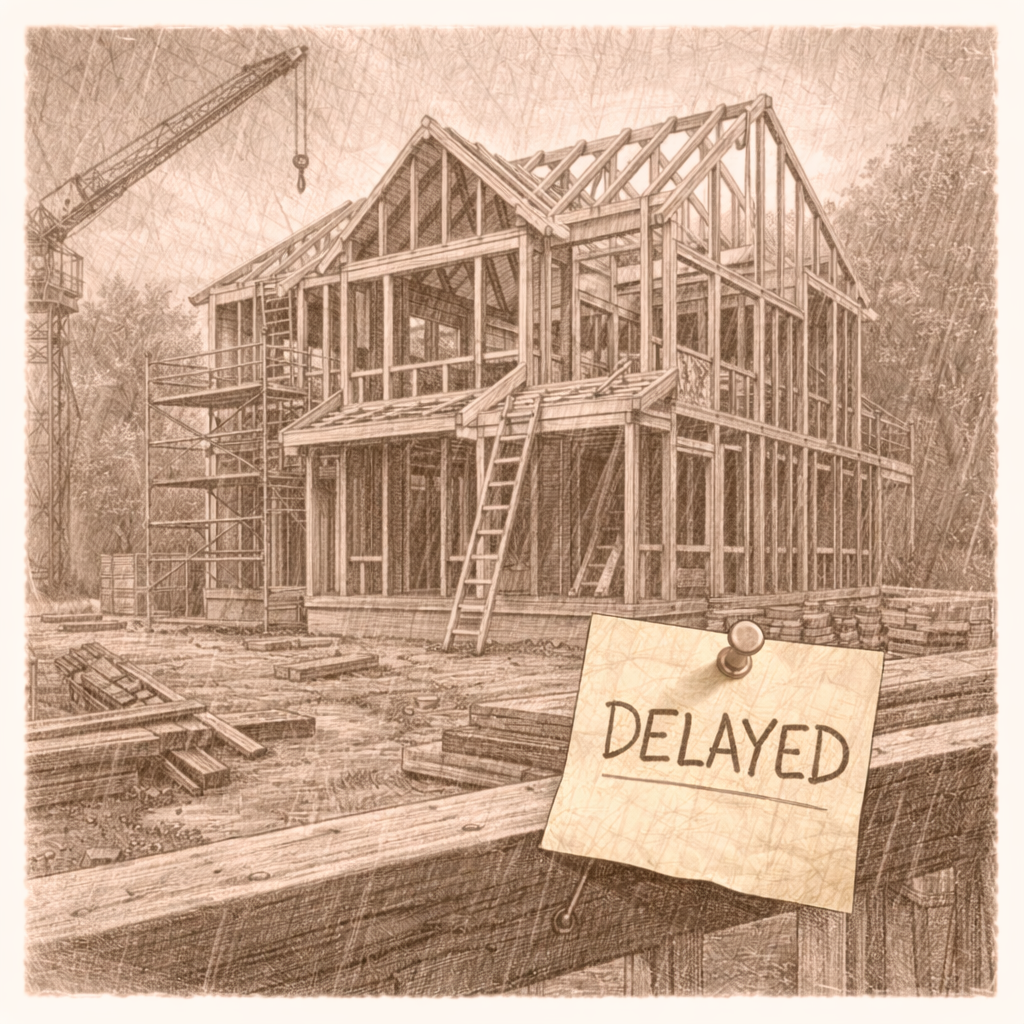
Why rebuild timelines stretch
Rebuilding a home involves more than construction.
Design decisions, insurance approvals, inspections, and coordination between multiple parties all influence timing. Changes in scope often occur once work begins. Code requirements may add steps. Contractor availability can shift unexpectedly.
None of these factors are unusual. Together, they explain why rebuilding often takes significantly longer than homeowners anticipate.
When timelines stretch, ALE absorbs the impact.
Why planning for time feels abstract
It is difficult to plan for time because it is less tangible than cost.
Homeowners can picture rent and utilities. It is harder to imagine what twelve or eighteen months of temporary living actually feels like or costs in practice. Without that perspective, ALE limits can feel generous when they are not.
This abstraction is one of the reasons time constraints are overlooked during Policy reviews.
How timing affects different households differently
The impact of extended displacement varies by household.
Families with children, pets, or special needs may have fewer housing options. Proximity to work or school may limit where temporary housing is feasible. These constraints can increase both cost and time, even when rebuilding itself is straightforward.
Time pressure affects not just budgets, but daily routines and quality of life.
Wrap-Up
With Additional Living Expense coverage, time often determines whether coverage holds up more than the dollar amount alone.
Displacement usually lasts longer than expected, delays compound, and time limits can end coverage before rebuilding is complete. Understanding how timelines shape ALE outcomes helps explain why this coverage is so often strained during recovery.
In the next article, we will look more closely at how temporary housing and day to day displacement costs add up faster than homeowners expect.