Understanding the difference between having insurance and having enough of it
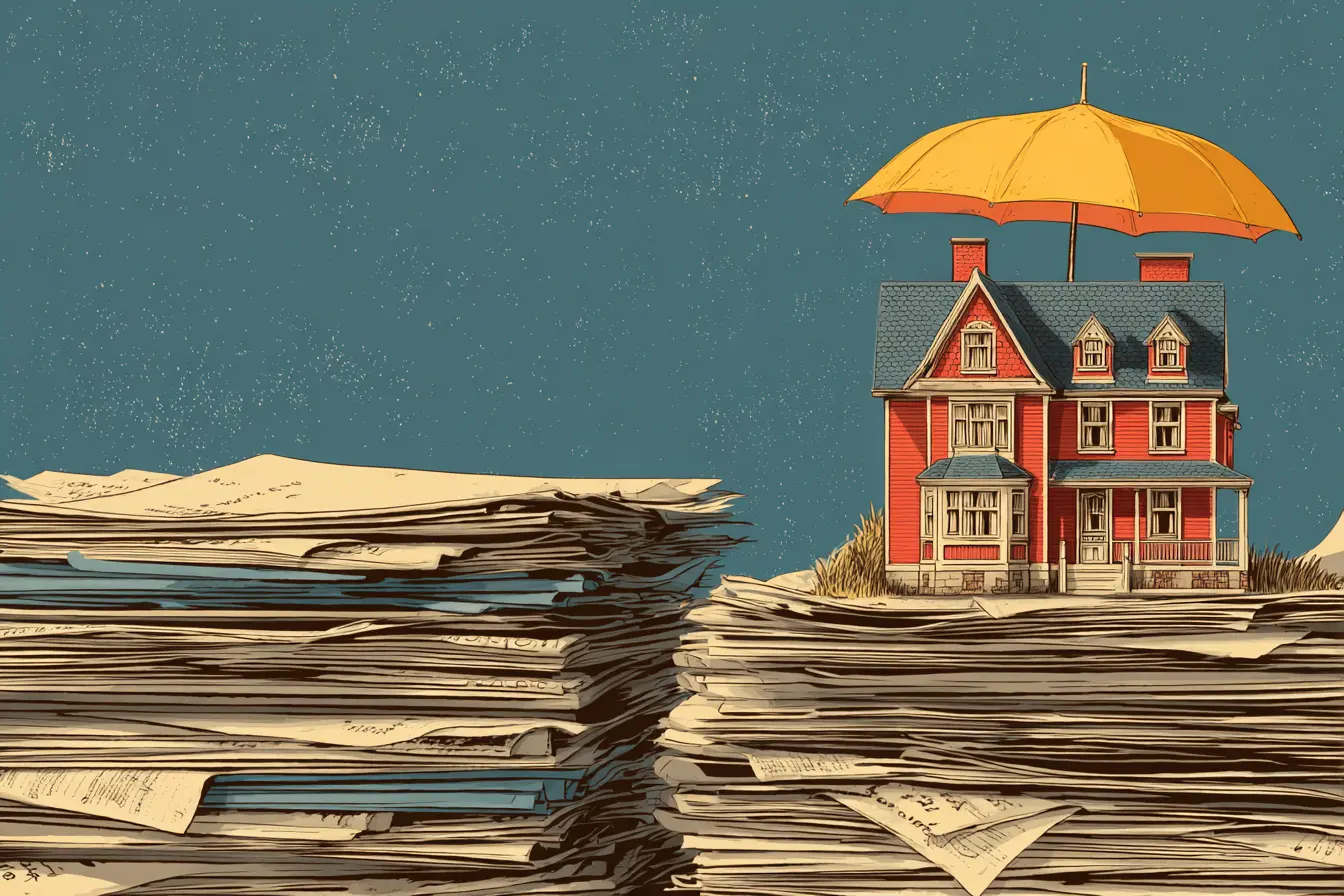
Most homeowners believe that having an insurance Policy means they are protected. It is a reasonable assumption. Policies are purchased in good faith, premiums are paid consistently, and coverage renews year after year with little interruption. From the outside, everything appears to be working exactly as intended. Yet underinsurance is not about whether insurance exists at all. It is about whether that insurance would actually carry you through recovery if something serious happened.
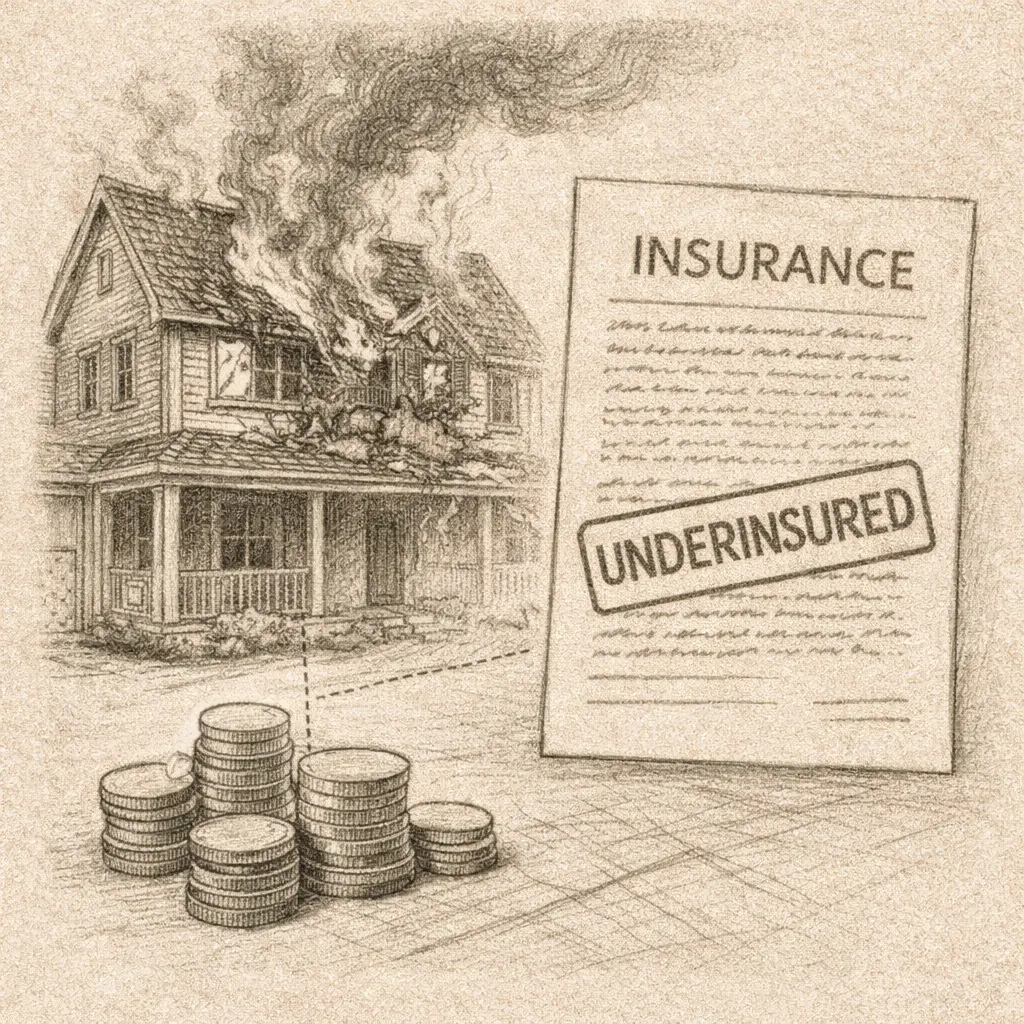
Being underinsured means that one or more parts of your policy would fall short of covering the real costs you would face after a loss. The policy may respond and payments may be issued, but at some point coverage stops before recovery is complete. That gap between what is covered and what recovery actually requires is what defines underinsurance, and most of the time it does not reveal itself right away.
.webp)
Underinsurance is usually partial, not total
When people hear the term underinsured, they often imagine having no coverage at all. In practice, that is rarely the situation. Most underinsured homeowners are covered for a meaningful portion of their loss. Rebuilding begins, belongings are replaced, and temporary housing is arranged. Early on, everything seems to be moving in the right direction. Over time, however, limits begin to matter.
A dwelling limit may cover much of the rebuild, but not rising labor and material costs. Living expense coverage may pay for temporary housing, but only for a defined period. Personal Property coverage may replace many items, but not at current prices or across entire categories. The result is not a denial of coverage, but a gradual realization that insurance is no longer keeping pace with real world costs.
Example
After a major fire, a homeowner receives initial payments quickly and reconstruction begins. Permitting delays and Contractor shortages extend the rebuild well beyond original estimates. Twelve months in, Additional Living Expense coverage runs out while the home is still under construction. The policy worked as written, but it did not last long enough to support the full recovery. That is underinsurance.
Why underinsurance is so common
Underinsurance is common because insurance policies are built on assumptions that age quietly. Homes change over time. Renovations add complexity and cost. Kitchens are upgraded, bathrooms are remodeled, and storage fills with belongings that were never part of the original Estimate. At the same time, construction costs rise, sometimes sharply, especially after regional disasters when labor and materials become scarce.
Meanwhile, insurance policies tend to renew automatically. Limits may increase slightly each year, but those increases are often tied to broad inflation measures rather than actual rebuild conditions in a specific location. Nothing feels urgent and no warning appears. Over time, the distance between coverage and reality grows wider without anyone intentionally steering it that way. The system simply drifts.
Example
A homeowner remodels their kitchen and two bathrooms over the course of several years, improving both functionality and quality. The upgrades meaningfully increase rebuild cost, but the dwelling limit is only adjusted marginally at renewal. Years later, the true cost to rebuild reflects those changes, while the policy still reflects an older version of the home. No poor decision was made. The coverage just did not keep up.
How underinsurance shows up during a Claim
One of the hardest aspects of underinsurance is when it becomes visible. Coverage gaps rarely appear at the beginning of a claim. Early estimates feel manageable, initial payments arrive, and plans are made. It is only later, as rebuilding progresses or replacement decisions accumulate, that limits turn into real constraints.
Required code upgrades, extended construction timelines, and rising rental costs during displacement all compound the issue. By the time the gap becomes clear, homeowners are often already dealing with disruption, stress, and uncertainty. Discovering that coverage is insufficient in the middle of recovery is far more difficult than identifying the risk beforehand.
Wrap-Up
Understanding what underinsured really means changes how you think about insurance. It shifts the question from simply having a policy to whether that policy would realistically support recovery from start to finish. It also helps you focus on the areas that tend to matter most when something goes wrong, without feeling like every detail must be addressed at once.
Insurance does not need to be perfect. But it should be something you can make sense of and revisit as your home and life change.
In the next article, we will explore why insurance feels so difficult to understand in the first place, and how that confusion plays a major role in how coverage gaps develop over time.
Additional Reading and Sources
For readers who want to explore this topic further, these third party resources provide helpful background on underinsurance and recovery costs:
• United Policyholders
https://uphelp.org/claim-guidance/underinsurance
• Openly - What Does Underinsured Mean?
https://openly.com/the-open-door/articles/what-does-underinsured-mean