Signs Your Living Expense Coverage May Be Too Low: How to recognize potential shortfalls before displacement becomes stressful

Most homeowners do not think much about living expense coverage until they need it.
Displacement is hypothetical until it happens. As long as daily life continues normally, it is easy to assume that ALE will take care of itself if something goes wrong. The purpose of this article is not to create concern, but to help you notice a few common indicators that coverage may be tighter than expected, while there is still room to think and plan calmly.
These signs are signals, not conclusions.
You have never considered how long rebuilding might actually take
One of the most common indicators is not having a realistic sense of timeline.
If your assumption is that repairs or rebuilding would take only a few months, ALE coverage may feel generous. In practice, rebuilding often takes much longer due to permitting, Contractor availability, inspections, and scope changes. Even well managed projects frequently extend beyond initial estimates.
If you have not considered what six, twelve, or eighteen months of displacement would look like, ALE limits may be based on optimistic assumptions.
Your Policy includes a time limit you were not aware of
Many homeowners are surprised to learn that their ALE coverage has a time cap.
If you are unsure whether your Policy Limits living expenses to a specific number of months, that uncertainty itself is informative. Time limits can end coverage even when dollar limits remain available, and they often appear in policy language rather than on the Declarations Page.
Knowing whether a time cap exists is just as important as knowing the dollar amount.
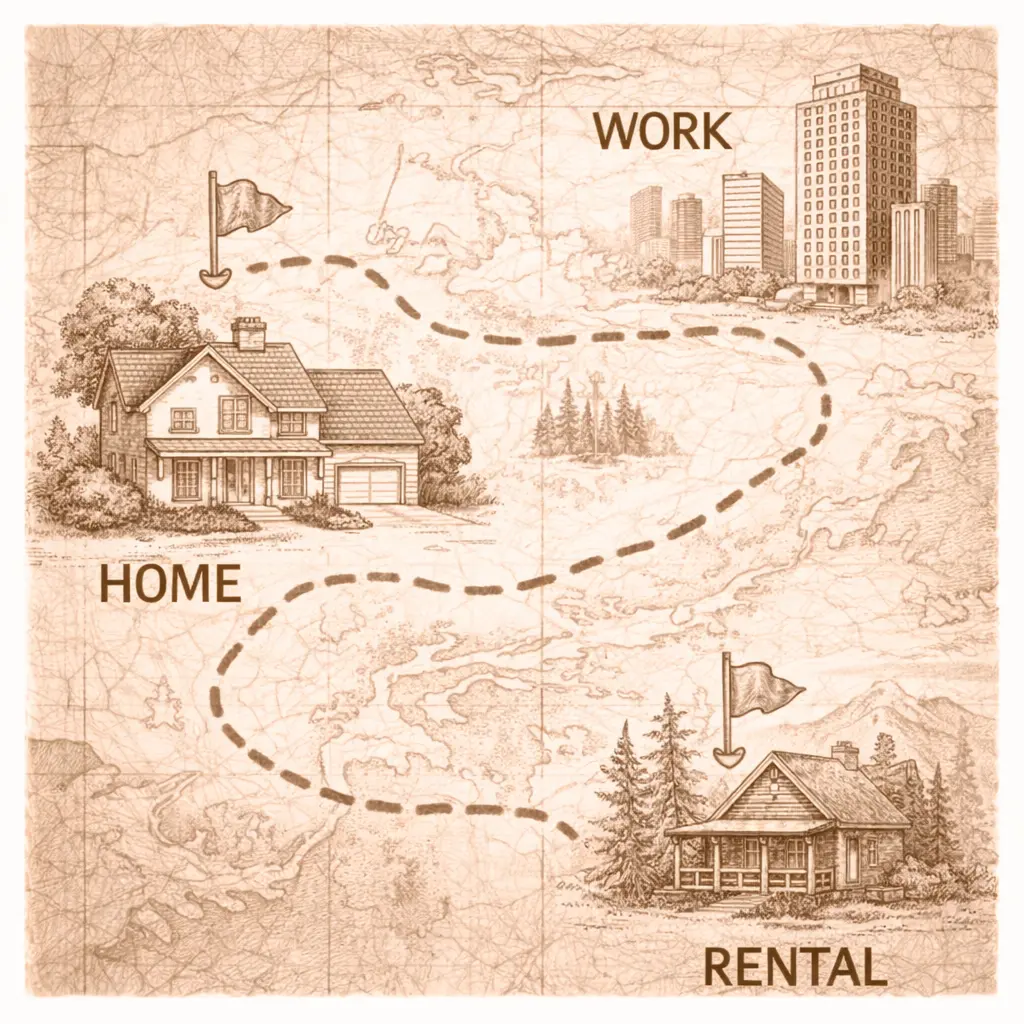
Temporary housing near your home would be expensive
Living expense coverage is heavily influenced by local housing markets.
If renting a comparable home near your current location would be costly, ALE may be consumed faster than expected. High cost areas, limited rental inventory, and competition after large events all drive prices upward.
If temporary housing options feel tight or expensive even during normal times, displacement would likely amplify that pressure.
Your household has constraints that limit flexibility
Families, pets, health needs, work requirements, and accessibility considerations all narrow housing options.
If your household cannot easily relocate or downsize temporarily, living expenses are likely to be higher and displacement may last longer. These constraints are not unusual, but they are rarely reflected in standard ALE assumptions.
Coverage that works for an average household may feel strained when flexibility is limited.
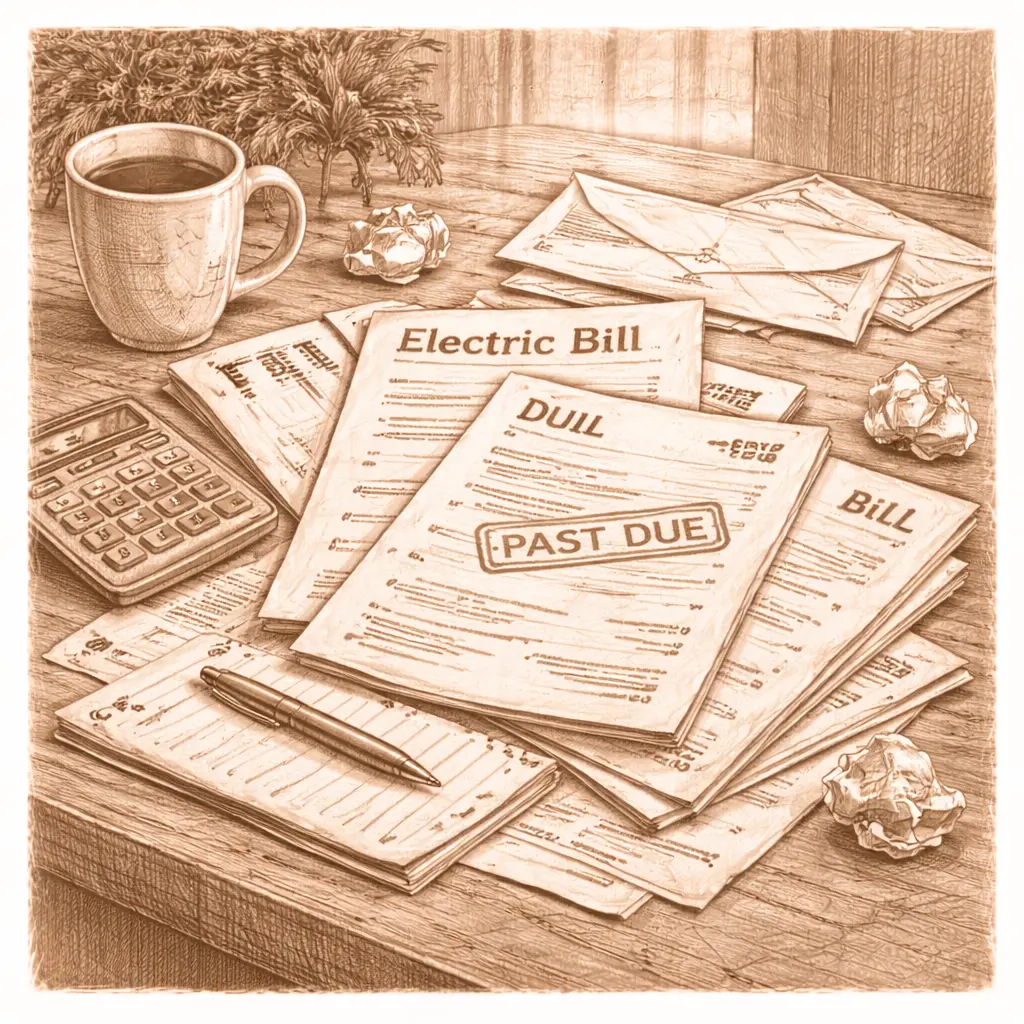
You would struggle to absorb living costs if coverage ended early
Another useful signal is considering the downside.
If ALE ended before you could move back home, would continuing to pay for temporary housing create significant financial stress. If the answer is yes, it may be worth understanding whether coverage realistically matches potential timelines.
This is not about expecting the worst. It is about understanding where pressure would appear if recovery took longer than planned.
You are unsure how ALE was calculated
As with other coverage areas, uncertainty matters.
If you do not know how your living expense coverage was determined or what assumptions it is based on, it is difficult to know whether it fits your situation. That does not mean it is insufficient. It means it has not been tested against your reality.
Knowing the basis for a number provides more insight than the number alone.
Wrap-Up
Living expense coverage rarely feels insufficient at the start of a claim. It usually becomes strained over time as displacement extends and costs compound.
Recognizing the signs that ALE may be tight gives you the opportunity to revisit assumptions while there is still flexibility. The goal is not to predict every outcome, but to understand whether coverage aligns with how displacement would likely unfold for your household.
With displacement explored in depth, the next chapter will turn to another area that is often overlooked until it matters: other structures, liability, and risks that tend to sit outside the main focus of a policy.
Additional Reading and Sources
For more guidance on evaluating living expense coverage, these resources provide helpful background:
• United Policyholders on ALE coverage and limits
https://uphelp.org/claim-guidance/additional-living-expense
• National Association of Insurance Commissioners
https://content.naic.org/article/what-are-additional-living-expenses-and-how-can-insurance-help