What Other Structures Coverage Is Designed to Do: Understanding how detached buildings are insured and where gaps often appear
.webp)
When homeowners think about insuring their property, their focus naturally lands on the main house.
That makes sense. The home is where most value sits and where loss feels most personal. But many properties include more than just one structure, and those additional buildings are insured differently, often with far less attention paid to whether coverage still fits reality.
Other structures coverage exists to protect those detached buildings. Understanding how it works helps explain why gaps in this area are so common.
What qualifies as an other structure
Other structures coverage generally applies to buildings on your property that are not physically attached to the main home.
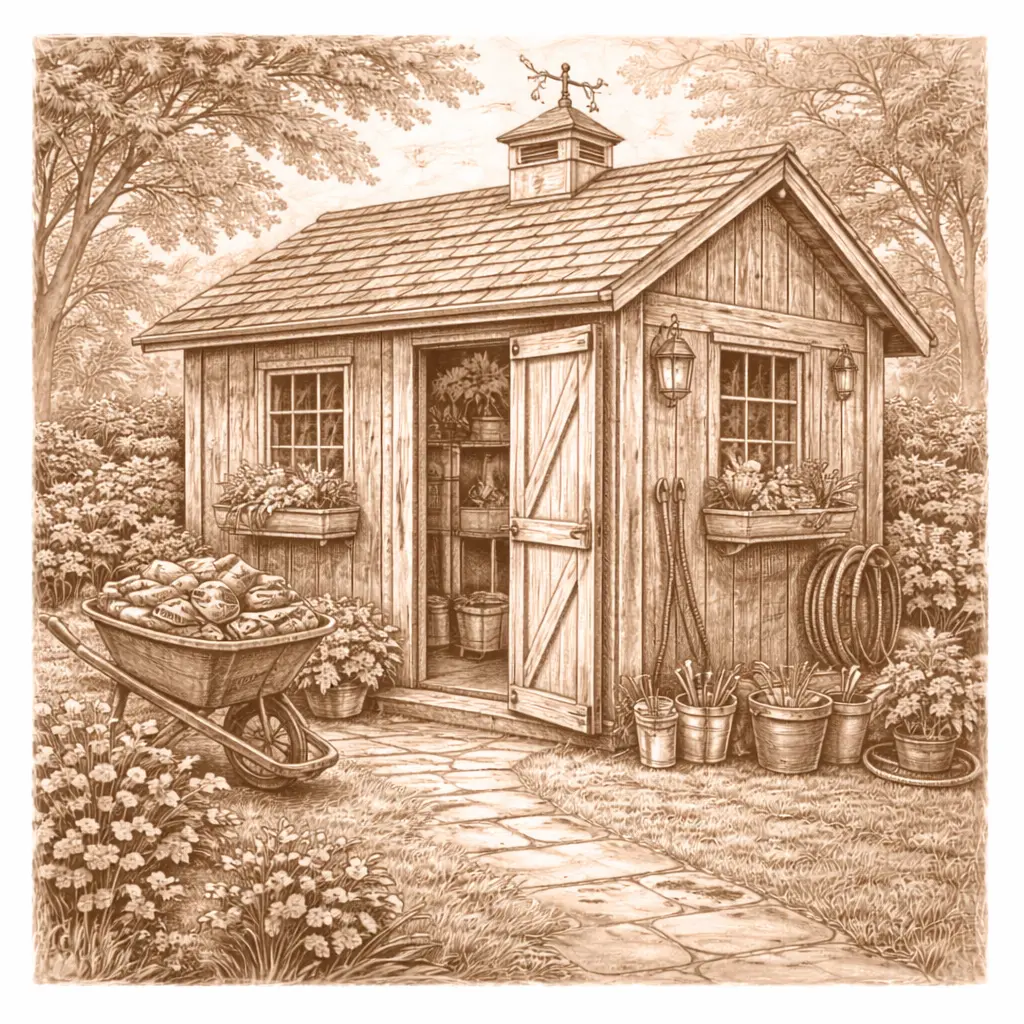
This can include detached garages, sheds, workshops, studios, pool houses, fences, retaining walls, and in some cases accessory dwelling units or guest houses. Even structures that feel modest or utilitarian can represent meaningful rebuild cost when taken together.
Because these structures are separate from the main home, they are insured under their own coverage bucket rather than as part of dwelling coverage.
How other structures coverage is typically set
In many policies, other structures coverage is set automatically as a percentage of the dwelling limit.
This default approach is convenient, but it assumes that detached structures are relatively minor and that their value scales proportionally with the main house. For some properties, that assumption holds. For many others, it does not.
Over time, sheds are upgraded, garages are expanded, studios are added, and fences are rebuilt. These changes increase rebuild cost, but coverage limits often remain tied to the original percentage.
Why detached structures are easy to overlook
Detached structures tend to live on the edges of attention.
They are often built or improved incrementally. They may be used for storage, hobbies, work, or guests rather than daily living. Because they are not part of the main living space, they are easy to forget when reviewing insurance.
Yet when a loss affects the entire property, these structures must be rebuilt just like the main home. Their costs surface suddenly and collectively.
What other structures coverage actually pays for
Other structures coverage is designed to pay for repairing or rebuilding detached buildings after a covered loss.
It generally applies to the structure itself, including materials and labor. As with dwelling coverage, it is based on comparable reconstruction rather than market value. It does not automatically cover contents inside those structures, which fall under Personal Property coverage and may have their own limitations.
Understanding this separation is important, especially for garages, workshops, or studios that house valuable equipment or tools.
.webp)
Why rebuild cost can surprise homeowners
Detached structures are often built with fewer standardized assumptions than main homes.
Workshops may include specialized wiring. Studios may have upgraded finishes. Fences and retaining walls can involve significant labor and permitting. Accessory units may include Plumbing, electrical, and interior finishes similar to a small home.
Because these features are rarely reflected in default coverage percentages, rebuild costs can exceed limits more quickly than expected.
Example
A homeowner has a detached garage that also functions as a workshop, with upgraded electrical, Insulation, and built in storage. After a fire, rebuilding costs far exceed the default other structures limit, even though the main home coverage is sufficient.
How other structures interact with the rest of the Policy
Other structures coverage operates independently from dwelling coverage.
Money allocated to rebuilding the main home cannot be redirected to rebuild detached structures if the other structures limit is exhausted. This separation means that underinsurance in this area does not show up as a shortfall in dwelling coverage, but as a distinct gap.
Recognizing this separation helps explain why some claims feel partially covered yet incomplete.
Wrap-Up
Other structures coverage is designed to protect the detached buildings that support how you actually use your property, but it is often set using assumptions that do not reflect how those structures evolve over time.
Understanding what qualifies as an other structure, how limits are determined, and what rebuilding actually involves provides a foundation for evaluating whether coverage still fits your property today.
In the next article, we will explore why detached structures are so commonly underinsured and how default limits quietly fall behind real rebuild needs.