What Homeowners Need to Know About the California FAIR Plan and Smoke Damage Claims After the LA Wildfires
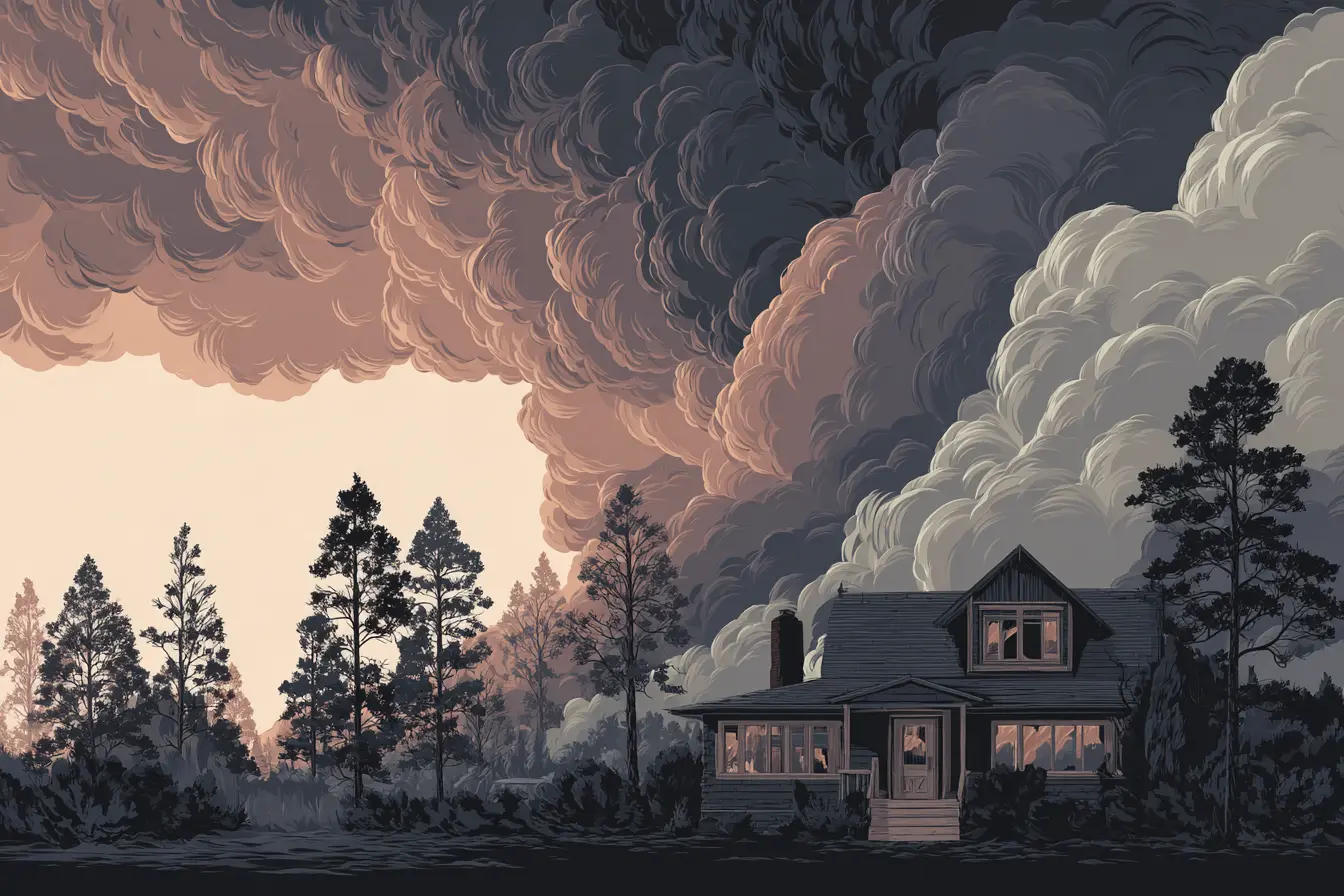
Wildfire survivors across California—particularly those impacted by the massive January 2025 Los Angeles wildfires—are learning firsthand just how confusing, limited, and difficult coverage under the California FAIR Plan can be. While the FAIR Plan was designed to serve as an insurer of last resort, it has become the Primary Insurance option for tens of thousands of homeowners as private insurers pull out of wildfire-prone areas.
Unfortunately, many FAIR Plan policyholders have discovered that the coverage they thought they had for smoke damage and indirect fire losses is being heavily restricted, denied outright, or subjected to unfair interpretation. A recent court ruling in Aliff v. California FAIR Plan Association struck down some of these limitations—and the legal battle has major implications for those still fighting for fair treatment today.
What Is the California FAIR Plan?
The California FAIR Plan Association (CFP) is a state-established insurance pool made up of private insurers. It exists to provide basic fire insurance coverage to homeowners and businesses who can’t secure coverage in the traditional market due to wildfire risk or other factors.
FAIR Plan policies are limited in scope, usually covering only fire, lightning, smoke, and internal explosion unless enhanced by endorsements.
Coverage caps are generally around $3 million for residential properties, which may not be sufficient for homes in high-value areas like Malibu or Pacific Palisades.
As private insurers exit fire-prone regions, enrollment in the FAIR Plan has surged—especially in areas affected by the 2025 fires.
The Ruling: Aliff v. California FAIR Plan Association
In June 2025, a California Superior Court ruled that the FAIR Plan's narrow definitions of smoke damage and direct physical loss were unlawful and violated California’s insurance code.
The decision centered on key provisions in the plan’s Policy that:
Required smoke damage to be “permanent” to qualify for coverage.
Limited claims to damage that could be seen or smelled by the “unaided human eye” or “average human nose.”
Excluded lab testing or expert evidence in evaluating smoke damage.
Why That Matters
California Insurance Code §§ 2070 and 2071 establish a standard fire insurance policy that insurers must follow or improve upon.
The FAIR Plan was found to offer less favorable coverage than this standard by requiring permanent, visible, or odor-detectable damage.
The court confirmed that “direct physical loss” does not require permanence, and that microscopic or persistent contamination—even if invisible—may be covered if it impairs property or requires Remediation.
The court also found that the FAIR Plan’s internal smoke claim dispute process was invalid to the extent that it relied on the unlawful definitions of loss and damage.
📄 Full Ruling Summary – Hunton Andrews Kurth
FAIR Plan’s Ongoing Denials Despite the Ruling
Even after the ruling, and despite regulatory pressure from the California Department of Insurance, the FAIR Plan has continued to deny smoke claims, citing revised language that still restricts coverage.
New denial letters now require “distinct, demonstrable, and physical alteration,” a change that critics say still ignores the court’s findings.
In many cases, FAIR Plan claims are being denied even when professional testing identifies carcinogenic particulates or contamination that requires remediation.
The California Department of Insurance issued a cease-and-desist warning, and Governor Newsom urged FAIR to process smoke claims fairly—but denials continue.
How This Affects Homeowners Impacted by the LA Wildfires
The January 2025 Los Angeles wildfires caused an estimated $4 billion in damage, including thousands of smoke-damaged homes that didn’t burn. These policyholders have faced:
Delayed or denied claims for HVAC contamination, Drywall and Insulation damage, and hazardous particulates in homes.
High out-of-pocket remediation costs while fighting their insurers.
Confusion over whether damage “qualifies” under a constantly shifting standard.
This is especially painful for FAIR Plan policyholders, who often had no other insurance options due to wildfire risk and who may now be burdened with massive recovery costs for damage their policy should cover.
Financial Pressures and Why FAIR Is Fighting Back
The FAIR Plan is under immense financial strain:
More than 5,000 claims were filed after the LA fires, and the FAIR Plan has already paid over $1.2 billion.
It issued a $1 billion assessment to its member insurers, who can pass costs onto consumers.
A new law, AB 226, was passed to give the FAIR Plan additional tools to borrow, access state-backed loans, and issue bonds to avoid collapse.
Given these pressures, there is increasing concern that the FAIR Plan is prioritizing financial survival over fair claim resolution.
What This Means for Your Claim
If you are insured by the FAIR Plan and experienced smoke damage, here’s what you should know:
You do not need to prove permanent damage or that the damage is visible or smellable. That standard has been invalidated by the court.
Laboratory testing for smoke particulates and toxins is now an acceptable method of proving loss.
You can challenge unfair denials and request a full reconsideration of your claim.
If needed, you can invoke the standard appraisal process provided in the policy—one that follows state law, not restrictive FAIR Plan provisions, though to be clear that will only cover valuation issues, not whether or not coverage is applied.
We’re Helping Clients Right Now
At Loti, we’re already helping clients impacted by these unfair denials—including families in Pacific Palisades, Altadena, and Pasadena—who have valid smoke claims that are being delayed, underpaid, or denied by the FAIR Plan.
Our licensed public adjusters and experts understand the latest rulings, how to leverage laboratory testing, and how to escalate disputes using proper legal channels.
We’ve read the ruling. We’ve seen the denials. We know how to fight back.