Financial Considerations of Selling vs. Rebuilding After a Disaster
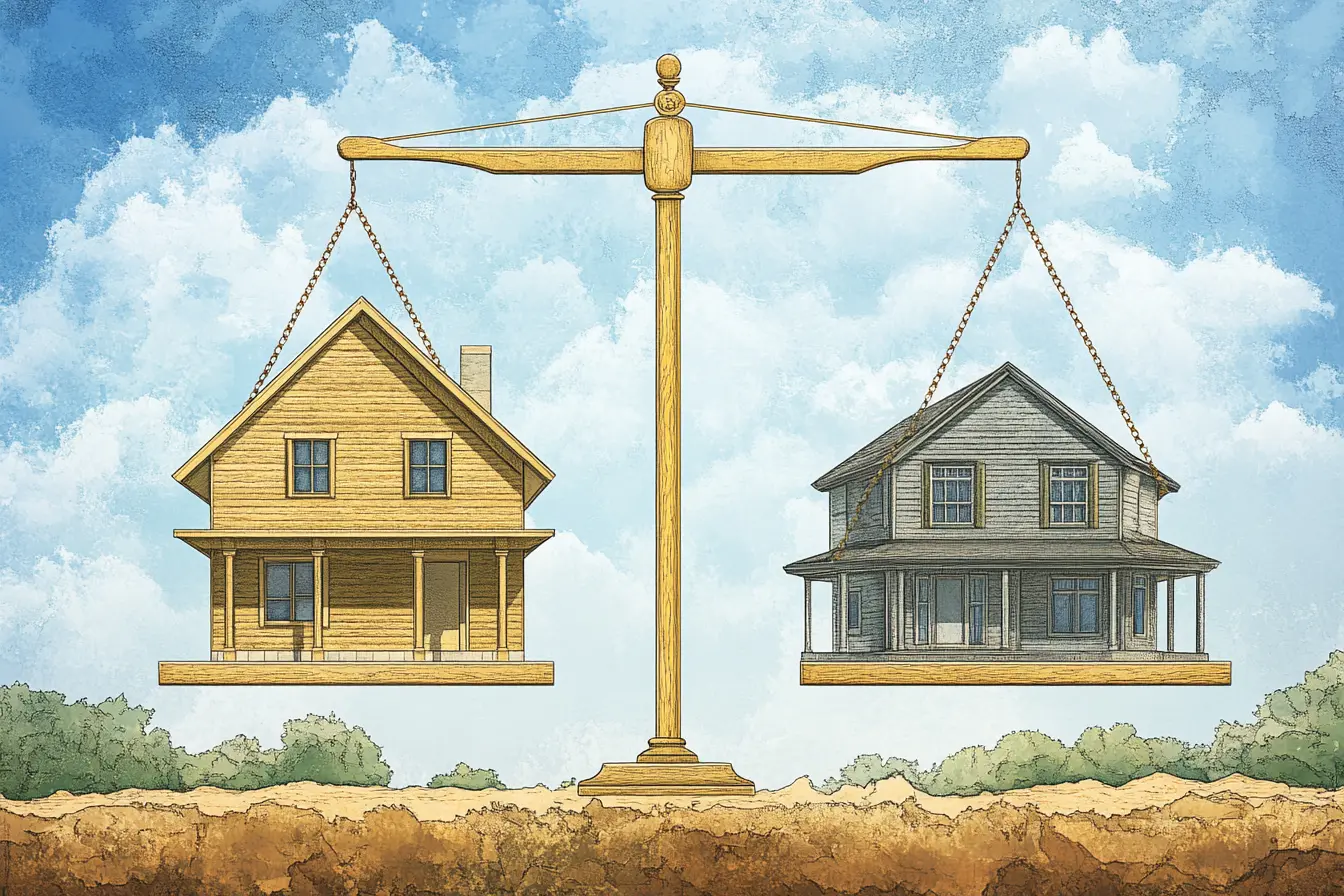
After a disaster, homeowners must decide whether to sell their damaged property or rebuild. This decision involves financial, emotional, and logistical factors, including insurance payouts, rebuilding costs, real estate market conditions, and long-term financial stability. Understanding these key financial considerations can help homeowners make the best choice for their situation.
These Rallybacks collectively cover the details of how to sell and this article attempts to tie together many of the topics we explore throughout the rest of our library.

1. Assessing Your Insurance Payout
One of the first financial considerations is understanding how much insurance money you will receive and whether it covers the full cost of rebuilding. We have an entire Rallyback book on insurance which would be an excellent place to research the next few bullet points.
Key Factors in Your Insurance Settlement
Replacement Cost vs. Actual Cash Value (ACV) – If you have replacement cost coverage, your insurer should cover the cost to rebuild. If you only have ACV coverage, the payout reflects the depreciated value of your home.
Extended Replacement Cost – Some policies provide an extra 20-50% coverage beyond the stated Policy limit if rebuilding costs exceed expectations. This Endorsement may be crucial to understanding your ability to purchase a new property and the ability to access these funds for a purchase may be dependent on what state you live in.
Loss of Use – Covers temporary housing, food, and other expenses while your home is being rebuilt. We have an entire chapter covering this part of your policy.
In short, insurance payouts may or may not fully cover rebuilding costs, and in either case selling the lot and buying a new home may be a better financial option. We have provided dozens of articles covering insurance for both rebuilding and replacing your home to help victims get informed, but we highly recommend talking to a Loti Public Adjuster to help walk through this evaluation. Every situation is completely different and there are a number of nuances to consider.
More info: Understanding Insurance Payouts - National Association of Insurance Commissioners
2. The Costs of Rebuilding
We go into the details of rebuilding heavily throughout the rest of our library so we won’t dwell too much here, but it should be noted that rebuilding after a disaster can be more expensive and time-consuming than expected due to labor shortages, increased material costs, and new building codes. Check out our chapter about Demand Surge for more information.
Rebuilding Cost Considerations
Expense | Estimated Cost Impact |
|---|---|
Construction Costs | Post-disaster demand increases labor and material costs. |
Building Code Upgrades | Local governments may require additional safety features. |
Permits & Inspections | Costs can vary based on location and zoning laws. |
Delays in Construction | Labor shortages can extend the timeline, increasing temporary housing costs. |
Homeowners should compare their insurance payout with actual rebuilding costs before deciding.
More info: Rebuilding Costs After a Disaster - National Association of Home Builders
3. The Financial Benefits of Selling a Disaster-Damaged Property
Selling the property instead of rebuilding allows homeowners to avoid reconstruction hassles and move forward faster. This option may be financially beneficial depending on market conditions.
Why Selling May Be the Better Option
Avoid Unexpected Construction Costs – Rebuilding costs often exceed initial estimates - again, check out our Rallybacks covering demand surge.
Faster Recovery – Perhaps most importantly, selling allows homeowners to buy a move-in-ready home instead of waiting months or years for construction. The emotional considerations are substantial, and quite frankly are entirely situation dependent.
Long-Term Debt Considerations – If rebuilding costs exceed insurance payouts, homeowners may need to take out loans. There are also Mortgage considerations on both an existing property and new one.
More info: How to Sell a Damaged Property - Urban Land Institute

4. Real Estate Market Conditions
The local real estate market plays a major role in the financial outcome of selling vs. rebuilding. This is impossible to predict in a series of articles like these, but consulting with a real estate agent is paramount as part of this evaluation (see the associated chapter within this book).
Key Market Factors to Consider
Factor | Impact on Decision |
Home Values Post-Disaster | If demand is high, selling could be profitable. |
Availability of Replacement Homes | A shortage of homes may make buying difficult. |
Developer Interest | If multiple homeowners sell together, land values may increase. |
Future Appreciation | Holding onto the land may be beneficial if values are expected to rise. |
More info: Understanding Post-Disaster Home Prices - National Association of Realtors
5. Tax Implications of Selling vs. Rebuilding
We will dive deeper into this - and this is an area where a CPA will really help - but the financial impact of selling or rebuilding also includes potential tax liabilities or benefits.
Tax Considerations
Capital Gains Tax – If the land sells for more than its original purchase price, homeowners may owe Capital Gains tax unless they reinvest using a 1033 exchange (for rental properties).
Tax Deductions for Disaster Losses – Homeowners who rebuild may be eligible for disaster-related tax relief and deductions.
Property Tax Reassessment – Selling resets property tax values, while rebuilding may allow homeowners to retain existing tax rates.
More info: IRS Disaster Tax Relief Guide
6. Financing Options for Rebuilding
There are a number of Rallybacks covering these topics, but it’s worth summarizing here in this context. In short, we highly recommend consulting with a CPA but for homeowners who wish to rebuild but face funding gaps, several financing options may be available.
Alternative Financing Options
SBA Disaster Loans – Low-interest loans for homeowners to rebuild after federally declared disasters.
Construction Loans – Short-term financing to cover rebuilding costs before securing a permanent mortgage.
FEMA Grants – Limited funds available for repairs in extreme cases.
More info: Financing Disaster Recovery - U.S. Small Business Administration
7. Bank Relationships and Mortgage Impacts
Selling or rebuilding a home after a disaster impacts existing mortgage obligations and potential new loan approvals. The next couple articles will unpack this further, but a summary of the upcoming considerations is here.
Ensuring Your Previous Mortgage Is Paid Off
Before taking out a mortgage on a new home, homeowners generally must ensure their original mortgage is fully paid. Insurance payouts are typically first used to pay off the remaining balance on a destroyed home before any excess funds are released.
Key Mortgage Considerations
Factor | Impact on Homeowner |
Outstanding Mortgage Balance | The insurance settlement will first go toward paying off the remaining loan. |
New Mortgage Approval | Homeowners must still qualify for a new mortgage, factoring in their credit and income. |
Buying vs. Rebuilding | If rebuilding, mortgage lenders may require proof of insurance payout and construction contracts. |
Loan Type Considerations | Some lenders offer special disaster recovery mortgage programs. |
More info: Understanding Mortgage and Insurance Settlements - Consumer Financial Protection Bureau
8. Working With a Real Estate Agent or Developer
We have an entire chapter dedicated to the transactions themselves, but one area to highlight is working with a developer. In short, selling a disaster-damaged lot may be easier and more profitable if multiple homeowners sell together. Developers and builders prefer purchasing multiple adjacent lots for larger-scale projects, often paying a premium.
Benefits of Selling Together as a Community
Increases Buyer Interest – Developers prefer grouped lots for efficiency.
Higher Sale Prices – Bulk land sales can command a premium.
Faster Transactions – Developers can expedite zoning approvals for larger projects.
Community Redevelopment Control – Sellers may negotiate terms that shape the new neighborhood.
More info: Guide to Selling Land to Developers - Land.com
Wrap Up
Deciding whether to sell or rebuild after a disaster requires careful financial analysis. Insurance payouts, rebuilding costs, real estate market conditions, and tax implications all play a role in determining the best path forward.
Key Takeaways
Insurance payouts may not fully cover rebuilding costs, making selling a more viable option.
Rebuilding costs fluctuate, with potential delays and unforeseen expenses.
Selling a damaged lot may be more profitable if demand from developers or investors is high.
Mortgage obligations must be settled before securing financing for a replacement home.
Community-led land sales may offer better financial returns than selling individually.
Homeowners should consult financial advisors, real estate agents, and insurance professionals before making a final decision to ensure they maximize their financial recovery after a disaster. Loti can help, though we are only part of your team / solution.